


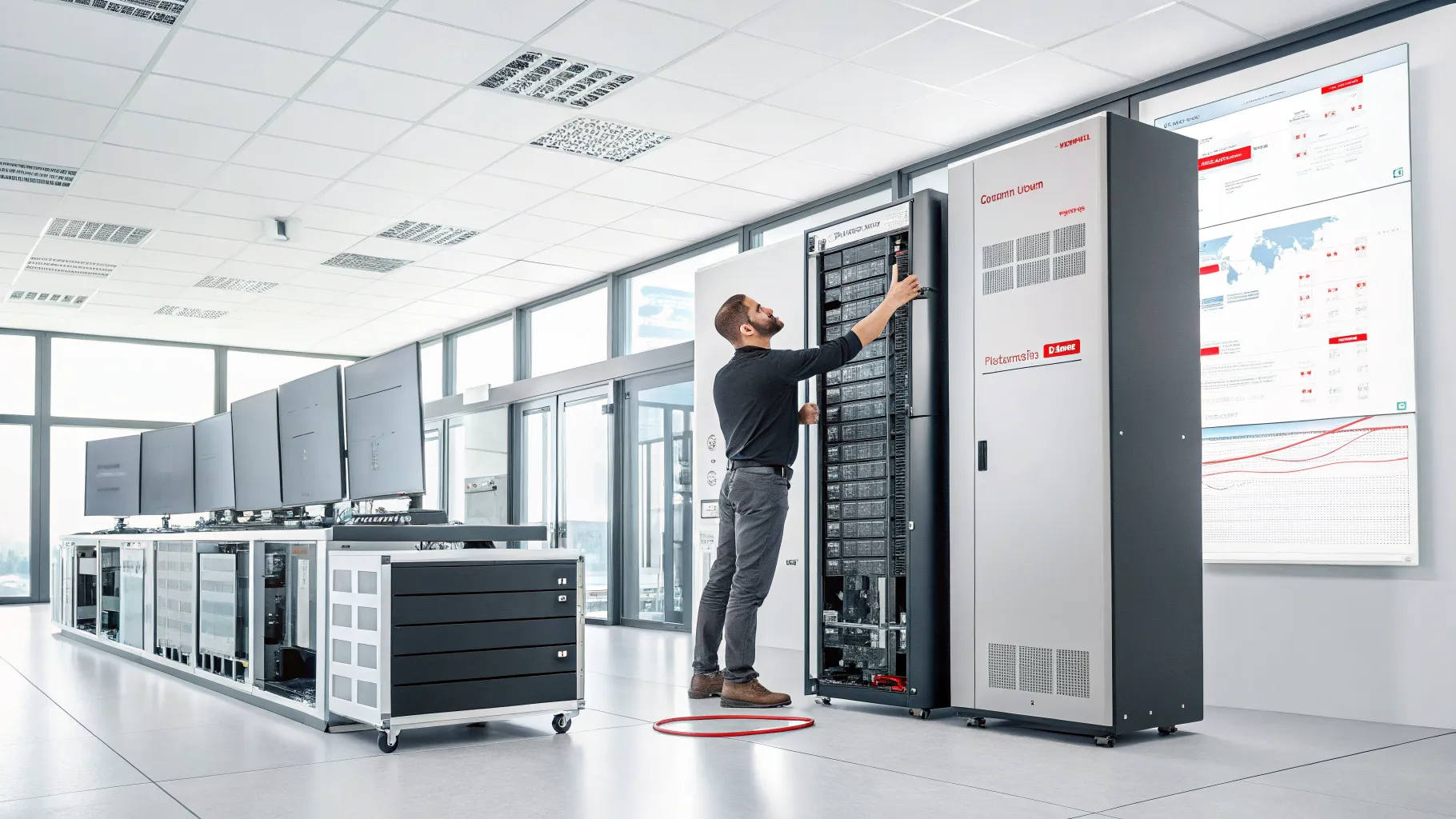
DoorDash is pouring money into a new technology platform after a series of acquisitions, signaling a push to unify its services and sharpen its growth strategy. The shift comes as the delivery giant works to connect different systems and expand into new categories across markets where it operates.
The company did not disclose a timeline or detailed budget, but the effort suggests a broad overhaul of engineering, product, and data infrastructure. The move follows deals in recent years that expanded DoorDash’s reach into international markets and in-store ordering tools. The company appears focused on long-term scale even as investors track costs and margins.
Why a New Platform Now
Large acquisitions often leave a company with many overlapping systems. Building a single platform can reduce costs, speed up new features, and simplify operations for merchants, consumers, and couriers. DoorDash is likely aiming to consolidate logistics engines, order management, and payments. It may also seek a consistent set of tools for ads, loyalty, and in-store dining.
“DoorDash is in the middle of a massive spending initiative as it builds out a new tech platform following a string of acquisitions.”
Industry analysts say these rebuilds are expensive up front but can add scale benefits later. A unified stack can make delivery routing faster, support multiple categories like grocery and retail, and create shared data models to improve personalization and fraud prevention.
What the Rebuild Could Include
The company’s effort is likely to touch core logistics and partner software. Integrating acquired products into a single codebase reduces duplicate work and cuts maintenance. It can also make new launches easier across regions.
- Shared identity and payments across apps and markets
- One routing engine for food, grocery, and retail orders
- Standard merchant tools for menus, pricing, and promotions
- Unified ads and analytics to grow high-margin revenue
DoorDash has expanded beyond restaurants into convenience and grocery. A modern platform can support flexible delivery speeds, including scheduled windows and batch orders, which matter for non-restaurant categories.
Integration Hurdles and Trade-Offs
Building a new platform while running a large network is risky. Any outages can hit order volumes and trust. The company must move data and users with care, keep service levels steady, and manage cloud costs as it migrates systems. Hiring and retaining engineers during a major rebuild adds pressure to budgets.
There is also a balance between speed and control. Merging tools can slow near-term feature work as teams refactor code and test integrations. Yet delaying a rebuild can lead to higher long-term costs and slower international expansion.
Competitive Stakes
DoorDash faces intense pressure from Uber Eats, Instacart, and local delivery rivals. A stronger platform could help it cut delivery times, improve on-time rates, and scale advertising. Ads and merchant software often carry higher margins than delivery fees, and a unified data layer can make those products more effective.
If the rebuild succeeds, DoorDash could offer more predictable earnings through higher-margin products and better cost control. If delays mount, competitors could gain share with faster product releases and promotions.
Impact on Merchants, Couriers, and Consumers
Restaurants and retailers could see simpler onboarding, consistent dashboards, and better insights. A single toolkit can reduce errors in menus, inventory, and pricing. Couriers may benefit from smarter dispatch systems that cut idle time and improve route density. Consumers could see steadier delivery estimates, clearer fees, and better search.
However, change can be bumpy. Partners may need to adjust to new interfaces or contract terms. The company must offer training and support to keep service levels steady.
Financial Outlook and What to Watch
Spending will likely rise before savings appear. Investors will look for signs that costs start to flatten as systems consolidate. Key markers include fewer duplicate tools, faster rollouts across markets, and growth in non-delivery revenue such as ads and merchant services.
Watch for pilot launches on the new stack, reported improvements in delivery times, and updates on engineering hiring. Clear progress on international feature parity would suggest the rebuild is paying off.
DoorDash is making a high-stakes bet that a single platform will support its next phase of growth. The plan carries short-term pain in exchange for scale and product reach. The coming quarters will show whether the investment delivers faster execution, steadier margins, and an edge in a crowded delivery market.

Rashan is a seasoned technology journalist and visionary leader serving as the Editor-in-Chief of DevX.com, a leading online publication focused on software development, programming languages, and emerging technologies. With his deep expertise in the tech industry and her passion for empowering developers, Rashan has transformed DevX.com into a vibrant hub of knowledge and innovation. Reach out to Rashan at [email protected]