Apple’s next chapter hinges on how fast it can turn artificial intelligence into everyday products that feel private, useful, and easy. As pressure builds, one line captures the stakes:
“Tim Cook was a great CEO, but he didn’t crack AI. It’s job number 1 for John Ternus.”
The remark reflects a wider view in tech and on Wall Street. Apple is praised for design and discipline, yet seen as slower than rivals in generative AI. While Tim Cook has championed privacy and steady execution, attention is shifting to leaders charged with delivering AI across devices, including John Ternus, who oversees hardware engineering.
A Legacy Of Discipline, A New Mandate
Tim Cook guided Apple through a decade of expansion after Steve Jobs. He scaled the iPhone, built a vast services business, and launched Apple Silicon. Apple is now defined by custom chips and tight integration of hardware and software.
AI changes the playbook. Users want smarter assistants, better photos, and context-aware features. Rivals moved early with large language models. Apple took a measured path, citing privacy and on-device computing.
Under this approach, Apple introduced Apple Intelligence in 2024, blending on-device models with cloud processing that keeps data encrypted and temporary. The company says many tasks run on its chips. More complex work can use a private cloud under strict controls.
Hardware Meets AI Software
John Ternus leads hardware engineering. His team shapes the chips, sensors, and power systems that make AI features fast and efficient. Apple’s strategy leans on this stack.
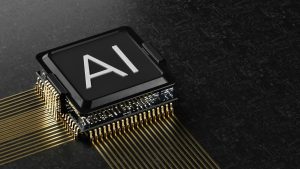
Apple Silicon has neural engines built for machine learning. Newer iPhone and Mac chips promise higher throughput at lower power. That matters for features like live transcription, image generation, and smarter photo editing without draining battery life.
Software leadership is also key. John Giannandrea oversees machine learning and AI. His group designs models and tools that can run on-device or in the cloud. The challenge is to align silicon roadmaps with model needs, so users feel gains each year.
- On-device AI protects privacy and can reduce latency.
- Cloud AI handles bigger tasks, if security promises hold up.
- Success depends on how well both sides work together.
Investor Pressure And Market Context
Investors want clear signals that AI will lift growth. They watch for features that drive upgrades and new services. They also track how Apple can tie AI into health, photos, messages, and the App Store without risking user trust.
Competitors have set a fast pace. Microsoft backed OpenAI. Google shipped AI search and device features. Samsung pushed on-device AI across its premium phones. Apple’s edge is its installed base and control of chips, devices, and software.
The company argues that useful, safe features will matter more than early demos. If AI makes Siri better, spotlight smarter, and writing tools more helpful, users may upgrade.
What Success Could Look Like
Users care about results. They want voice assistants that understand context. They want photo tools that fix problems in seconds. They want privacy by default.
For Apple, three signs would show progress:
- Annual chip gains that clearly speed up AI tasks.
- Visible improvements to core apps that people use daily.
- Developer tools that let third parties tap on-device models easily.
That work sits at the junction of hardware and software. It places added focus on leaders like Ternus and Giannandrea to move in lockstep. It also tests whether Apple can keep privacy promises while offering modern AI.
The quote about Cook and Ternus captures a shift in expectations. Cook’s tenure delivered scale and stability. The next phase will be judged on how well Apple turns AI into trusted, everyday utility.
The near-term markers are clear. Watch the next iPhone and Mac chips. Watch Siri’s upgrades and any new writing and image tools. Watch how Apple explains privacy for cloud-based features. If these pieces click, Apple can meet the moment on its own terms.

Senior Software Engineer with a passion for building practical, user-centric applications. He specializes in full-stack development with a strong focus on crafting elegant, performant interfaces and scalable backend solutions. With experience leading teams and delivering robust, end-to-end products, he thrives on solving complex problems through clean and efficient code.