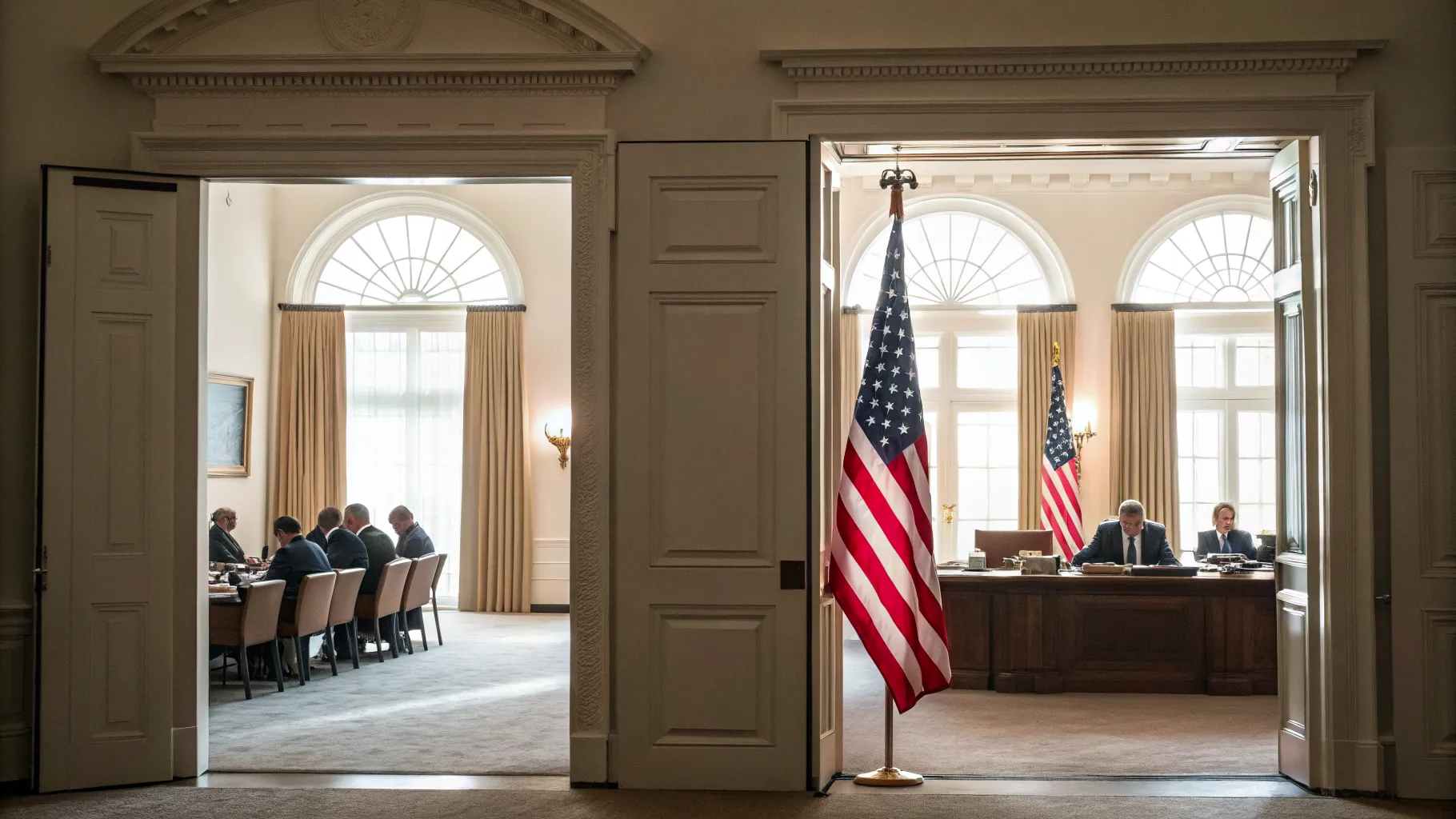
The United States signaled fresh momentum in negotiations with Iran, with the secretary of state saying a deal could materialize “today” and Donald Trump describing the talks as “proceeding constructively,” even as he faced criticism from within his own party. The comments suggest an urgent effort to close an agreement that could reshape regional dynamics and domestic politics in the short term.
At issue is whether Washington and Tehran can agree on steps that address nuclear concerns, de-escalate tensions, and provide limited relief on sanctions. The remarks arrived as pressure mounted in Washington, where Republican leaders and hawkish voices questioned concessions and the scope of any accord.
Signals of a Breakthrough
Officials struck an optimistic tone. In public remarks, the secretary of state said that a deal could be finalized very soon.
Trump echoed the positive outlook, describing the talks as moving in the right direction.
Talks with Iran are “proceeding constructively.”
Taken together, the statements suggest negotiators are narrowing gaps on key points. These could include limits on nuclear activities, verification steps, and phased steps on sanctions. Officials, however, have not disclosed firm timelines or detailed terms.
Background: Years of Stops and Starts
US-Iran talks have cycled through breakthrough and breakdown for more than a decade. The 2015 nuclear deal, known as the JCPOA, curbed Iran’s nuclear program in exchange for sanctions relief. The United States later exited the accord in 2018 and reimposed sweeping sanctions. Iran expanded nuclear activities in response, while diplomacy ebbed and flowed through indirect talks and occasional prisoner swaps.
Any new deal would face a different regional setting. Proxy tensions have flared at sea and on land, and oil markets often react to signals from Tehran and Washington. Skeptics argue that temporary steps can fade fast if enforcement is weak. Supporters counter that diplomacy is the best route to reduce risks of miscalculation and conflict.
Political Headwinds in Washington
Trump’s cautious optimism comes with headwinds at home. He faces criticism from within his own party over the direction and scope of the talks. Many Republican lawmakers have pressed for tougher conditions, stricter inspection rights, and guarantees that Iran’s regional activities are addressed.
Supporters of engagement argue that a limited agreement can serve as a bridge, freezing riskier activities while longer-term terms are negotiated. Critics warn that partial relief could strengthen Tehran without securing lasting limits.
- Backers emphasize immediate risk reduction and verification.
- Opponents push for broader terms and stronger enforcement.
What a Deal Might Cover
While officials have not released specifics, experts point to familiar building blocks. These often include caps on enrichment levels, limits on centrifuges, and access for international inspectors. In return, Washington could sequence measures on oil sales or financial transactions, tied to verified steps by Tehran.
Such arrangements require precise timelines and snap-back mechanisms. Without them, compliance can erode. With them, both sides gain pathways to de-escalate while retaining leverage if the other side backtracks.
Regional and Global Stakes
Movement in the talks could ease immediate regional tensions and reduce the risk of escalation. It could also impact energy markets, as sanctions policy influences Iran’s crude exports. European partners, who have long favored diplomatic solutions, are likely to welcome progress that restores monitoring and reduces nuclear risk.
Israel and Gulf states will watch closely. Some have warned that partial deals leave gaps on missiles and regional activities. Others see value in verified limits that buy time for wider security talks.
What to Watch Next
Key signals in the coming days will include whether negotiators announce agreed text, a sequencing timeline, and verification measures. Lawmakers in Washington may seek briefings or introduce resolutions to shape or slow implementation. Tehran’s public response, including statements by senior officials, will indicate whether the paths to implementation are clear.
Investors will track oil supply expectations, while nonproliferation experts will look for inspection access and technical ceilings that are specific and enforceable. Any prisoner releases or humanitarian channels could serve as early confidence-building steps.
The public remarks — “a deal could materialise today” and talks “proceeding constructively” — raise expectations, but the final test is paper and practice. If negotiators can lock in verifiable steps and build political backing at home, the agreement could lower nuclear risk and open space for broader talks. If not, the cycle of pressure and partial pauses is likely to continue, with higher costs and fewer safeguards. For now, the watchwords are verification, sequencing, and whether both sides can sell the outcome to wary audiences.

Deanna Ritchie is a managing editor at DevX. She has a degree in English Literature. She has written 2000+ articles on getting out of debt and mastering your finances. She has edited over 60,000 articles in her life. She has a passion for helping writers inspire others through their words. Deanna has also been an editor at Entrepreneur Magazine and ReadWrite.