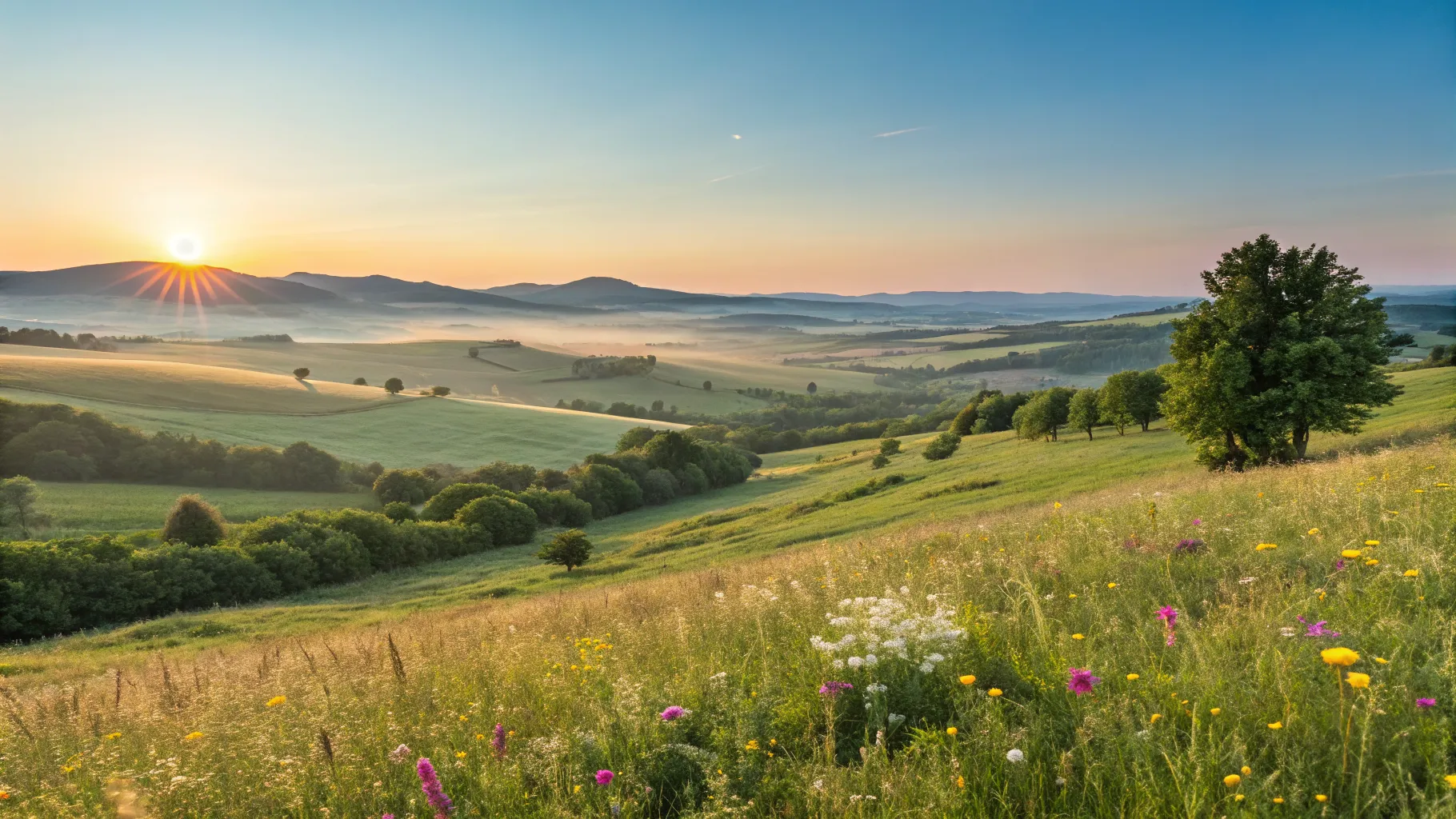
This Sunday brings the year’s longest stretch of daylight across the Northern Hemisphere, marking the start of astronomical summer and a seasonal shift felt from city parks to farm fields.
The event, known as the summer solstice, occurs when Earth’s axial tilt leans the Northern Hemisphere most directly toward the Sun. It is a moment on the calendar and in the sky, setting off traditions, travel plans, and safety reminders as temperatures climb and daylight lingers late.
The summer solstice is Sunday, marking the longest day of the year in the Northern Hemisphere and the start of astronomical summer.
What the Solstice Means
The summer solstice happens when the Sun reaches its highest arc across the sky at local solar noon. The subsolar point sits near the Tropic of Cancer, at about 23.5 degrees north latitude, aligning with Earth’s tilt.
For people living farther north, the Sun rises earlier, sets later, and never climbs as high in the Southern Hemisphere at this time of year. Near and above the Arctic Circle, daylight can last 24 hours, producing the “midnight sun.”
In the Southern Hemisphere, this same day marks the winter solstice and the shortest day of their year, a reminder that seasonal changes are opposite across the globe.
Astronomical vs. Meteorological Summer
Astronomical summer begins at the solstice and ends at the autumnal equinox in September. It is defined by Earth’s position relative to the Sun.
Meteorologists, however, group seasons by temperature patterns, using full calendar months. Meteorological summer runs from June 1 to August 31 in the Northern Hemisphere. This approach helps with climate tracking and year-to-year comparisons.
How Much Daylight to Expect
Daylight varies by latitude. Many U.S. cities experience their longest day close to or on the solstice:
- New York City: about 15 hours of daylight
- Chicago: about 15 hours and 13 minutes
- Seattle: about 16 hours
- Anchorage: more than 19 hours
Sunrise and sunset times may shift slightly by location and local time-keeping, but longer evenings are a shared experience across northern regions.
Traditions, Travel, and Public Safety
The solstice often draws crowds to heritage sites and public landmarks. At Stonehenge in England, thousands typically gather to see the sunrise framed by the ancient stones. In northern cities, festivals highlight music, food, and outdoor art as daylight stretches late into the night.
Public health officials use the date to remind residents about heat and sun safety. Longer daylight can increase exposure to ultraviolet radiation and heat stress, especially during afternoon hours.
- Use sunscreen and seek shade during midday.
- Drink water often, even if not thirsty.
- Check on older adults, outdoor workers, and pets.
Fire managers also caution that dry vegetation and longer afternoons can raise wildfire risk in some regions. Campfire rules and burn bans may change quickly as weather patterns shift.
Why It Matters for Energy and Agriculture
Utilities often watch the solstice period for changes in electricity demand. Air conditioning can push peak loads higher on hot days, while longer daylight sometimes reduces early evening lighting use. Solar power production tends to be strong near this date, with long days and high Sun angles boosting output when skies are clear.
Farmers use the season’s light and warmth to speed growth of crops like corn, soybeans, and small grains. The length of day can influence flowering and yields, making the solstice a natural checkpoint in the growing calendar.
Looking Ahead
After Sunday, daylight will start to decrease a little each day in the Northern Hemisphere. The change is gradual at first, then more noticeable by late summer.
Forecasters and climate researchers will track heat waves, wildfire activity, and precipitation swings that often define this season. Communities are preparing cooling centers, adjusting work schedules, and monitoring water supplies as needed.
The solstice is both a moment and a marker. It welcomes the longest day, signals a shift in daily life, and sets expectations for energy, agriculture, and public health. As summer unfolds, the focus will turn to heat risks, water needs, and the steady march of shorter evenings ahead.

Senior Software Engineer with a passion for building practical, user-centric applications. He specializes in full-stack development with a strong focus on crafting elegant, performant interfaces and scalable backend solutions. With experience leading teams and delivering robust, end-to-end products, he thrives on solving complex problems through clean and efficient code.