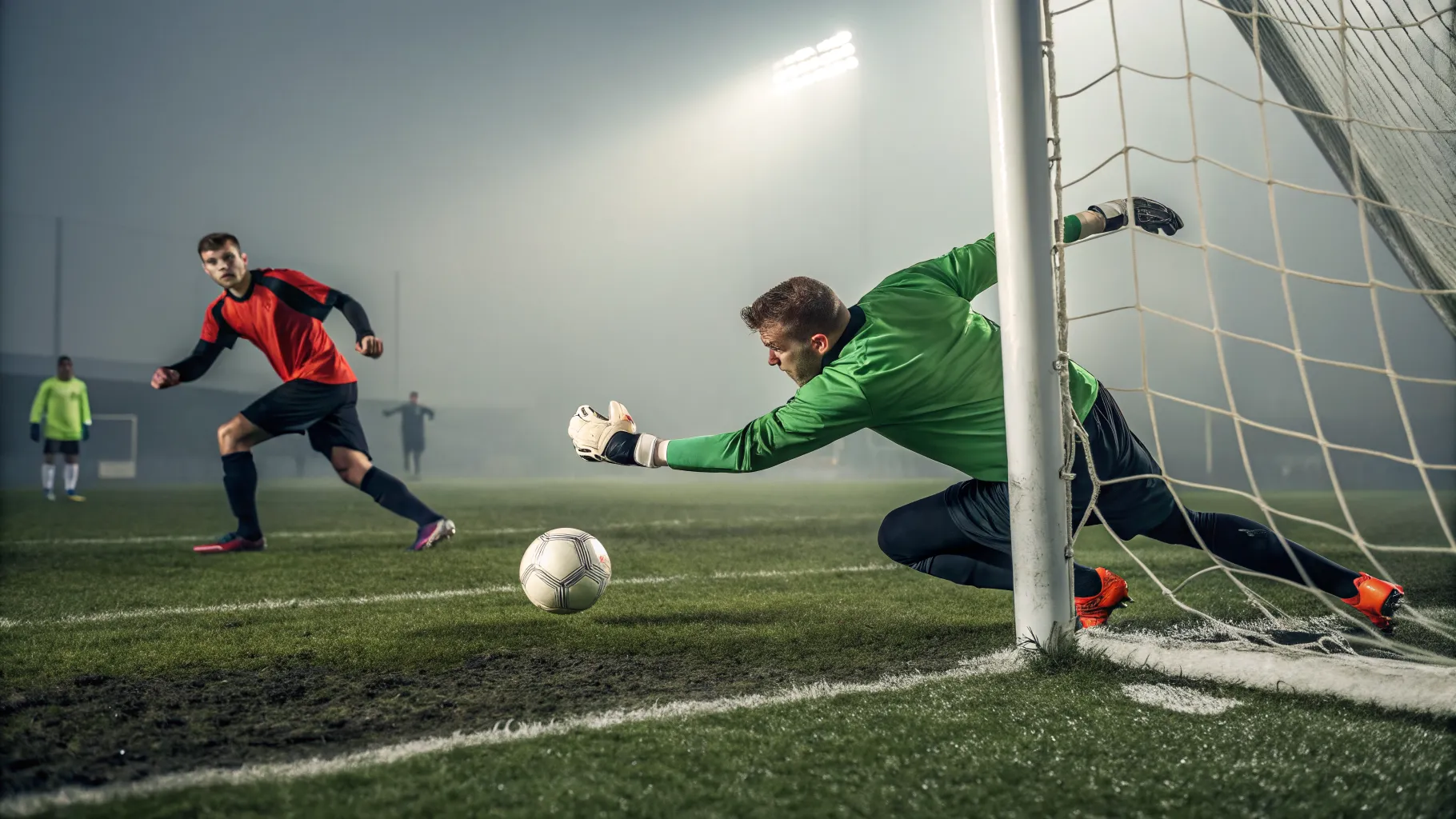
Goalkeepers are again grappling with free kicks and long shots that swerve late, with some left rooted as the ball dips and wobbles past. The concern resurfaced after recent incidents involving young keeper Luca Zidane, while a peer-reviewed study supports veteran Joe Hart’s long-held view that certain strikes can move erratically in flight.
The issue matters across elite and lower leagues. It affects match outcomes, keeper confidence, and how teams coach set pieces. It also revives debate over ball design and the science of aerodynamics in football.
Background: A Long History of Wobble
Complaints about unpredictable movement surfaced at several major tournaments over the past two decades. New panel shapes and seam depths often draw scrutiny when shots start to “knuckle,” shifting side-to-side with little spin. Players and coaches have adjusted, but the debate returns whenever keepers are beaten by shots that seem to change course in the air.
Academic research has examined why this happens. Scientists have shown that low-spin shots at mid-range speeds can enter a regime where airflow separates unevenly. That produces small pressure changes that push the ball off its path. Seam geometry and surface roughness can amplify the effect.
Voices From the Goal Line
“Some, like Luca Zidane, have been bamboozled and an academic paper bears out Joe Hart’s opinion about its movement.”
Hart, an experienced goalkeeper, has repeatedly warned that certain balls and strike types “wobble” late, making the final yard hardest to judge. His view aligns with laboratory tests that document irregular lateral forces on low-spin shots. The effect is most pronounced when the ball is hit hard, with minimal rotation, from 20 to 30 yards.
Coaches sympathize but see it as a training problem. Several goalkeeper coaches encourage starting positions a step deeper, stronger stance on set pieces, and reading the strike for signs of low spin. For outfield players, the same physics can be a weapon. Attackers target the sweet spot that produces a knuckle effect, often using the laces and a straight run-up.
What The Science Says
Peer-reviewed studies describe a narrow speed window where the ball experiences fluctuating drag and lift. In that window, the shot can veer by several inches late in its flight, enough to beat an outstretched glove. Seam pattern, panel bonding, and surface microtexture affect the onset of this window.
- Low-spin shots produce unstable wake patterns behind the ball.
- Irregular pressure fields cause sudden lateral shifts.
- Seam depth and panel edges can trigger earlier or stronger wobble.
Researchers also note that air density and humidity play secondary roles. Cooler, denser air can increase overall drag, while a worn match ball may behave differently from a fresh one.
Industry Response And Training Adaptations
Ball makers say products go through wind-tunnel trials and player testing. They argue that modern designs balance flight stability with speed and durability. Governing bodies certify balls for competition after standardized checks.
On the training ground, keepers work on late footwork and delayed dives to handle last-second swerves. Video sessions highlight striker technique, ball strike location, and body shape before contact. Some clubs use high-speed cameras to spot no-spin or low-spin kicks during practice, then drill specific reactions.
Implications For Matches
Set pieces have grown more dangerous as attackers perfect the knuckle effect. Teams that rely on crossing and long-range shots benefit most. At the same time, small errors in technique can send the ball wide, so consistency remains a challenge for shooters.
For goalkeepers, the margin for error is shrinking. Fitness and reflexes help, but information matters. Tracking tendencies of frequent free-kick takers and understanding ball behavior under match conditions can save points across a season.
The recent discussions around Luca Zidane highlight how even well-positioned keepers can be caught by late movement. With research supporting Joe Hart’s observations, the debate now centers on how best to respond. Expect more clubs to invest in ball-flight analytics, more targeted goalkeeper drills, and continued scrutiny of equipment standards. The next step is clearer data sharing between labs, manufacturers, and teams, so that the sport can balance fairness for keepers with the spectacle that swerving strikes bring.

Rashan is a seasoned technology journalist and visionary leader serving as the Editor-in-Chief of DevX.com, a leading online publication focused on software development, programming languages, and emerging technologies. With his deep expertise in the tech industry and her passion for empowering developers, Rashan has transformed DevX.com into a vibrant hub of knowledge and innovation. Reach out to Rashan at [email protected]