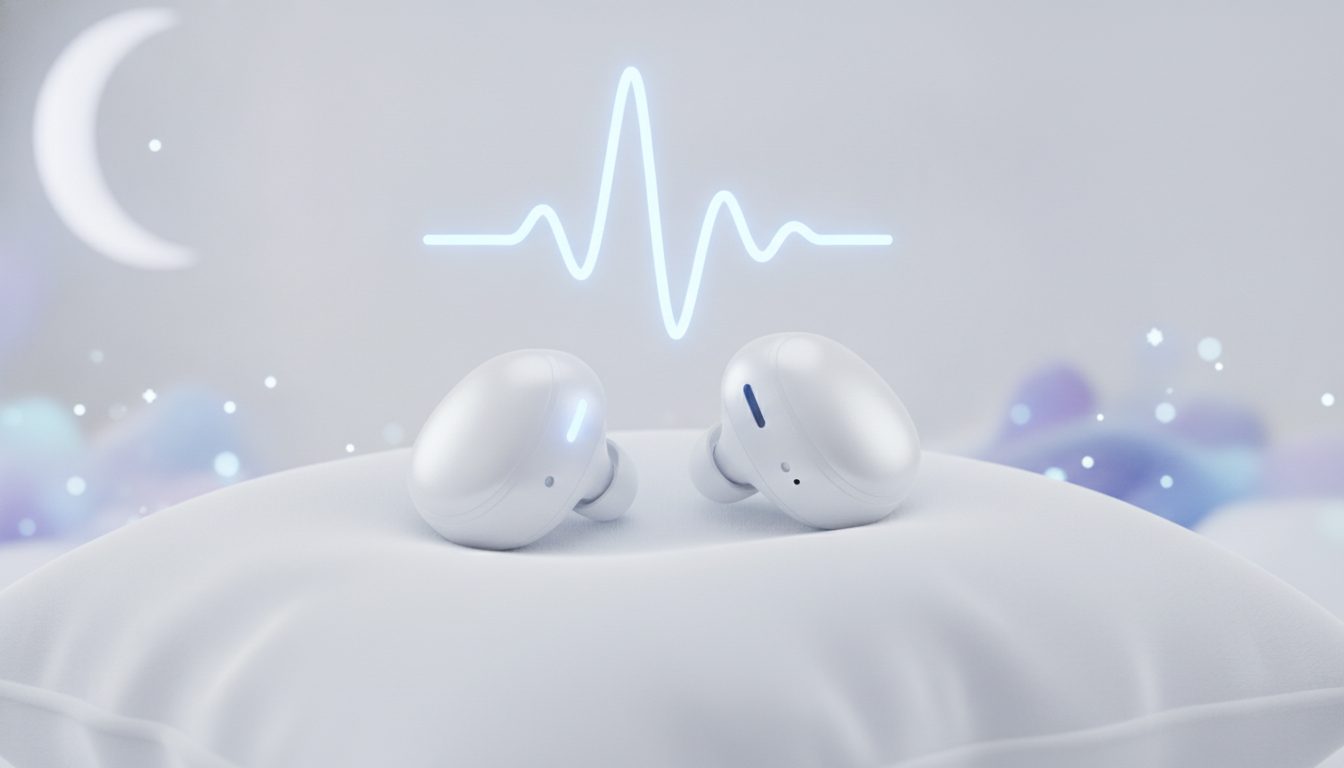
Ozlo announced its first major update to its sleep earbuds, signaling a push to define a product category once left behind by Bose. The company said the new version brings longer battery life, improved connectivity, enhanced audio, and added sleep features. This marks a new attempt to serve users who want help falling asleep and staying asleep with a wearable device designed for the night.
The release points to a simple goal. Keep sleepers comfortable and disconnected from noise, while adding features that make the device easier to trust through a full night.
“Ozlo’s first major update to its sleep earbuds introduces longer battery life, improved connectivity, enhanced audio, and new sleep features as the startup continues the product line once abandoned by Bose.”
Background: A Category With Unfinished Business
Sleep earbuds sit at the crossroad of audio and health habits. The device must be small, safe, and quiet, while also working for hours without failure. Bose once tried to build this space, then stepped back after discontinuing its sleep earbuds. That exit left loyal users without a path forward and raised doubts about the category’s future.
Ozlo now seeks to pick up the thread. The company’s bet is clear. There is still interest in sleep-focused wearables that block noise or play soundscapes, but the tech must prove reliable for nightly use.
What The Update Promises
The headline features aim to improve the basics. The company is promising fewer dropouts, better sound, and a longer time between charges. It also adds software tools tied to sleep routines.
- Longer battery life for full-night use
- Improved connectivity to reduce dropouts
- Enhanced audio for clearer, softer playback
- New sleep features that support routines
Each item targets a known pain point. Battery life helps users stay asleep without waking to a dead device. Stable links help prevent jarring interruptions. Audio tuning matters because harsh tones or distortion can break rest. Sleep features can guide wind-down habits and consistency.
Why Reliability Matters For Sleep
Sleep devices have a higher bar for trust. Users often set them and then try not to think about them until morning. Any mid-night failure breaks that trust quickly. A small comfort issue can also loom large at 2 a.m. This is why a move to improve power and connectivity is more than a spec sheet upgrade. It is a bid to be invisible through the night.
Experts often point to steady routines, noise control, and light management as sleep aids. Earbuds can support two of those. The device must still avoid irritation, heat, or pressure points. Ozlo’s focus on audio quality and new sleep features suggests attention to that softer side, though full details remain to be seen.
The Market Question After Bose
When a large brand steps away, it can chill a niche. It can also create room for smaller players to focus on a single use case. Ozlo’s update arrives in that gap. The appeal is clear. Many people share rooms or face urban noise. Not everyone can change their environment. Quiet soundtracks, noise masking, or gentle alarms can make a difference.
There are hurdles too. Users may worry about long-term comfort, ear health, or the burden of charging yet another device. Some will prefer non-wearable solutions like sound machines. Others will ask for clear data on effectiveness. Ozlo will likely need to address those points with testing and careful design choices.
What To Watch Next
Several signals will indicate whether this update lands. Return and satisfaction rates will matter. Reports about comfort after weeks of use will matter more than a single night’s trial. App reliability and simple controls can help or hurt the experience.
Competition also bears watching. If other brands re-enter the space, it could validate demand. If not, Ozlo may need to carry the category. Accessory options, fit kits, or partnerships could also shape adoption.
For now, the company frames the update as a step that fixes known issues while adding features for nightly routines. The promise is quiet reliability and less friction at bedtime.
Ozlo’s move brings new energy to a product line that once stalled. The next phase is proof in real bedrooms, across full nights, and over many weeks. If the improvements hold, sleep earbuds could gain a second life. If not, users will look again to simpler tools. The coming months will show whether the update can turn cautious interest into steady use.

Kirstie a technology news reporter at DevX. She reports on emerging technologies and startups waiting to skyrocket.