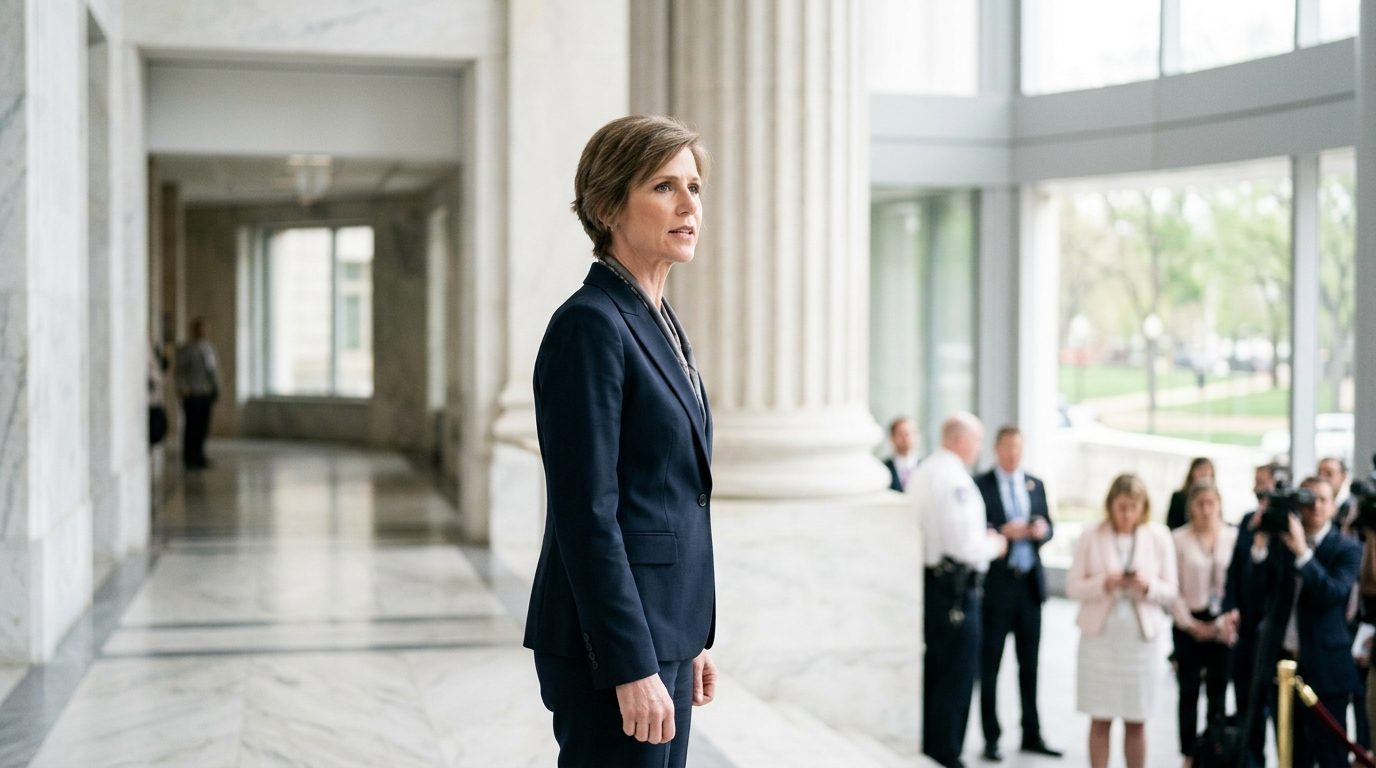
Sally Yates became a national figure in January 2017 after refusing to defend President Donald Trump’s first travel ban. Her decision triggered her dismissal, intensified a legal fight and raised lasting questions about Justice Department independence.
Yates, a longtime federal prosecutor, was serving as acting attorney general when Trump issued the order. It restricted entry from seven predominantly Muslim countries and suspended the refugee admissions program.
A Rapid Clash Over Executive Authority
Trump signed Executive Order 13769 on Jan. 27, 2017, one week after taking office. The policy took effect quickly, causing confusion at airports across the United States.
Travelers were detained, families sought legal help and protesters gathered at major airports. Federal judges soon began reviewing emergency challenges filed by civil rights groups and affected travelers.
Yates instructed Justice Department lawyers not to defend the order. She said she was not convinced that defending it would be consistent with the department’s duty to seek justice.
She became known “for refusing to enforce President Trump’s ban on travelers to the U.S. from predominantly Muslim countries.”
The White House fired Yates on Jan. 30, 2017. The administration accused her of failing to carry out a lawful presidential directive. Dana Boente, then the U.S. attorney for the Eastern District of Virginia, replaced her temporarily.
Supporters and Critics Saw Different Duties
Supporters viewed Yates’ action as a defense of Justice Department independence. They argued that the attorney general must assess both legality and fairness, rather than defend every White House policy automatically.
Critics said an acting attorney general should enforce a presidential order unless a court rules it unlawful. Under that view, resignation would have been more appropriate than directing government lawyers to stand down.
The dispute centered on several major issues:
- How much authority presidents have over immigration and national security.
- Whether the policy unlawfully targeted Muslims.
- How government lawyers should respond to disputed executive orders.
- Whether campaign statements may help courts assess official intent.
Courts Forced the Policy to Change
The first order faced immediate setbacks in federal court. The administration later replaced it with revised versions that changed the countries covered and offered more detailed national security findings.
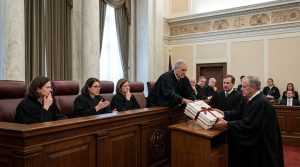
In June 2018, the Supreme Court upheld the third version by a 5-4 vote in Trump v. Hawaii. The majority emphasized the president’s broad authority under federal immigration law. The dissent argued that the policy was shaped by anti-Muslim hostility.
The ruling did not erase the political impact of the original order. President Joe Biden revoked the restrictions in January 2021, calling them inconsistent with American values and national security interests.
A Lasting Institutional Question
Yates’ refusal became an early test of the relationship between the Trump White House and federal law enforcement. It also showed how quickly immigration policy can affect travelers before courts complete their review.
The episode remains relevant whenever presidents test the reach of executive authority. Future disputes will again force Justice Department leaders to balance loyalty to an administration with their independent legal judgment.
Yates’ dismissal resolved the immediate conflict but not the central question. The lasting issue is where government lawyers should draw the line when presidential power, civil rights and national security collide.

Rashan is a seasoned technology journalist and visionary leader serving as the Editor-in-Chief of DevX.com, a leading online publication focused on software development, programming languages, and emerging technologies. With his deep expertise in the tech industry and her passion for empowering developers, Rashan has transformed DevX.com into a vibrant hub of knowledge and innovation. Reach out to Rashan at [email protected]