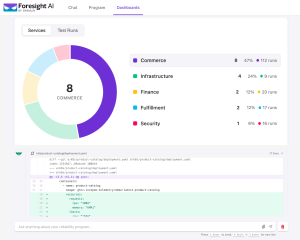
Anthropic says its Claude system now “leads” 26% of the company’s artificial intelligence research and development work. The AI developer plans to publish this measure regularly, giving outsiders a clearer view of how quickly AI is helping build newer AI systems.
The disclosure offers a rare internal measure from a company developing advanced language models. It also raises a central question for the technology sector: How much of the next generation of AI will be designed, tested, or managed by AI itself?
What the 26% Measure Shows
Anthropic’s figure suggests Claude has moved from a general workplace assistant into a more active research role. However, the company’s use of the word “leads” requires careful interpretation.
Claude “leads” 26% of the artificial intelligence research and development work inside the company.
The statement does not define what leading a task involves. It could include writing code, planning tests, reviewing results, drafting research material, or coordinating several steps. It also does not say whether a person must approve Claude’s work before it is used.
The percentage should not be read as evidence that Claude independently conducts more than a quarter of Anthropic’s research. Human researchers may still set goals, supervise the process, check findings, and decide whether to deploy any result.
A New Form of Corporate Disclosure
Anthropic said it will release the measure on a regular basis. That approach could help researchers, policymakers, workers, and investors track changes in AI-assisted development over time.
A single percentage provides only a limited snapshot. A recurring measure could reveal whether AI’s role is rising quickly, leveling off, or changing as tasks become more difficult.
Useful future disclosures could clarify several points:
- How Anthropic defines work that Claude “leads.”
- Which research and development tasks are included.
- How much human review each task receives.
- Whether the measure reflects time, task count, or business value.
- How errors and unsuccessful projects affect the calculation.
Consistent definitions will matter if Anthropic wants outsiders to compare results across reporting periods. Changes in measurement methods could otherwise appear to show gains that reflect accounting choices rather than greater AI capability.
AI Helps Build More AI
Software developers already use AI systems to suggest code, identify bugs, create tests, and summarize technical documents. Applying those tools to AI research creates a feedback cycle. Better models can assist researchers who are developing their successors.
That cycle may shorten development schedules and reduce the time spent on routine work. It may also allow small teams to test more ideas. Yet speed can create new risks if automated findings are accepted without enough review.
Research errors can spread through code, evaluations, and training decisions. An AI system may also produce convincing material that contains hidden mistakes. Human oversight, independent testing, and clear responsibility therefore remain important.
Pressure for Clearer Benchmarks
Anthropic’s reporting plan may encourage other AI companies to disclose how their own systems contribute to research. Comparable figures could help the public judge whether claims about automated development reflect actual work or broad marketing language.
The measure also has implications for employment. AI-led tasks could change the daily work of engineers and researchers rather than remove their roles outright. Workers may spend less time producing first drafts and more time setting objectives, checking outputs, and managing risk.
Anthropic’s 26% figure is an early indicator, not a complete account of autonomous AI research. Its value will depend on stable definitions, detailed methods, and evidence of human review. Future reports will show whether Claude’s share grows, and whether faster development can be matched by reliable safety controls.

Rashan is a seasoned technology journalist and visionary leader serving as the Editor-in-Chief of DevX.com, a leading online publication focused on software development, programming languages, and emerging technologies. With his deep expertise in the tech industry and her passion for empowering developers, Rashan has transformed DevX.com into a vibrant hub of knowledge and innovation. Reach out to Rashan at [email protected]