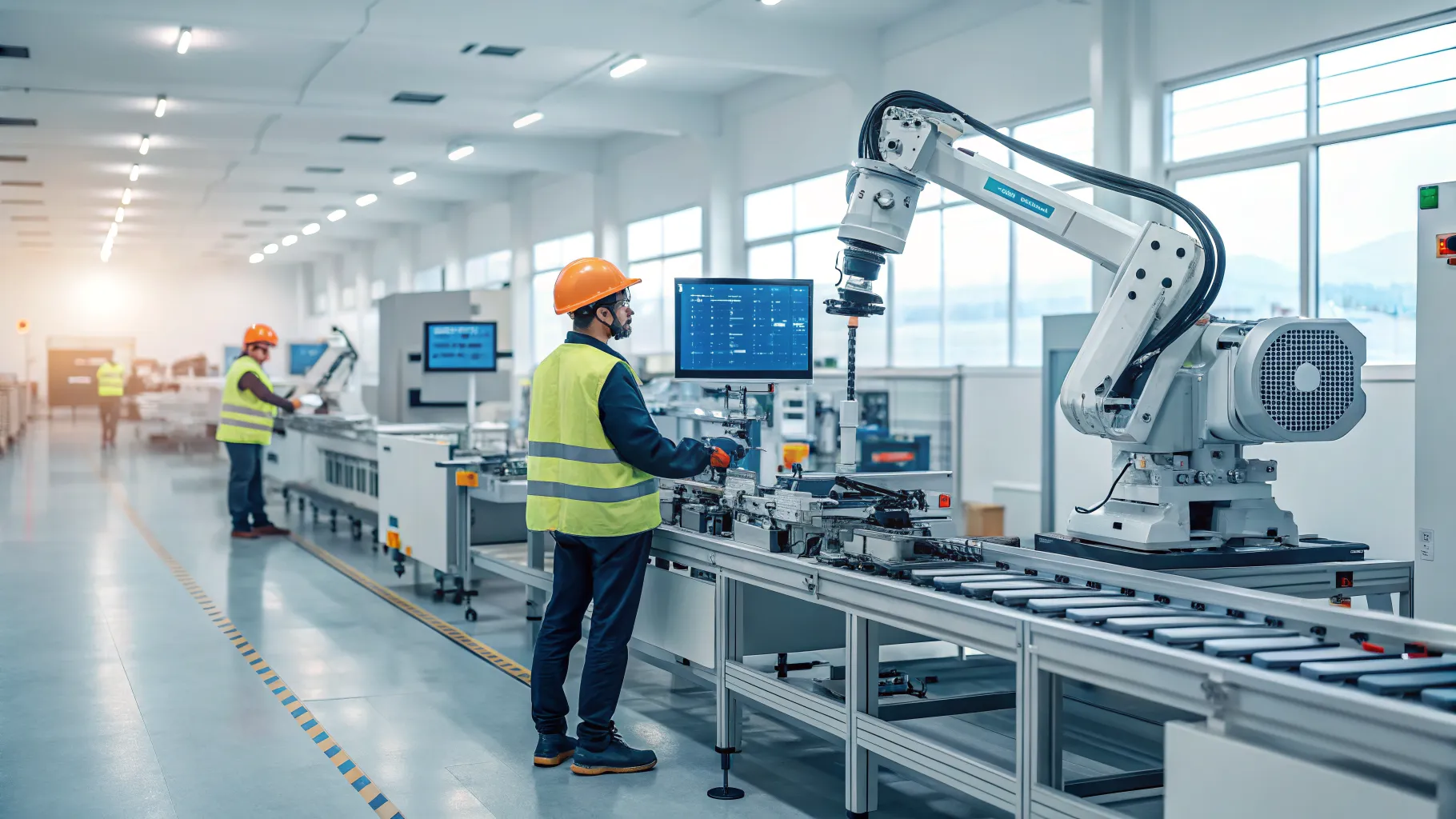
Ten years after calling it a lonely pursuit, investor Lior Susan now sees his focus on physical-world technology at the center of the sector’s action. The shift comes as founders, policymakers, and major funds rally around manufacturing, supply chains, energy, and defense—areas once seen as slow or out of fashion in Silicon Valley.
The change reflects where money and urgency have migrated. Geopolitics, supply shortages, and the energy transition are steering attention toward companies that build, move, and power real things. As interest rates stay higher, investors are also searching for businesses with clear unit economics and durable demand in essential industries.
From Niche Thesis to Mainstream Interest
A decade ago, venture capital was dominated by software plays with quick cycles and light assets. Hardware-heavy startups were often passed over for being risky and capital intensive. Susan’s focus on factory automation, industrial software, and logistics sat on the edge of mainstream venture.
“Investing in the real world was lonely for Lior Susan 10 years ago. Now his firm finds itself at the center of the tech world’s action.”
That sentiment tracks with a broader industry turn. Manufacturing and climate startups have pulled in larger rounds since 2020 as supply chain shocks exposed fragile links and governments pushed for domestic production. The United States passed measures to expand semiconductor fabrication and clean energy projects. Europe and parts of Asia followed with their own incentives.
Why the Market Shifted
Several forces explain the move to real-economy tech. Pandemic-era disruptions made resilience a board-level priority. AI matured enough to leave the research lab and enter plants, warehouses, and power grids. Electrification in transport and heavy industry unlocked demand for new materials, sensors, and software-defined machines.
- Policy support: subsidies for chips, batteries, and clean energy projects.
- Supply chain risk: nearshoring and redundancy became strategic goals.
- AI at the edge: computer vision, predictive maintenance, and autonomous systems cut costs.
Investors are also re-rating the value of revenue tied to physical output. Contracts with industrial buyers can be sticky and long term, which helps during rate cycles and uneven consumer spending.
Winners, Skeptics, and Execution Risk
Supporters argue that today’s tools reduce the old burdens. Modular hardware, standard components, and cloud-linked controls can speed development and cut costs. They point to software margins wrapped around physical products as a path to strong economics.
Skeptics warn the fundamentals have not changed enough. Plants still require heavy capex, certification takes time, and sales cycles can be long. Exits may depend on strategic buyers rather than IPOs, which narrows the path to liquidity.
Both views can be true. The companies that win will likely combine disciplined engineering with practical go-to-market plans. Partnerships with established manufacturers and energy operators can shorten the road to scale.
What the Shift Means for Tech
The center of gravity in venture is broadening. Software remains powerful, but the field is now crowded by startups that knit software and hardware into production systems. That can change who gets funded and which skills matter most on founding teams.
For workers and regions outside classic tech hubs, the trend could spread investment to new plants and technical jobs. For the climate, the bar is high: projects need measurable gains in emissions and cost to win long-term contracts.
Signals to Watch
The next phase will be shaped by a few indicators:
- Project finance costs for factories, storage, and grid upgrades.
- Procurement timelines at major industrial and defense buyers.
- Performance of recent IPOs and mergers in industrial tech.
- Durability of public incentives and trade policy.
What once felt solitary has become crowded. Susan’s early bet on the physical side of innovation now matches the demands of boardrooms and governments. The test ahead is execution. If these companies ship on time, prove reliability, and lock in repeat customers, the momentum can hold. If delays mount and capital tightens, enthusiasm could cool. For now, investors are watching the factory floor as closely as the app store—and planning their next move.

Rashan is a seasoned technology journalist and visionary leader serving as the Editor-in-Chief of DevX.com, a leading online publication focused on software development, programming languages, and emerging technologies. With his deep expertise in the tech industry and her passion for empowering developers, Rashan has transformed DevX.com into a vibrant hub of knowledge and innovation. Reach out to Rashan at [email protected]