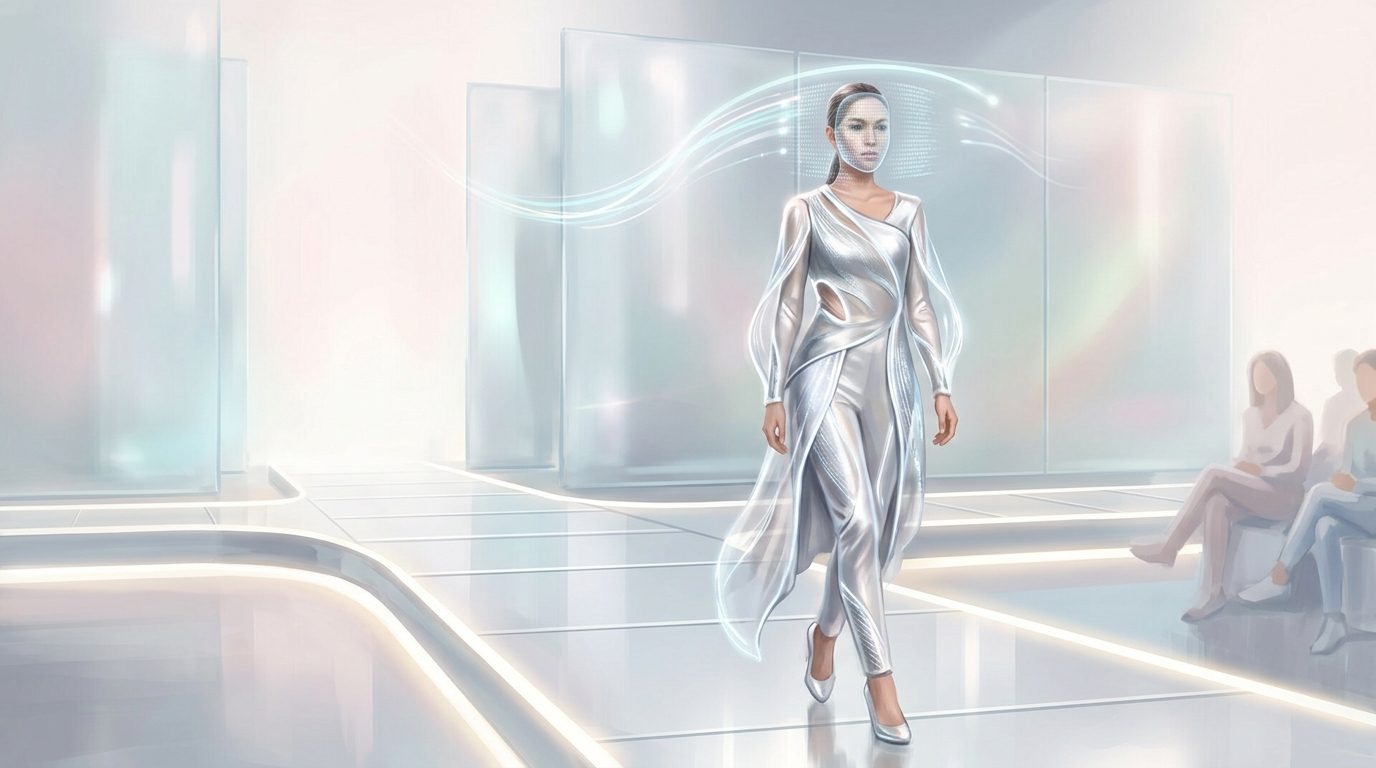
Runway has shipped a feature designed to conceal AI avatars drifting off-center during real-time video, according to a description of the update. The approach masks a visible flaw rather than correcting the model behavior that causes it.
The decision highlights a common challenge for generative video companies. They must balance technical fixes, product deadlines, and the quality users see during live sessions. In real-time video, even small positioning errors can quickly distract viewers.
A Presentation Fix for a Model Problem
AI avatars must keep a face or digital character stable while processing movement frame by frame. If the system loses spatial consistency, the avatar may slowly move away from the center.
“Runway couldn’t stop its AI avatars from drifting off-center in real-time video, so it shipped a feature that hides the flaw instead of fixing the model.”
The statement does not identify the feature, explain how it works, or provide testing data. It also does not establish whether Runway plans a deeper model correction. Those missing details limit firm conclusions about the update.
A masking feature could crop, reframe, or adjust the visible output. However, the exact method has not been specified. Such tools can improve what viewers see without changing the system generating the avatar’s movement.
Why Real-Time Video Is Difficult
Recorded AI video can be generated, reviewed, and corrected before publication. Live video offers little time for that process. Each frame must appear quickly enough to preserve a natural conversation.
That speed creates trade-offs among image stability, response time, and computing demands. A model may produce sharper or steadier results if given more processing time. Real-time products cannot always afford that delay.
The apparent workaround may offer several immediate benefits:
- It can reduce visible distraction during live sessions.
- It may avoid the delay of retraining or redesigning a model.
- It gives Runway more time to study the underlying failure.
Yet presentation fixes can create new concerns. Cropping may remove useful visual information. Automatic reframing may look unnatural. Users may also struggle to judge system reliability if software quietly conceals errors.
Product Speed Versus Transparency
Shipping a workaround is not unusual in software. Developers often use interface controls to reduce the impact of technical limits while longer-term repairs are prepared.
The key issue is disclosure. Customers need to know whether a feature improves the underlying model or only changes how its output appears. That distinction matters for businesses using avatars in customer service, training, events, or public communication.
Runway’s approach may be practical if the feature clearly improves live video and does not introduce major distortions. It may draw criticism if users expect the avatar model itself to have become more stable.
What to Watch Next
Future evaluations should measure how often avatars drift, how much the feature hides, and whether image quality suffers. Comparisons with the feature turned on and off would help users assess its value.
Runway could also clarify whether the update is temporary or part of its long-term design. Model improvements that preserve position without concealment would offer stronger evidence of technical progress.
For now, the reported feature reflects a practical but limited response to real-time avatar instability. It may improve the viewing experience, but it does not appear to resolve the cause. The next test will be whether Runway turns that visual workaround into a lasting technical fix.

Senior Software Engineer with a passion for building practical, user-centric applications. He specializes in full-stack development with a strong focus on crafting elegant, performant interfaces and scalable backend solutions. With experience leading teams and delivering robust, end-to-end products, he thrives on solving complex problems through clean and efficient code.