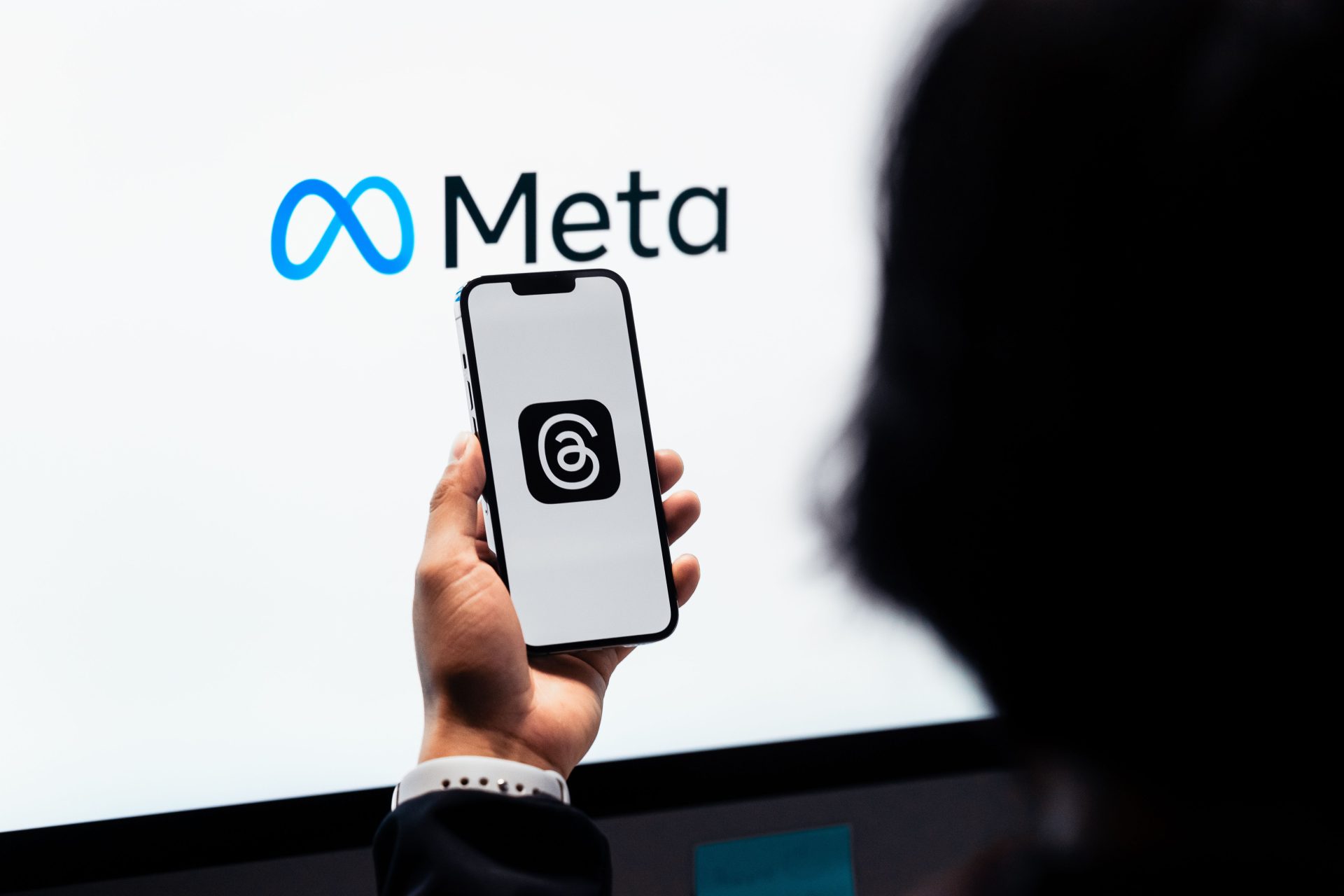
Meta Muse Wonder is the company’s first frontier AI model. It launched on October 12, 2026. The release targets GPT-6 Astra, Claude Opus 5.5, and Gemini 4 Argon on agentic coding tasks. Meta built two versions: Wonder and the larger Wonder Full. Developers get API access only to the smaller model. The bigger one stays locked behind a paid subscription. That split matters when you pick a model for your stack.
What Is Meta Muse Wonder
Muse Wonder is Meta’s step up from its lightweight Muse Spark line. Meta Superintelligence Labs built it under Alexandr Wang, the former CEO of Scale AI, who now runs that division. The model accepts text, image, audio, video, and PDF input, but outputs only text. Context runs to roughly one million tokens, matching the window other frontier labs now offer as standard.
Meta trained Wonder at its Prometheus data center in central Ohio, which came online earlier in 2026. Mark Zuckerberg described Wonder as “a much larger and more advanced class of models” than Muse Spark. Meta frames the release as a rung on its “scaling ladder” toward what it calls personal superintelligence. Neither model ships with public weights, so self-hosting is not an option.
How Muse Wonder Scores on Independent Benchmarks
Artificial Analysis, an independent model-tracking firm, places Wonder Full at 56 on its Intelligence Index, tying Claude Sonnet 5.5. Wonder itself scores 52. GPT-6 Astra, Gemini 4 Argon, and Claude Fable 5.1 all land at 53. Claude Opus 5.5 still leads the group at 58. On that same index, Wonder ranked ninth out of 216 tracked models.
Coding tells a more interesting story. DeepSWE 1.1 is a software-engineering benchmark. There, Wonder Full scored 79.0, ahead of Opus 5.5 (74.2) and GPT-6 Astra (74.1). SWE-Marathon tests long-running coding sessions instead. Wonder Full hit 57.5 on that benchmark, well past Opus 5.5’s 46.3. That gap is Meta’s strongest argument for developers running extended agentic coding sessions. DevX has tracked a similar shift, as generative AI keeps changing how software gets built.
Opus 5.5 pushes back on Terminal-Bench 4.0, scoring 59.6 against Wonder Full’s 57.1. Treat every number here with some caution. Meta mixes its own test runs with third-party results, and some coding comparisons used different tooling across models. These are still useful signals, not a settled ranking.
Muse Wonder Pricing and API Access
Wonder costs $4 per million input tokens and $20 per million output tokens through Meta’s Model API. Cached input tokens run $0.20 per million, and the rate stays flat no matter how much context you use. That pricing matches Claude Opus 5.5 exactly. GPT-6 Astra and Claude Fable 5.1 both charge $10 and $50, so Wonder undercuts each by a wide margin. Claude Sonnet 5.5 still costs less, at $2 and $10, roughly half Wonder’s rate.
Meta also charges $2.50 per 1,000 queries for built-in web search. Rate limits sit at 3,000 requests and 4 million tokens per minute. The API also supports request formats compatible with both OpenAI and Anthropic tooling. As a result, migrating an existing integration should not require a rewrite. Artificial Analysis’s model comparison page tracks Wonder’s current standing against competing models, and it updates as new benchmarks land.
Active Memory and Agentic Features
Meta built two capabilities into Wonder that it treats as differentiators. Active Memory lets the model retain and recall personal or professional context across separate conversations. It can also add new details as it learns them. Active Focus keeps an agent working toward a stated goal, even after it hits obstacles or requirements shift mid-task. The agent can revise its plan, try a different approach, or ask permission before taking a consequential action.
Both models support sub-agent delegation and parallel tool calls. Those features matter most for multi-file refactors and longer coding sessions. Meta recommends human confirmation before an agent takes any action with real consequences. Most teams already apply that same caution as they fold AI deeper into their development practices. It accelerates real work, but it is not a reason to skip review.
Muse Wonder Full and the Subscription Catch
Wonder Full beats the base model on coding and several specialized benchmarks. Yet Meta has not published an API price for it. You can only reach Wonder Full through a Muse Code subscription. The Power Usage tier costs $50 a month and includes 20 times the usage allowance of Meta’s free Everyday plan. Maximum Usage costs $200 a month for 80 times that allowance.
That structure pushes serious users toward a subscription instead of pay-as-you-go API billing. Meta’s smaller Muse Glimmer model offers a different path. It ships under an Apache 2.0 license and can run on infrastructure you control. Wonder and Wonder Full offer neither option. A team should weigh total cost carefully, since the subscription tiers can get expensive fast once usage climbs past the lower tier.
Data Handling and Common Mistakes to Avoid
Meta’s Standard mode is the only pay-as-you-go API mode. It does not train future models on your submissions. Contributor mode works differently, and it is the default for Muse Code subscriptions. Under Contributor mode, Meta can use your prompts, code, files, and outputs to improve future models. You can opt out, but that opt-out applies only to future submissions.
A common mistake is sending proprietary code to a Muse Code subscription without checking which mode is active. Zero data retention is available for approved Model API organizations. However, it drops server-side conversation state, file uploads, and built-in web search. Confirm your mode and your data policy before you point Wonder at anything sensitive, not after.
Key Takeaways
- Meta Muse Wonder is Meta’s first frontier model, released October 12, 2026, with roughly a one-million-token context window.
- The API-accessible Wonder model costs $4 and $20 per million input and output tokens, matching Claude Opus 5.5’s rate card.
- Wonder Full beats Wonder and several rivals on DeepSWE 1.1 and SWE-Marathon coding benchmarks but has no public API.
- Meta positions Active Memory and Active Focus as Wonder’s main agentic advantages.
- Check which data mode you are in before sending proprietary code, since Contributor mode lets Meta train on your submissions by default.
Frequently Asked Questions About Meta Muse Wonder
What Is Meta Muse Wonder Used For?
Developers use it for agentic coding, business workflow automation, and tasks that benefit from long-term memory of a user’s context. Meta positions it as a general frontier model rather than a narrow coding tool.
How Much Does Meta Muse Wonder Cost?
The API-accessible Wonder model costs $4 per million input tokens and $20 per million output tokens. Cached input tokens cost $0.20 per million. Wonder Full has no published API price.
Is Muse Wonder Full Available Through the API?
No. Wonder Full is only available through Muse Code subscriptions. Pricing starts at $50/month for the Power Usage tier and goes up to $200/month for Maximum Usage.
How Does Muse Wonder Compare to GPT-6 Astra and Claude Opus 5.5 on Coding Tasks?
Wonder Full outscores both on DeepSWE 1.1 and SWE-Marathon, two coding-focused benchmarks. Opus 5.5 still leads on Terminal-Bench 4.0 and on overall intelligence aggregate scores.
Can I Self-Host Muse Wonder?
No. Meta has not released public weights for Wonder or Wonder Full. Meta’s smaller Muse Glimmer model is licensed under Apache 2.0 and can run on your own infrastructure instead.
Does Meta Train on My Data When I Use Muse Wonder?
It depends on the mode. Standard mode, used by the pay-as-you-go API, does not train on submissions. Contributor mode is the default for Muse Code subscriptions. It can use your prompts and code unless you opt out for future submissions.
Final Thoughts
Muse Wonder gives Meta a real seat at the frontier table. The coding benchmarks back that up for agentic work. Access is the catch, though. Meta’s strongest version sits behind a subscription, not the API most teams would reach for first. Before adopting Wonder, check which mode handles your data and whether the subscription math fits your team’s usage. Pricing and benchmarks move fast on this beat, so verify current numbers before you commit.
Photo by Julio Lopez: Pexels

Rashan is a seasoned technology journalist and visionary leader serving as the Editor-in-Chief of DevX.com, a leading online publication focused on software development, programming languages, and emerging technologies. With his deep expertise in the tech industry and her passion for empowering developers, Rashan has transformed DevX.com into a vibrant hub of knowledge and innovation. Reach out to Rashan at [email protected]