The popular story says generative AI is coming for developer jobs. It’s a tidy narrative, and it’s mostly wrong. Watch how strong teams actually use these tools and you’ll see something more interesting than replacement. The job isn’t disappearing. It’s being rewritten. Generative AI for software development is changing what a developer spends their day doing, and the engineers who understand that shift are pulling away from the ones who don’t.
This isn’t a distant trend to monitor. It’s already the default. In GitHub’s 2024 global developer survey, more than 97% of respondents reported having used AI coding tools at work. The tooling won. The open question now is what your team does with it.
From Writing Code to Directing It
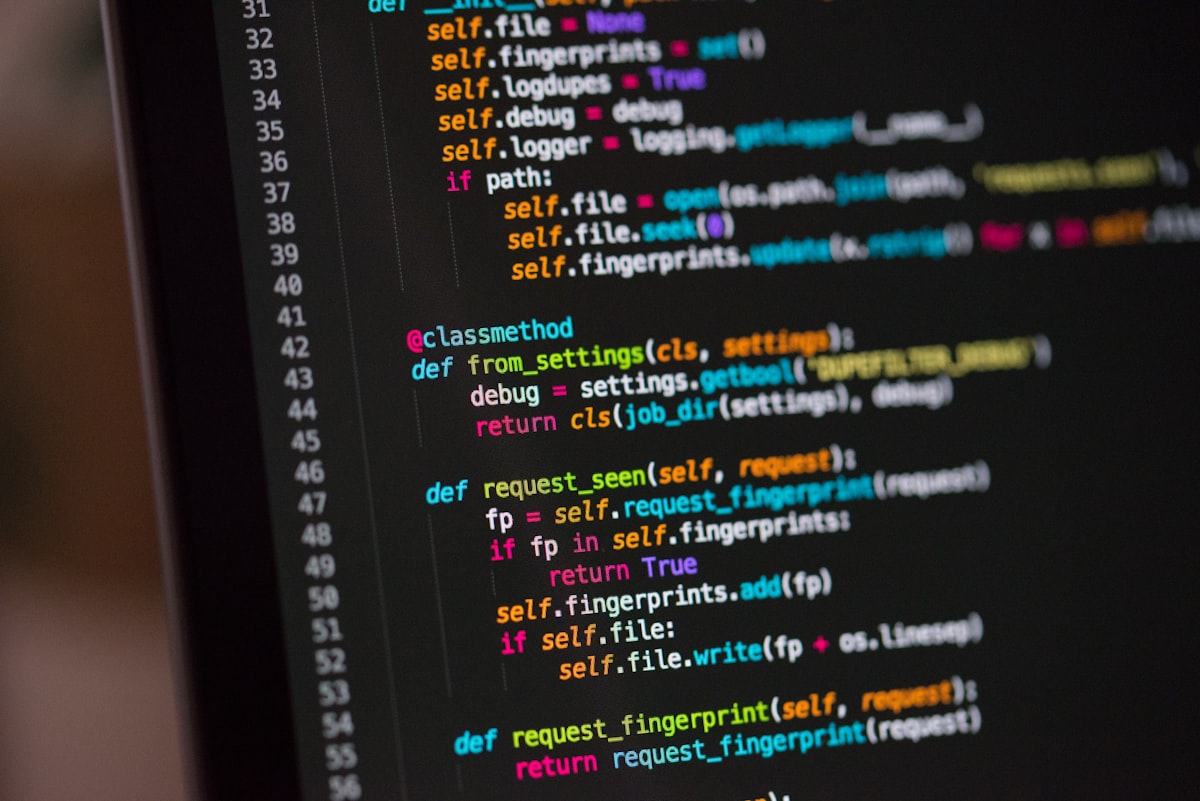
For decades, the bottleneck in software was typing the implementation. You knew what you wanted; the labor was translating intent into syntax. Generative AI collapses that step. Describe the function, and a capable model drafts it in seconds.
The measurable effect is real. GitHub’s research found developers using Copilot completed tasks up to 55% faster than those without it. But speed is the least interesting part. The deeper change is where a developer’s attention now goes. Less time is spent on boilerplate and syntax recall. More goes to architecture, edge cases, and deciding whether the generated solution is actually correct.
That’s a promotion, not a demotion. The developer becomes a director: setting intent, reviewing output, and owning the judgment a model can’t. If you lead a team, start optimizing for that skill now. The best hires increasingly look less like fast typists and more like sharp reviewers, which is reshaping how teams hire AI engineers who can actually deliver in production.
The Trust Gap Is the Real Story
Here’s the tension that defines this moment. Developers use these tools constantly, but they don’t fully trust them, and they’re right not to.
Stack Overflow’s 2024 Developer Survey captured it precisely: 76% of developers were using or planning to use AI tools in their workflow, up from 70% the year before, yet favorable sentiment slipped to 72% as real-world results proved uneven. People are adopting faster than they’re trusting. That gap is not a problem to eliminate. It’s a discipline to institutionalize.
Because AI-generated code fails in specific, predictable ways:
- Confident hallucinations. Models invent APIs that don’t exist and functions that were never written.
- Silent insecurity. Generated code often reproduces vulnerable patterns from its training data without a warning.
- Plausible wrongness. The worst bugs are the ones that look right, compile clean, and break in production.
Treat every generated block as an untrusted draft from a talented but overconfident intern. The risk is concrete enough that teams now plan deliberately around AI hallucinations in production code and how to mitigate them. Review isn’t optional overhead here. It’s the whole job.
Where Generative AI for Software Development Delivers Most
The gains aren’t evenly distributed across the lifecycle. Point the technology at the right stages and the returns compound.
Testing and quality
Writing tests is exactly the kind of thorough, repetitive work developers routinely skimp on. AI is well suited to generating comprehensive test cases, which is why generative models are steadily replacing hand-written QA scripts. Better coverage, less tedium.
The pipeline itself
The impact reaches beyond the editor. Build, test, and deployment pipelines are increasingly AI-assisted, and the emergence of CI/CD pipelines that build, test, and deploy themselves means the shift touches operations, not just authoring. The developer’s role stretches across a wider surface, with AI handling more of the mechanical middle.
Onboarding and learning
Generative AI is a patient tutor. It explains unfamiliar codebases, translates between languages, and lowers the cost of learning a new stack, which flattens the ramp for junior engineers dropped into complex systems. A new hire who once needed weeks to grow productive in a sprawling monolith can now ask the system questions and get grounded answers in real time. That doesn’t remove the need for mentorship, but it changes what mentors spend their energy on.
Lead the Shift, Don’t Just Survive It
If you manage engineers, your job is to capture the upside without inheriting the failure modes. A few deliberate moves make the difference.
- Set clear norms. Define what AI can draft freely and what requires human authorship and rigorous review. Ambiguity breeds sloppy shortcuts.
- Invest in review culture. As generation gets cheap, judgment gets valuable. Reward careful code review the way you once rewarded fast delivery.
- Measure outcomes, not keystrokes. Track quality, incident rates, and delivery reliability, not lines produced. Velocity without stability is a liability.
- Keep humans accountable. A person signs off on every shipped change. The model assists; it never owns the outcome.
The Craft Isn’t Dying, It’s Leveling Up
Every major leap in developer tooling, from the compiler to the framework to the cloud, provoked the same fear that the craft was ending. Each time, the tools raised the floor and the ambition rose to meet them. Generative AI for software development is the newest instance of that same pattern, only faster.
Your value was never in typing semicolons. It was in understanding problems, weighing tradeoffs, and shipping software people can trust. AI takes over more of the mechanical work so you can spend more of yourself on the parts that were always the point. Learn to direct these tools well, keep your hand firmly on the judgment they can’t replicate, and you won’t be replaced by AI. You’ll be amplified by it.
Featured image: Photo by Mohammad Rahmani on Unsplash. In-article image: Photo by Chris Ried on Unsplash.

Rashan is a seasoned technology journalist and visionary leader serving as the Editor-in-Chief of DevX.com, a leading online publication focused on software development, programming languages, and emerging technologies. With his deep expertise in the tech industry and her passion for empowering developers, Rashan has transformed DevX.com into a vibrant hub of knowledge and innovation. Reach out to Rashan at [email protected]