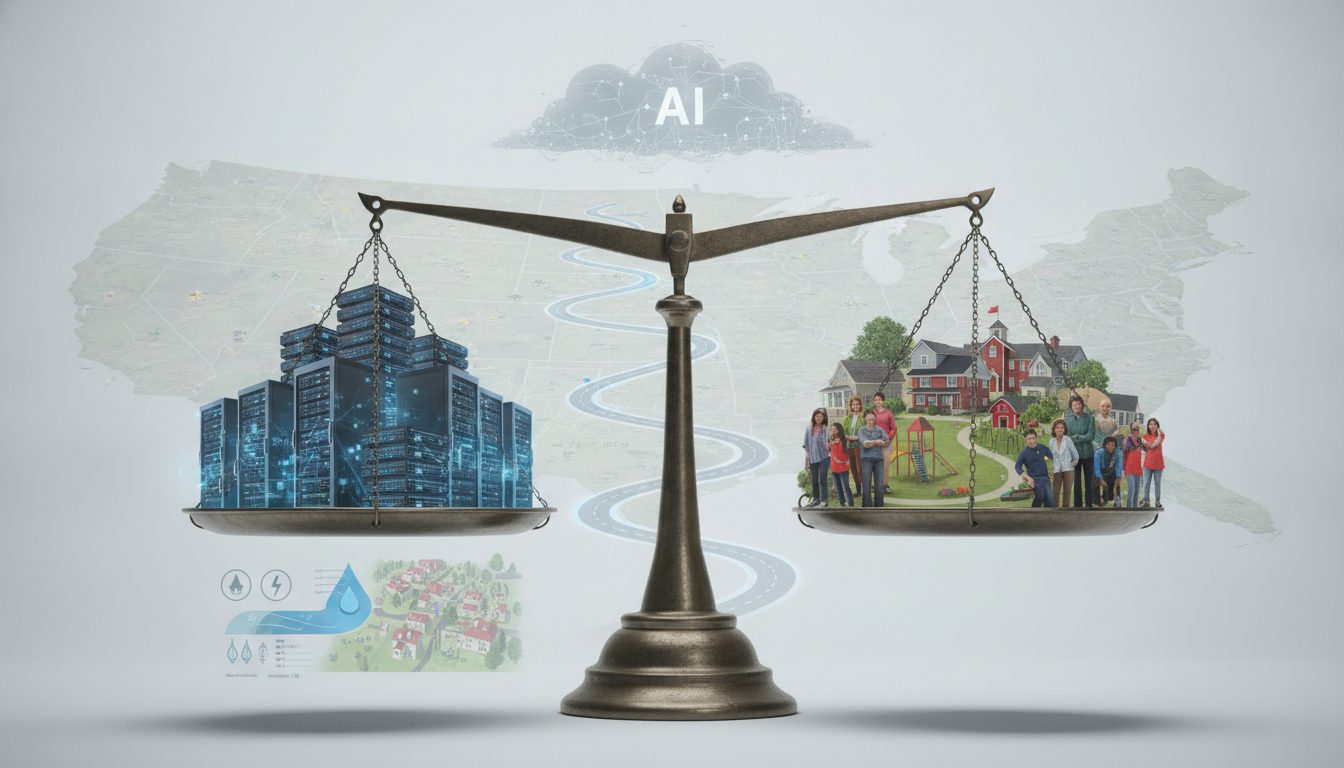
On a recent segment of Fox & Friends, tech contributor Kurt “CyberGuy” Knutsson examined how Americans view the spread of AI data centers as the technology scales at high speed. The conversation spotlighted a growing divide over where these facilities belong, what they consume, and who benefits, a debate that is playing out in towns across the country.
The discussion arrives as AI tools surge into daily life, from customer service to health care, education, and logistics. With that growth comes pressure to build more infrastructure to process and store data. Communities are weighing jobs and tax revenue against strains on power grids, water supplies, and local roads.
Why AI Data Centers Are Multiplying
AI models require heavy computing power. That need is driving a rapid buildout of data centers that house servers, cooling systems, and network gear. These facilities can be the size of warehouses and often cluster near reliable electricity and fiber networks.
Local officials face a hard choice. Many want high-tech investment and new tax bases. Residents, however, are pushing for clear answers on energy use, noise, land impact, and emergency planning.
What Viewers Are Asking
Knutsson noted the mix of interest and concern he hears from the public. Viewers want practical clarity on siting, transparency, and long-term community benefits.
Americans’ stances on AI data centers and the technology’s rapid growth.
That theme framed the segment and reflects a national conversation. People support innovation but want guarantees that projects will be accountable, safe, and fair to host communities.
Local Tradeoffs in Focus
Supporters say these projects can bring construction work, permanent jobs, and new tax revenue. Opponents argue that energy demand could increase utility bills and stress the grid, especially during heat waves. Water use for cooling, traffic from construction, and land conversion are other flashpoints.
- Benefits: jobs, tax receipts, new infrastructure, and potential upgrades to power and fiber lines.
- Concerns: higher electricity demand, water use, noise, truck traffic, and long-term land commitments.
- Requests: clearer impact studies, community benefit agreements, and stronger emergency and noise plans.
Industry Responses and Emerging Practices
Companies building these centers point to efficiency gains, such as improved server utilization and advanced cooling. Some pursue renewable energy contracts, on-site battery storage, and water-saving systems to limit strain on local resources.
Experts also note experiments with heat reuse, where waste heat from servers warms nearby buildings. Dry or hybrid cooling designs can cut water demand, though they may raise electricity use. The right mix depends on local climate and grid capacity.
Policy Choices Taking Shape
City councils and state agencies are setting rules to shape these projects. Zoning updates, noise limits, and design standards are becoming common. In some places, temporary pauses on new data centers give planners time to study power and water needs.
Negotiated agreements can tie approvals to specific benefits. These often include road repairs, workforce training, or funding for parks and public safety. Transparency reports on annual energy and water use are gaining traction with residents who want ongoing oversight.
What Comes Next
Knutsson’s segment reflects a broader shift from hype to homework. Communities are asking for clear data before they sign off. Utilities are planning for new loads while trying to protect reliability and rates. Developers are testing cleaner designs to win public trust.
Several trends will shape the next year. Project sites may cluster near substations and transmission lines to cut delays. Efficiency targets could become permit conditions. Public dashboards could track energy and water use. And more states may standardize siting rules to speed reviews without skipping safeguards.
The debate over AI data centers is now part of daily civic life. The latest discussion highlights a simple tradeoff: growth demands resources, and communities want proof that the benefits flow back. Watch for tighter planning rules, clearer community agreements, and stronger reporting as towns decide which projects move ahead and which do not.

Kirstie a technology news reporter at DevX. She reports on emerging technologies and startups waiting to skyrocket.