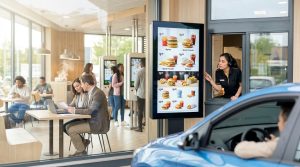

A startup is testing a sharp challenge to delivery platforms by offering restaurant meals at dine-in prices, plus a $1 fee. The offer has drawn DoorDash’s attention and could pressure an industry often criticized for added costs.
Key details remain limited. The startup, its service area, launch date, and DoorDash’s response have not been identified. Still, the pricing claim raises an important question: Can low-cost delivery support drivers, restaurants, and the platform itself?
A Direct Attack on Delivery Markups
Food ordered through an app can cost more than the same meal purchased inside a restaurant. Customers may face higher menu prices, service charges, delivery fees, and tips.
The startup’s proposal removes much of that gap. It promises the restaurant’s dine-in price and adds only one dollar for delivery. That gives customers a clear number before checkout and could appeal to people frustrated by layered fees.
“Delivery for dine-in prices plus a $1 fee.”
The simple pitch also draws a contrast with DoorDash’s marketplace model. Large delivery services connect customers with many restaurants while handling ordering, payment, dispatch, and customer support. Those services create costs that must be covered somewhere.
The Economics Remain Unclear
A $1 delivery fee is unlikely to cover the full expense of a typical trip by itself. Driver pay, insurance, technology, refunds, marketing, and payment processing can all affect the final cost.
The startup may rely on another source of revenue. Possible methods include restaurant commissions, memberships, advertising, limited delivery zones, or grouped orders. However, no funding model was disclosed.
Several questions will determine whether the offer can last:
- How much does each restaurant pay the startup?
- How are drivers paid for time and mileage?
- Does the $1 rate apply during busy periods?
- Are menu prices checked against in-store prices?
- Is the offer temporary or permanent?
Dense delivery areas could help reduce costs because drivers travel shorter distances and may complete more orders each hour. The model may be harder to sustain in suburbs or rural communities, where trips are longer.
Why DoorDash Would Pay Attention
DoorDash has scale, brand recognition, and a large network of restaurants and drivers. A smaller rival may not match that reach, but it can still compete on one issue that customers understand immediately: price.
The startup’s offer may also influence expectations. If diners begin treating dine-in pricing as the standard, larger platforms could face calls to simplify fees or explain price differences more clearly.
Restaurants may welcome a service that helps preserve menu prices. Yet they will also examine commissions, delivery quality, order volume, and access to customer information. A low consumer fee does not guarantee favorable terms for merchants.
Drivers are another central concern. Cheap delivery can attract more orders, but the model must still provide dependable earnings. If low prices depend on reduced driver pay, worker recruitment and service quality could suffer.
Transparency Will Decide Its Credibility
The startup’s claim is easy to market but will require proof. Customers should be able to compare app prices with restaurant menus and see every charge before submitting an order.
DoorDash’s apparent interest signals that even a small competitor can gain notice with a focused pricing strategy. That does not establish that the model is profitable, available at scale, or ready to reshape food delivery.
The next evidence to watch will be expansion plans, restaurant agreements, driver compensation, and any formal response from DoorDash. If the startup can preserve its $1 promise without shifting costs elsewhere, it could push the sector toward clearer and lower pricing. If not, the offer may prove difficult to maintain.

A seasoned technology executive with a proven record of developing and executing innovative strategies to scale high-growth SaaS platforms and enterprise solutions. As a hands-on CTO and systems architect, he combines technical excellence with visionary leadership to drive organizational success.