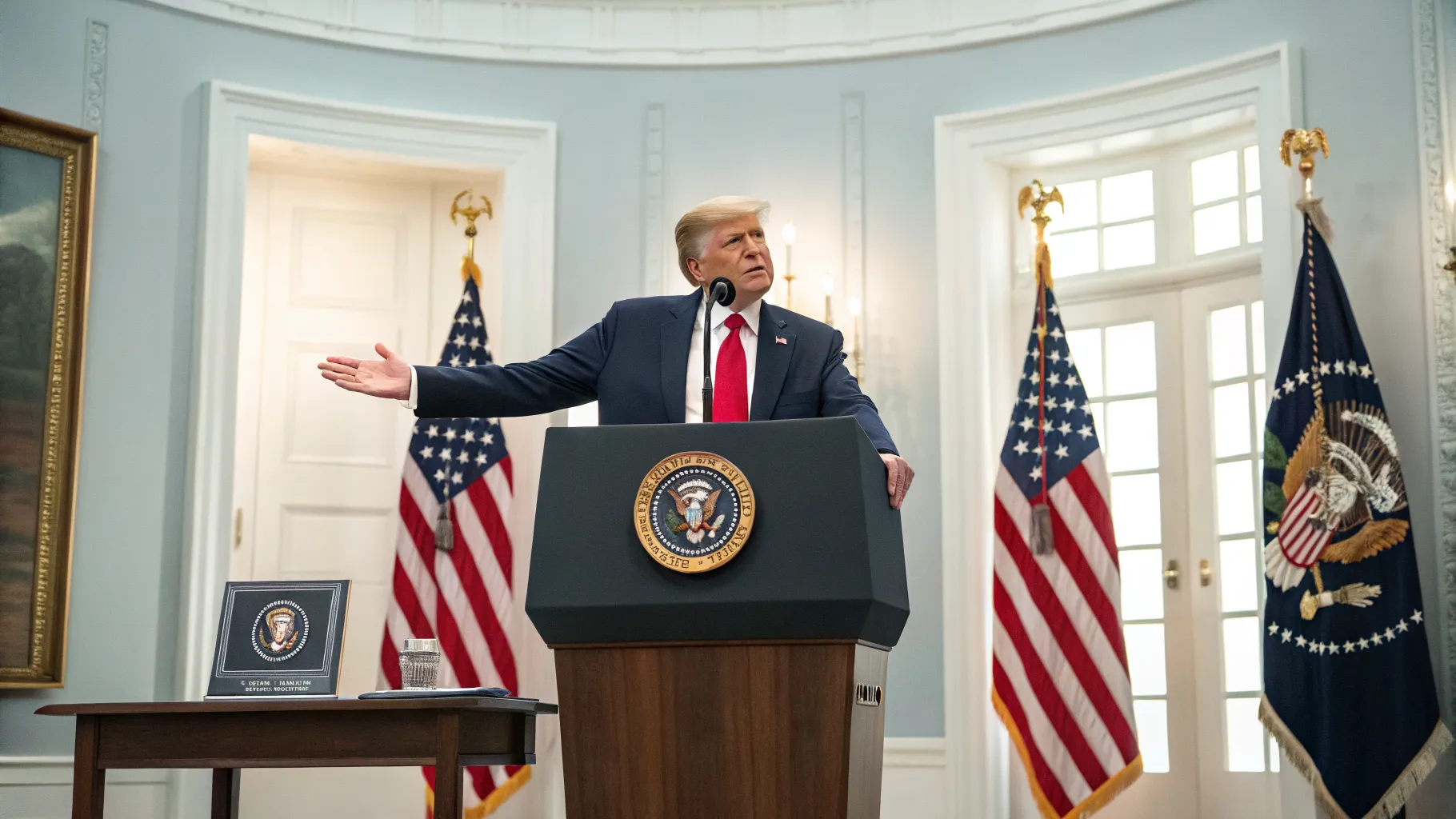
President Donald Trump said Sunday he will not rush into an agreement to end the U.S.-Israeli war with Iran, a day after suggesting a potential accord was close. The shift followed warnings from senior Republican lawmakers, who called a quick deal a “disastrous mistake,” according to reporting by NBC News’ Raf Sanchez.
The remarks add uncertainty to the administration’s diplomatic track at a tense moment. They also highlight the political crosscurrents shaping U.S. policy as allies watch for signs of a cease-fire or a broader framework to de-escalate.
Conflicting Signals From the White House
On Saturday, Trump indicated progress, saying a deal was “largely negotiated.” By Sunday, the message changed. He signaled a slower pace and stressed caution in public remarks.
“We will not rush into a deal,” Trump said Sunday, after GOP leaders warned that moving too fast could be a “disastrous mistake.”
The back-to-back statements suggest active talks, but also internal debate over terms, timing, and enforcement. The administration did not release details about possible provisions or verification measures.
Political Backdrop and GOP Pressure
Senior Republicans urged the president to avoid concessions that could embolden Tehran or strain coordination with Israel. Their concern centers on the risk of a pause that leaves Iran room to regroup or expand regional activities.
Public pressure from congressional allies can shape the scope and speed of any agreement. It also signals the likelihood of oversight demands if the White House proceeds.
- Republican leaders warned against a rapid pact.
- The president emphasized patience less than 24 hours later.
- Congress could push for strict verification and enforcement.
Historical Context Shapes Today’s Choices
U.S. talks with Iran have long been divisive in Washington. The 2015 nuclear deal, known as the JCPOA, lifted some sanctions in exchange for limits on Iran’s nuclear program. The Trump administration withdrew from that deal in 2018, arguing it failed to address missiles and regional activity.
Israel has often urged a harder line on Iran, citing security threats and the need for credible deterrence. Any new framework will face questions that dogged past efforts: inspections, timelines, and snap-back penalties for violations.
What a Deal Could Involve
Officials have not disclosed terms. But typical mechanics in such talks include steps to reduce hostilities, limits on weapons transfers, and third-party monitoring. Sanctions relief, if any, would likely be staged and tied to compliance.
Key sticking points often include ballistic missiles, support for armed groups, and geographic limits on military movements. Israel’s security guarantees and U.S. basing or force posture could also be in the mix.
Allied and Regional Stakes
U.S. partners in Europe and the Gulf watch for clarity. Many favor de-escalation but want firm enforcement to prevent a cycle of pause and relapse. Humanitarian groups, meanwhile, press for access and relief corridors if violence subsides.
Energy markets can swing with signals from Washington, Tehran, and Jerusalem. Even talk of a truce or sanctions changes can move prices and complicate planning for importers and exporters.
Competing Views on Risks and Rewards
Backers of a near-term deal argue that a halt to fighting could save lives and reduce miscalculation. They say structured talks can lock in guardrails and lower the chance of a wider war.
Opponents warn that a weak accord could let Iran claim gains while avoiding real limits. They argue that pressure, not pause, is more likely to change behavior and protect Israeli and U.S. forces.
Trump’s weekend remarks capture the tension: “Largely negotiated” on Saturday, then a pledge not to “rush” on Sunday.
What to Watch Next
Signals to monitor include whether the White House releases draft terms, how Israel frames its red lines, and whether Congress seeks to review any agreement. Verification details will be crucial, including who inspects, how often, and what triggers penalties.
Markets, humanitarian agencies, and regional capitals will read each move for signs of a durable pause or a temporary lull. Mixed messages raise the stakes for careful communication in the days ahead.
For now, the administration has bought time by tapping the brakes. The central question is whether that time yields a tighter deal, a longer fight, or another round of brinkmanship. Clear terms, strong enforcement, and allied alignment will determine which path prevails.

A seasoned technology executive with a proven record of developing and executing innovative strategies to scale high-growth SaaS platforms and enterprise solutions. As a hands-on CTO and systems architect, he combines technical excellence with visionary leadership to drive organizational success.