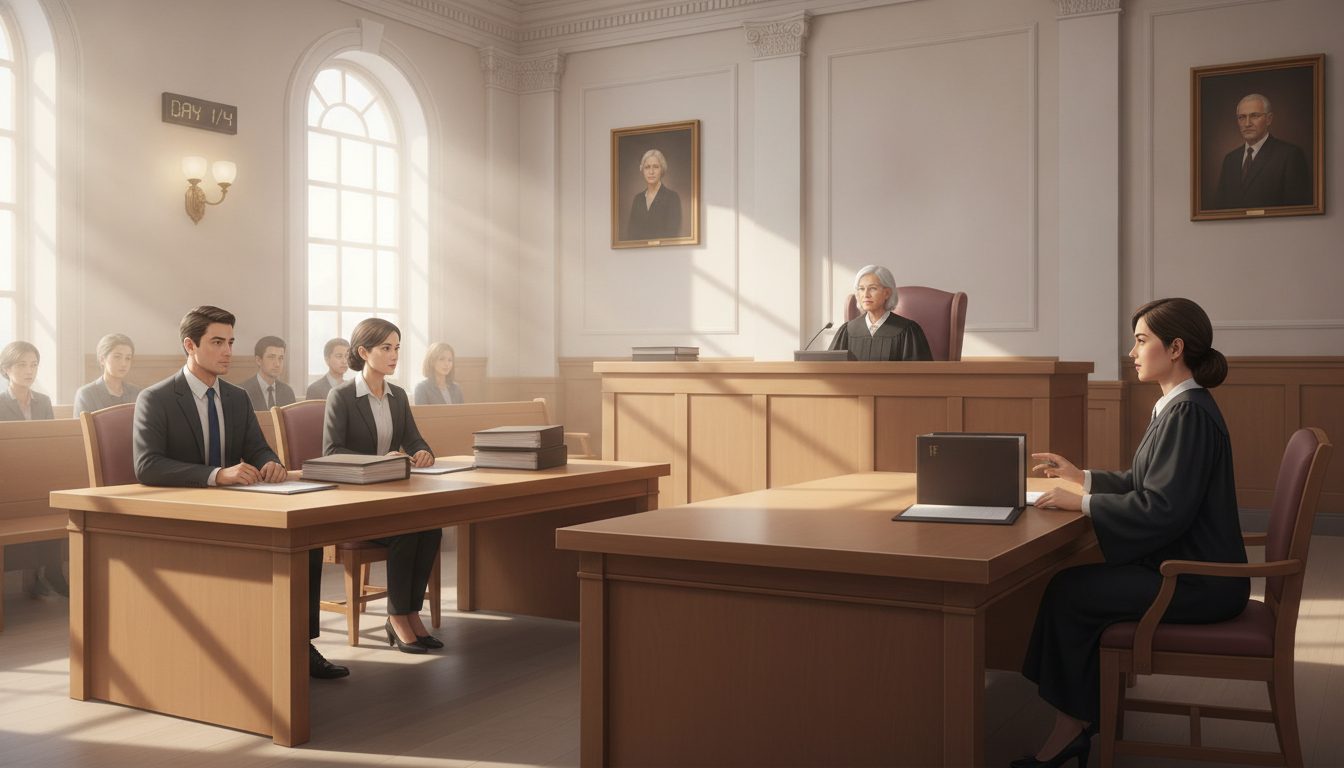
A Los Angeles judge is set to open a preliminary hearing expected to last four days, a proceeding that will mirror a short trial and test the strength of the case.
The hearing, scheduled in a downtown courtroom this week, will determine whether prosecutors have shown enough evidence to move the case to trial. No jury will be present. The judge alone will decide if the charges can proceed.
The preliminary hearing in Los Angeles is expected to last about four days and will look much like an abbreviated trial.
The timing signals a contested fight over the evidence. Lawyers are preparing to examine witnesses, challenge key statements, and argue over what the law allows into the record.
What a Preliminary Hearing Decides
In California, a preliminary hearing is a screening step in felony cases. The legal test is whether there is probable cause to believe a crime was committed and that the defendant committed it.
The standard is lower than the proof needed for a conviction. Prosecutors do not have to prove guilt at this stage. They must show enough reliable evidence to move the case forward.
If the judge finds probable cause, the defendant is “held to answer,” and the case is set for arraignment on an information. If not, charges can be reduced or dismissed.
How the Proceeding Will Unfold
Preliminary hearings are more focused than full trials but include many of the same features. Witnesses testify. Lawyers cross-examine. Rules of evidence apply, though some hearsay exceptions allow certain statements through.
- Prosecutors will call witnesses to outline the events and the alleged role of the defendant.
- Defense counsel will test the evidence, seeking gaps, inconsistencies, or credibility issues.
- The judge may limit or expand testimony based on relevance and time.
Over four days, the court is likely to schedule testimony in blocks, handle objections in real time, and keep the record clean for any future appeals or motions.
Legal Standards and Possible Outcomes
The probable cause standard focuses on reasonable grounds to proceed. It is not a finding of guilt. The judge weighs whether the evidence, if believed, supports the charges.
Outcomes can vary. The court can:
- Hold the defendant to answer on all counts.
- Reduce certain charges if the evidence supports a lesser offense.
- Dismiss one or more counts for lack of evidence.
Either side can seek review through motions, but most disputes continue in the trial court after the hearing.
Context in Los Angeles Courts
Los Angeles County courts handle one of the largest felony dockets in the country. Preliminary hearings are a key filter, shaping which cases reach trial and which resolve earlier through dismissals or plea agreements.
Scheduling a four-day hearing suggests a case with multiple witnesses or complex facts. Longer hearings often involve expert testimony, technical evidence, or disputes over search and seizure. Shorter hearings tend to center on a smaller set of facts and fewer witnesses.
Court calendars remain tight, and judges often press parties to streamline issues. That can lead to deals on minor counts, stipulations on certain facts, or targeted motions to exclude evidence.
What to Watch During the Hearing
Key questions will guide the four days. Which witnesses form the backbone of the state’s case. How credible is their testimony under cross-examination. What physical or digital records support the narrative.
Another factor is how the court treats statements from investigators. California law allows some hearsay through trained officers under specific rules, but judges often scrutinize the reliability of those statements.
Defense strategy can include challenging identification, chain of custody, or the sufficiency of each element of the charged offenses. Even a narrow ruling can reshape the case that goes forward.
What Comes Next
If the judge finds probable cause, the case will move to arraignment on an information, followed by pretrial motions and settlement talks. If key counts are dismissed, prosecutors can reassess their position or seek to refile if allowed by law.
The next steps will depend on how the evidence holds up across the four days. The hearing will define the scope of any future trial and signal the strength of the competing arguments.
For now, all eyes are on the testimony, the rulings on evidence, and the judge’s final decision on whether the charges stand.

Kirstie a technology news reporter at DevX. She reports on emerging technologies and startups waiting to skyrocket.