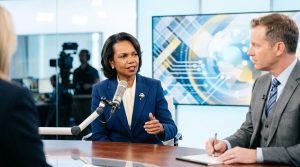
CNN’s new owner, David Ellison, has backed the network’s legal action against the Trump administration over White House access. He also pledged not to interfere with CNN’s journalism, addressing concerns about editorial independence under new ownership.
The position places Ellison behind CNN as it challenges restrictions involving access to the White House. It also signals that the network’s legal and editorial teams will retain authority over coverage of President Donald Trump’s administration.
Legal Fight Centers on Press Access
Access to the White House allows journalists to question senior officials and report directly on presidential decisions. Limits on that access can affect how quickly news organizations verify statements and inform the public.
CNN’s legal action raises a wider issue about the government’s relationship with the press. Although administrations manage credentials and security, those decisions can face scrutiny if they appear tied to a news outlet’s reporting.
Courts have considered similar conflicts before. In 2018, CNN sued the Trump administration after the White House suspended correspondent Jim Acosta’s press credential. A federal judge ordered the credential restored while the case proceeded, citing concerns about the process used to remove it.
The current dispute again puts press access and government accountability at the center of CNN’s relationship with the administration. The outcome could influence how other media companies respond to access restrictions.
Ellison Promises Editorial Independence
Ellison’s support carries added weight because leadership changes often create questions about a newsroom’s direction. Owners can shape budgets, appoint executives and set broad business goals, even when they do not make daily editorial decisions.
His stated position includes two clear commitments:
- Support CNN’s legal challenge over White House access.
- Avoid interference in the network’s news coverage.
Those promises may reassure CNN journalists and viewers who are watching for changes under the new owner. They also place public expectations on Ellison. Future decisions involving staffing, legal spending or political coverage will be measured against his pledge.
Support for the lawsuit does not establish how CNN will cover every administration dispute. It does, however, indicate that ownership views access as an institutional matter rather than a conflict that should be avoided for business reasons.
High Stakes for CNN and the Administration
For CNN, the case is about more than entry to presidential events. A victory could reinforce procedural protections for journalists facing government restrictions. A loss could give the White House greater room to control which organizations receive direct access.
The administration may argue that officials need authority to manage security, conduct and limited space. News organizations, however, can contend that those powers must be applied fairly and cannot become punishment for critical reporting.
Ellison’s noninterference pledge will also face practical tests. Editorial independence depends not only on public statements, but also on stable newsroom leadership and consistent support during legal or political pressure.
For now, CNN has received clear backing from its new owner in a dispute with the White House. The next developments to watch are the administration’s legal response, any court rulings on access, and whether Ellison maintains the separation he has promised between ownership and journalism.

Kirstie a technology news reporter at DevX. She reports on emerging technologies and startups waiting to skyrocket.