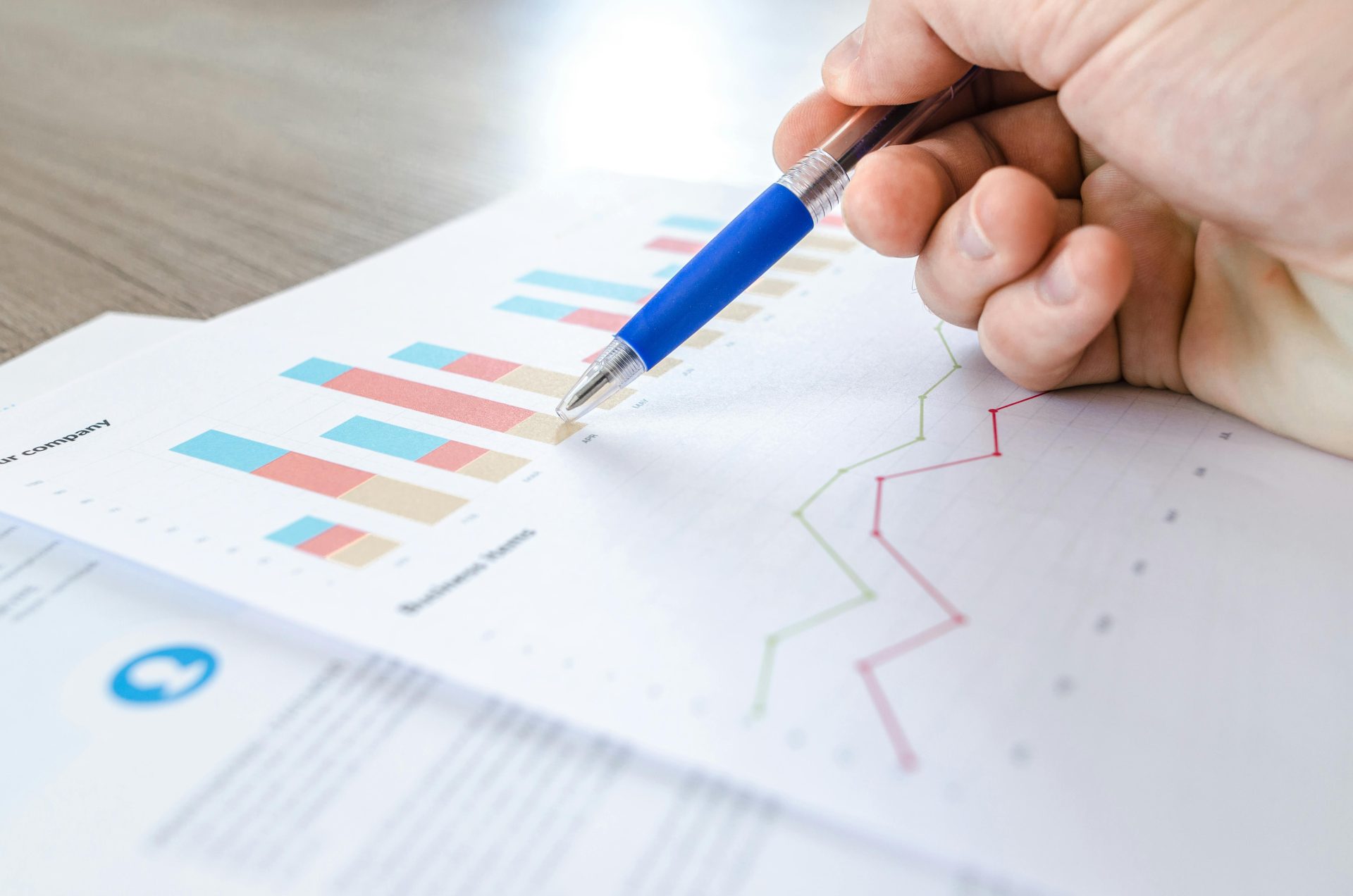
Data and analytics have impacted most industries in the past decade. The ability to gather, organize, and analyze data to create detailed insights has revolutionized business activities, resource allocation, and growth initiatives.
One area of analytics that is becoming increasingly important is predictive analytics. Here is a brief breakdown of the term, as well as its variations and importance across the business world.
What Is Predictive Analytics?
On a basic level, predictive analytics is a simple concept. It refers to the use of data analysis to predict the likelihood of future behavior.
Harvard Business School points out that this is one of four different uses of analytics. The other three — descriptive, diagnostic, and prescriptive — address past events and, at best, possible future business activity. In contrast, predictive analytics attempts to define what future behaviors will actually be.
Different Kinds of Predictive Analytics
Predictive analytics has its own sub-categories.
- Collaborative filtering is the concept of analyzing user behaviors to predict future behaviors on an individual level. It is how streaming services offer suggestions tailored to a user’s past viewing history and personal preferences.
- Clustering models are less focused on the individual and more interested in categorizing consumers based on certain attributes. These typically align with certain product-based features or behavioral actions.
- Time-series modeling is frequency focused. It uses specific time-based sequences to identify data patterns that could indicate trends. This enables companies to predict things like busy seasons or low demand for a certain product at a specific time of the year.
Predictive analytics offer businesses a detailed snapshot of the future. While they aren’t perfect, the increasing sophistication of analytics tools makes them a powerful way to learn about a company’s customer base and guess what they’ll do next with relative confidence.
What Does Predictive Analytics Look Like in Action?
Predictive analytics may make theoretical sense on paper, but what does it look like in action? Here are a few examples of how this unique application of analytics can revolutionize different industries.
Predictive Analytics in Marketing
Marketing is a numbers game. From clickthroughs to calls to action, every marketer wants to establish conversions and then track them for effectiveness. Predictive analytics makes it easier not just to track existing marketing efforts but to set realistic goals for future promotional endeavors by leveraging data to create predictive audiences. These audiences are segmented groups based on likely future behavior, allowing businesses to target ads and campaigns more precisely.
Businesses use predictive analytics to create marketing insights that guide how to allocate resources for individual marketing initiatives. If something performed well in the past and has a solid chance to do so again in the future, it will attract a bigger budget.
This also applies to sales. For example, companies often use lead-scoring systems to evaluate prospects. These are built on past data and help predict the likelihood that a candidate will be more or less valuable to a company’s goals.
Predictive Analytics in Banking
The financial sector is another area that benefits from predictive analytics. For example, Principal Business Analyst for Veripark, Farha Samreen, highlights the ways banks can use historical data to forecast future borrower behavior. When a borrower asks a bank or other financial institution for a loan, the lender can look at past data, including:
- Levels of overall debt.
- Payment history.
- Economic indicators (such as employment history for a mortgage).
Predictive analytics models use this data to predict future behavior and rank potential borrowers. This reduces the likelihood of a borrower defaulting on a loan and can help financial institutions reduce risk.
Predictive Analytics in Supply Chain
The supply chain is massive, complex, and always in motion. This makes it an ideal candidate for predictive analytics as a way to avoid bottlenecks and unnecessary delays as goods move from point A to point B.
IBM highlights how it has helped the supply chain enterprise FleetPride overcome supply chain concerns using predictive analytics solutions. The insights give managers accessible and up-to-date information across operations. This produces more informed decisions that can use past behavior to predict future outcomes across supply chain activity.
Leveraging the Power of Predictive Analytics
Predictive analytics is more than a way to help streamers identify the next entertainment option they would statistically enjoy the most. It is a powerful tool that is revolutionizing behavior across industries and disciplines.
From marketing to sales, banking to supply chain, the ability to collect and analyze past data and then use it to predict future outcomes is helping companies increase their capabilities, avoid waste, and reduce risk. The fledgling nature of predictive analytics (and the analytics industry as a whole) also means there are plenty of untapped potential and unknown opportunities to optimize businesses, helping them streamline operations and boost profitability moving forward.