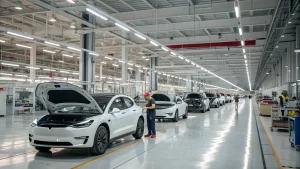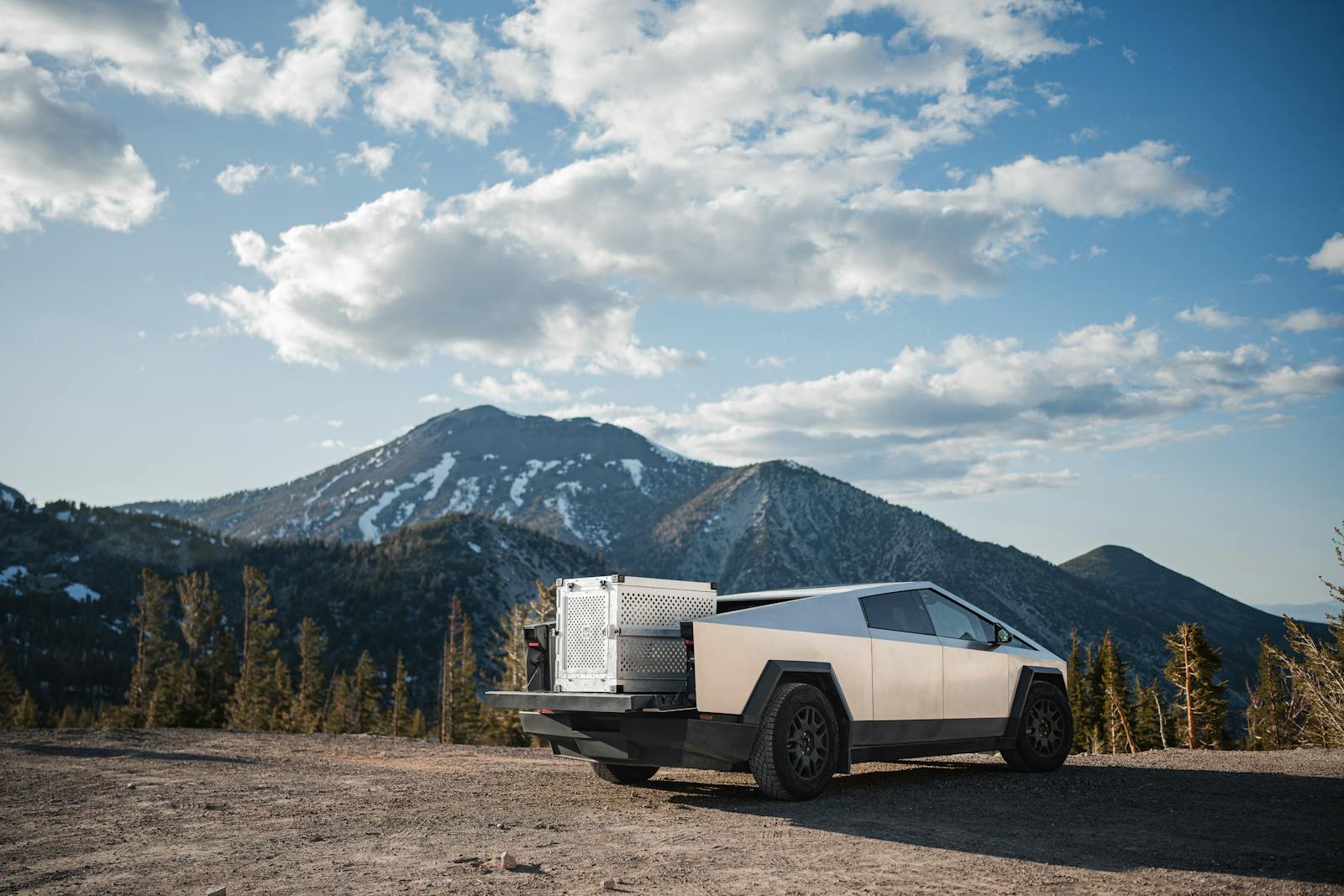
The automotive industry is undergoing a significant shift as vehicles become increasingly software-defined and powered by artificial intelligence (AI). A recent study by IBM, titled “Automotive 2035,” predicts that by 2035, 80% of new cars will feature some form of electrified powertrain, and 74% of surveyed executives believe that vehicles will be predominantly software-defined and AI-powered. The study, based on interviews with 1,230 senior executives from automotive original equipment manufacturers (OEMs), suppliers, and associated industries across nine countries, highlights the erratic transition the industry faces as it moves away from traditional products and business models.
One of the key changes is the shift in the auto industry’s revenue model, moving from one-time car sales to a recurring revenue model focused on digital services and products. As the industry gears up to deliver more personalized user experiences through enhanced digital capabilities, the allocation of research and development (R&D) budgets is expected to change significantly. Currently, only 21% of R&D budgets are allocated to software and digital development, but respondents expect this figure to nearly triple to 58% by 2035.
However, the study also identifies several challenges that the industry must overcome to successfully navigate this transformation.
Ibm projects shift in auto industry
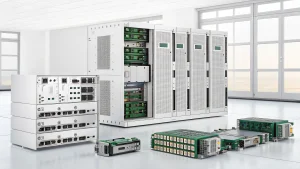
One major hurdle is the outdated approach to vehicle architecture, where software for different domains, such as brakes and airbags, is delivered through separate electronic control units (ECUs).
This method is no longer sustainable for the software-defined vehicle (SDV) era. “To create cars that are truly digital products, automakers require a complete overhaul of their current electrical and software architectures. The separation of software and hardware remains a substantial technical challenge,” the study revealed.
Moreover, 77% of senior executives cited a lack of software development tools and methodologies as a significant obstacle, while 74% highlighted that a strong mechanically-driven culture is hindering the switch to a software-driven product development approach. As the automotive industry navigates these transformative changes, the study provides a roadmap, emphasizing the need for innovation in both technology and business practices to meet the demands of the future. The shift towards software-defined and AI-powered vehicles is expected to revolutionize the way we interact with and experience transportation, paving the way for a more connected, personalized, and sustainable future.

Noah Nguyen is a multi-talented developer who brings a unique perspective to his craft. Initially a creative writing professor, he turned to Dev work for the ability to work remotely. He now lives in Seattle, spending time hiking and drinking craft beer with his fiancee.