There are many key reasons why turning your rented apartment into a “smart” living space is a good idea. Not only is it convenient, but it can also significantly improve your security and overall energy efficiency. With the advancements in smart technologies, it has become easier than ever for renters to add smart features without making any major structural amendments.
If you’re considering adding smart features to your home, reviewing the costs involved is essential. This can include inexpensive factors such as replacing light bulbs with the more costly whole-apartment automation. This post looks at a few of the more common costs of turning your apartment into a smart space.
Understand Your Renter’s Insurance
While a fully automated living space may be your ultimate living space goal, it’s always a good idea to start small. The first step should always be to assess whether your renter’s insurance will cover your personal electronics, as this will help you decide about the types of features you want to install. Knowing what type of damage you’re covered against will highlight the types of features you can install or charge your electronic appliances with.
Start Small
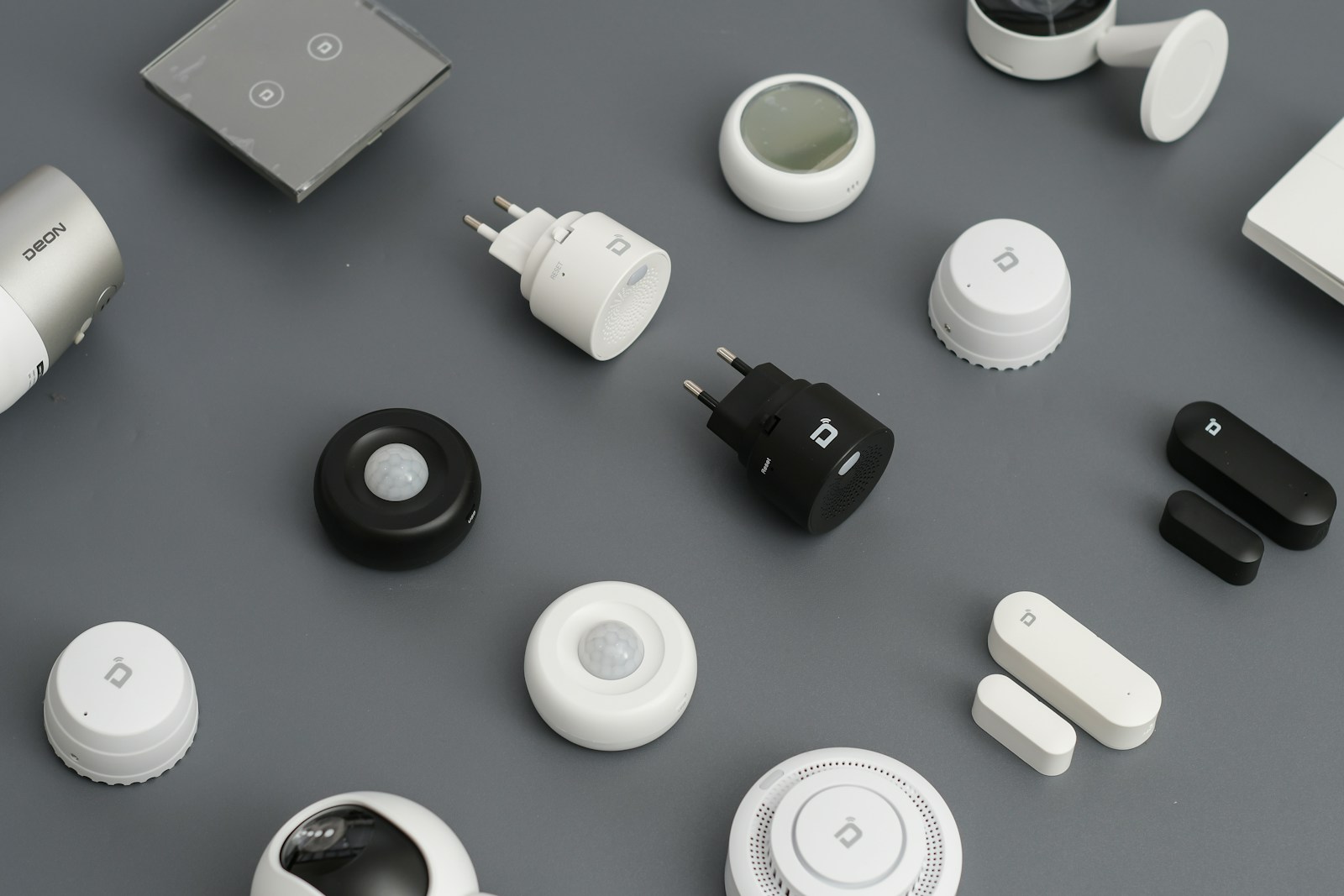
The next step in adding smart features to your apartment should always be to start small. This can be done by installing smart plugs, smart light switches, and smart heating thermostats. Costs here will vary depending on the type and quantity that you’re opting for. Typically, you can look at paying anything between $200 and $500 for these basic amendments.
A few of the more common benefits of adding smart lighting to your apartment include the following:
- Energy efficiency
- Controlled flexibility (control your lights remotely or via a keypad)
- It can be integrated with your smart security system
Invest in Mid-Range Smart Features
As a renter, installing features that you can easily remove when you eventually move out makes logical sense. This often includes items such as smart speakers, security cameras, and smart door locks. These upgrades are typically referred to as mid-range smart home setups and can easily set you back anything between $500 and $1.500. Keep in mind that this will also vary depending on the size and type of features you want to add.
Check for Rebates and Incentives
Another top factor to consider when you’re shortlisting potential smart features to add is the potential rebates or incentives you may qualify for. Rebates are typically offered on smart appliances and lighting because they are designed to be energy efficient. Reducing your energy consumption also helps the government show a reduction in their overall costs hence the eagerness to incentivize.
Always check what types of incentives and rebates you may qualify for. For instance, qualifying smart thermostats can see you earning a rebate ranging between $30 to $100. Saving money in this way makes it easy for you to cover the cost of nice-to-haves such as smart vacuum cleaners.
Always Include the Security System
The number one aspect of the smart home feature that many home and apartment dwellers find appealing is the access to advanced security. As with the other features in your smart setup, the price you pay will depend on the type, brand, and complexity of your security system.
Typical components of a smart security system include the following:
- Entry sensors: Detect when windows or doors are opened.
- Motion sensors: Notify you when movement is detected in your apartment. Cheaper, more basic motion sensors can start at $20 and reach up to $100 per sensor.
- Smart locks: Allows you to lock and unlock your doors using an app on your smartphone or tablet. Smart locks without installation start at $100 and can reach as high as $400, depending on brand and model.
- Security cameras: Enables you to see live footage (on your smartphone) of your property even when you’re not at home. Basic indoor cameras can start at $30 for a basic indoor camera to over $200 for more complex systems.
- Smart doorbells: Allows you to use your smartphone or tablet to see who is at your door no matter where you are. Costs start at $100, while installation can range between $150 and $650.
There are many advantages to installing a smart security system in your apartment. Experts recommend speaking to smart security installers for package deals that may be more cost-effective. These can also be customized to suit your specific needs.
Final Thoughts
Experts recommend that you start your smart living space automation by reviewing what you’re allowed to install in your rental space. Start this process by reviewing what smart features you need and how much they cost. Starting small will not only make the process more affordable but will also add to the convenience and simplicity of your space. Rebates and incentives are an excellent way to offset future smart additions.
Photo by Fajrul Islam on Unsplash

Kyle Lewis is a seasoned technology journalist with over a decade of experience covering the latest innovations and trends in the tech industry. With a deep passion for all things digital, he has built a reputation for delivering insightful analysis and thought-provoking commentary on everything from cutting-edge consumer electronics to groundbreaking enterprise solutions.