A federal appeals court has ruled that art created by artificial intelligence without human involvement cannot be copyrighted. The decision reaffirms the necessity of a human creator in granting copyright protections. The case involved a digital artwork generated solely by an AI system, with no direct human input.
The court held that the absence of a human author means the work cannot be granted copyright protection. Blake Brittain, reporting from Washington, stated that the statutory definition of a “work of authorship” under the Copyright Act necessitates human creation. This decision follows a similar stance previously taken by the US Copyright Office.
The ruling has sparked debate within the tech and creative communities. Proponents of AI argue that the technology’s capabilities are blurring the lines between human and machine creativity. However, legal experts maintain that current copyright laws are based on the concept of human authorship.
The decision has implications for artists, developers, and tech companies investing in AI-generated content.
Ai-created art denied copyright protection
While AI can be a powerful tool for creativity, the legal framework will continue to recognize the role of human ingenuity in the creation of copyrighted works.
This ruling is likely to influence future legislation and policies regarding AI and intellectual property, as lawmakers and courts navigate the complexities introduced by emerging technologies. The case in question involved computer scientist Stephen Thaler, whose Creativity Machine created the painting “A Recent Entrance to Paradise” in 2012. Thaler sought copyright protection for the artwork, but the US Copyright Office denied his application, stating that the work lacked the necessary human authorship.
Thaler appealed the decision, but the federal appeals court upheld the Copyright Office’s ruling. The three-judge panel emphasized that only humans could be considered authors under the Copyright Act of 1976. The court pointed out that the Copyright Office has historically allowed the registration of works made by human authors who use AI, but Thaler’s registration listed the Creativity Machine as the painting’s sole author.
Thaler’s lawyer, Ryan Abbott, expressed disappointment with the decision and indicated plans to appeal the case further. Abbott noted the ambiguity over the threshold for human involvement in AI-assisted creations and acknowledged that the case has drawn public attention to critical policy issues concerning AI and intellectual property. As AI technology continues to evolve, the debate over its role in authorship and intellectual property rights is likely to remain a contentious issue, raising important questions about the future of creativity and innovation in a digital age.
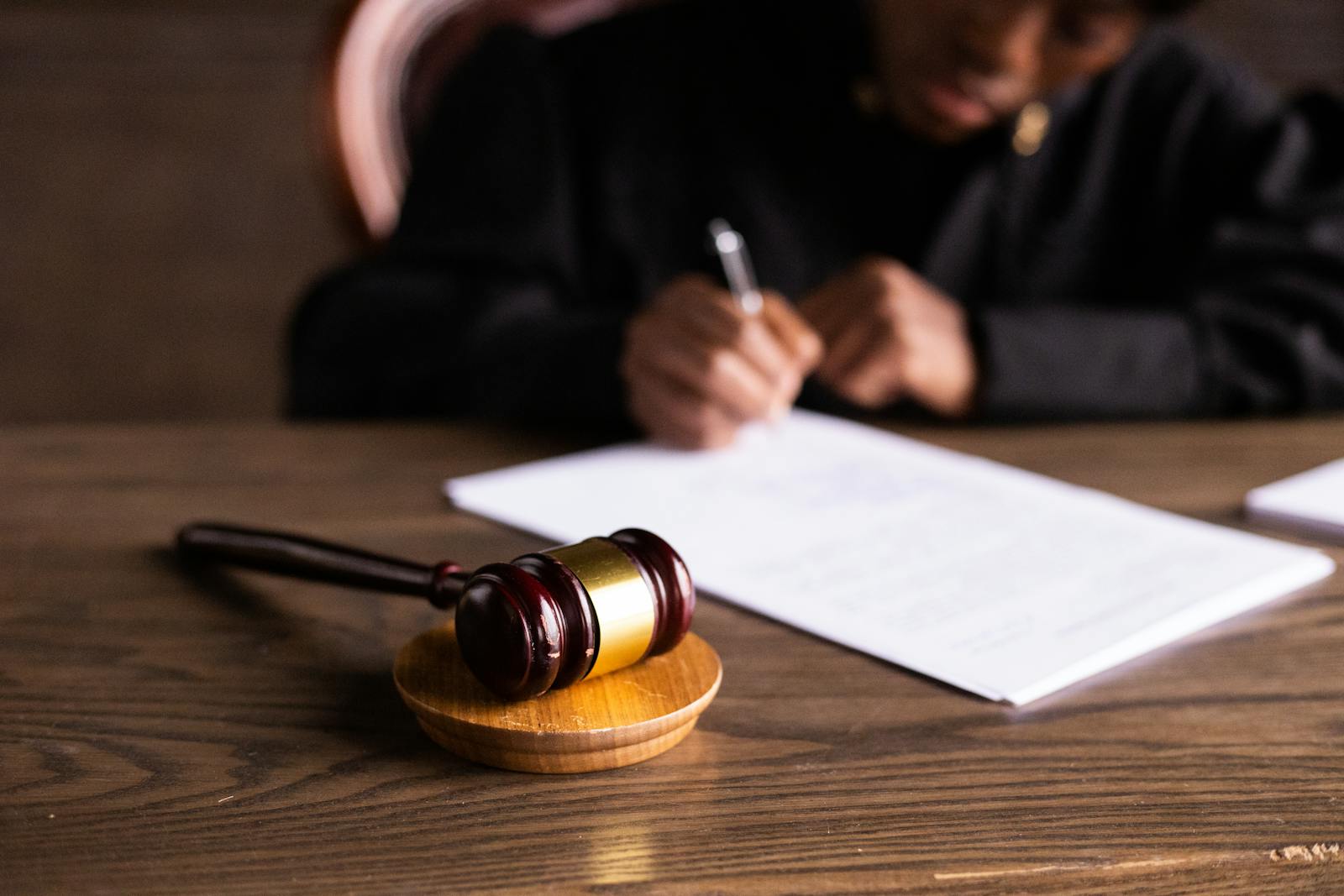
Image Credits: Photo by KATRIN BOLOVTSOVA on Pexels

Cameron is a highly regarded contributor in the rapidly evolving fields of artificial intelligence (AI) and machine learning. His articles delve into the theoretical underpinnings of AI, the practical applications of machine learning across industries, ethical considerations of autonomous systems, and the societal impacts of these disruptive technologies.