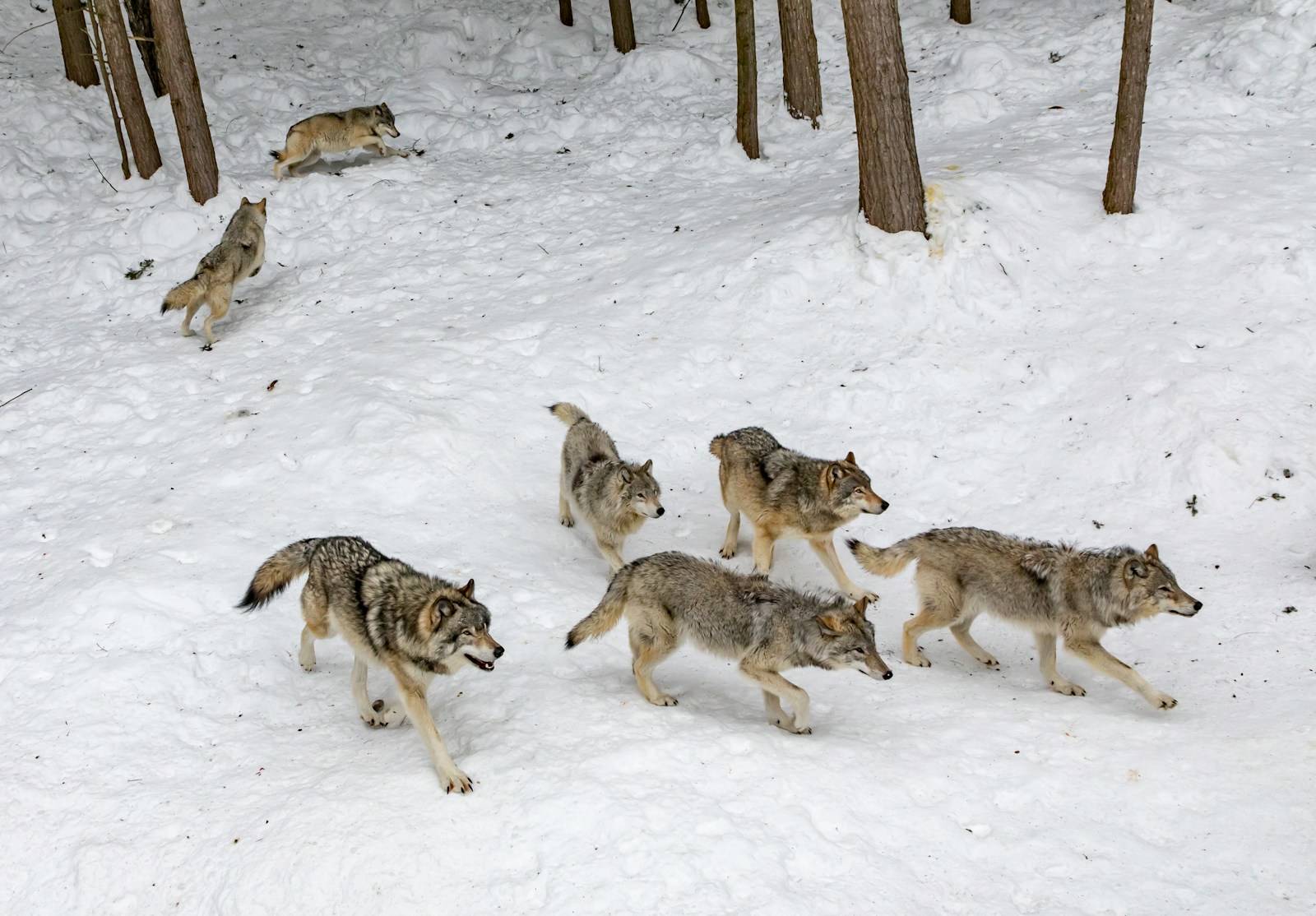
The well-preserved remains of 14,000-year-old wolf cubs were found in northern Siberia. They may not be early domesticated dogs as previously thought. The “Tumat Puppies” were discovered in 2011 and 2015 near the village of Tumat.
The cubs, still covered in fur, were naturally preserved in ice. Their last meal was still visible in their stomachs. It included meat from a woolly rhinoceros and feathers from a small bird called a wagtail.
The new research suggests these animals were two-month-old wolf pups. The findings provide a detailed look into the lives of ice age animals. The cubs, believed to be sisters, show no signs of injury or attack.
This indicates they died suddenly in a den collapse over 14,000 years ago. Researchers speculate that a landslide may have caused the collapse. Lead study author Anne Kathrine Wiborg Runge expressed amazement at the discovery.
“It was incredible to find two sisters from this era so well preserved. It’s even more remarkable that we can now tell so much of their story, down to the last meal that they had,” she said. Analyses of the wolf pups’ gut contents revealed that they consumed both meat and plants.
This is similar to modern wolves. Their last meal, a piece of woolly rhino skin with fur, was only partially digested.
Ice age wolf pups unearthed
This suggests they died shortly after returning to their den. The color of the hair on the rhino skin was consistent with that of a juvenile woolly rhino. “This suggests that the wolves were perhaps bigger than those we see today,” said Dr.
Nathan Wales, senior lecturer in archaeology at the University of York in England. The mummified remains, uncovered in thawing permafrost at the Syalakh site, provide a glimpse into the ancient environment. The plant remains found fossilized in the cubs’ stomachs indicate they lived in a somewhat mild environment.
It supported diverse vegetation like prairie grasses, willows, and shrubs. The study also contributes to the broader understanding of canine evolution and the origins of domestication. It is still a matter of debate as to when and how dogs became part of human society.
Dr. Linus Girdland-Flink, a lecturer in biomolecular archaeology at the University of Aberdeen, commented on the study. He emphasized the ongoing challenges in pinpointing the moment of dog domestication.
“When we’re talking about the origins of dogs, we’re talking about the very first domesticated animal, which requires solid evidence for such claims,” he said. While the Tumat Puppies were not the early domesticated dogs researchers initially thought, they have provided invaluable insights. They shed light on the life of ice age wolves and the environment they lived in.
This discovery underscores the complexity of the domestication process and the rich stories that ancient remains can tell. “We may never answer all the questions about how and when dogs became man’s best friend,” Runge said, “but each discovery, like the Tumat Puppies, brings us one step closer to understanding our shared history.”

Rashan is a seasoned technology journalist and visionary leader serving as the Editor-in-Chief of DevX.com, a leading online publication focused on software development, programming languages, and emerging technologies. With his deep expertise in the tech industry and her passion for empowering developers, Rashan has transformed DevX.com into a vibrant hub of knowledge and innovation. Reach out to Rashan at [email protected]