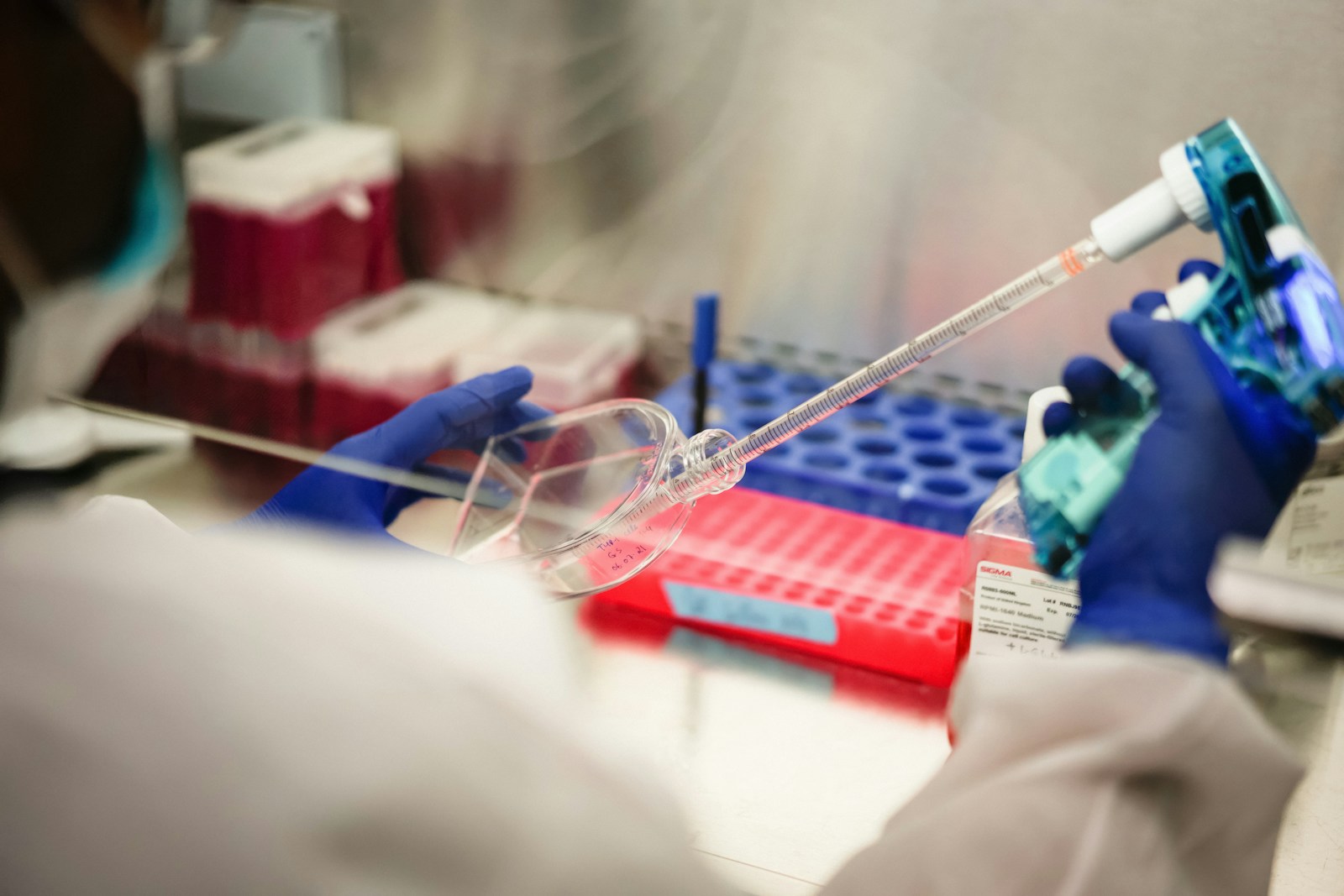
A team of researchers led by MIT has created a new artificial intelligence system that maps cellular behavior within tissues, potentially transforming how scientists understand cell heterogeneity. The system, called CellLENS, builds digital profiles of individual cells by identifying previously hidden patterns in their behavior.
The collaborative project focuses on developing technology that can analyze how cells function within their natural tissue environment. This advancement could significantly impact cancer immunotherapy research by providing more detailed information about cellular interactions and variations.
How CellLENS Works
CellLENS uses artificial intelligence to detect and analyze patterns in cell behavior that have been difficult to observe with conventional methods. The system creates comprehensive digital profiles of individual cells, allowing researchers to examine cellular characteristics with greater precision.
The technology maps cells within their tissue context, providing spatial information alongside behavioral data. This combination gives scientists a more complete picture of how cells function in their natural environment rather than in isolation.
Implications for Cancer Research
Understanding cell heterogeneity—the variations among cells within the same tissue—represents a critical challenge in cancer research. CellLENS addresses this challenge by providing detailed information about individual cells and their relationships to surrounding tissue.
Cancer immunotherapy, which harnesses the body’s immune system to fight cancer, stands to benefit significantly from this research. By better understanding the diverse cellular landscape within tumors, researchers may develop more targeted and effective immunotherapy approaches.
“Cell heterogeneity is a fundamental aspect of tissue biology that we need to understand better for developing effective cancer treatments,” explained one of the researchers involved in the project. “CellLENS gives us a new lens through which to view this complexity.”
Technical Innovations
The MIT-led team incorporated several technical innovations in developing CellLENS:
- Advanced pattern recognition algorithms that identify subtle cell behaviors
- Integration of spatial and functional data to create comprehensive cell profiles
- Machine learning techniques that improve analysis accuracy over time
These innovations allow CellLENS to detect patterns that might be missed by human researchers or less sophisticated analysis methods. The system processes large datasets to identify correlations and relationships between cellular characteristics.
Future Applications
While cancer immunotherapy represents an immediate application for CellLENS, the technology has potential uses across biological research. The ability to create detailed digital profiles of cells could advance understanding of developmental biology, neuroscience, and immunology.
The research team plans to make the technology available to other scientists, potentially accelerating discoveries across multiple fields. As more researchers use the system, its database of cellular profiles will grow, creating an increasingly valuable resource for the scientific community.
The development of CellLENS highlights how artificial intelligence continues to transform biological research. By revealing previously hidden patterns in cellular behavior, this technology may help scientists answer fundamental questions about how tissues function in both health and disease.
The collaborative nature of the project, involving researchers from multiple institutions alongside MIT, demonstrates the increasing importance of interdisciplinary approaches in solving complex biological problems. As the technology develops further, it may provide even deeper insights into the complex world of cellular biology.

Kirstie a technology news reporter at DevX. She reports on emerging technologies and startups waiting to skyrocket.