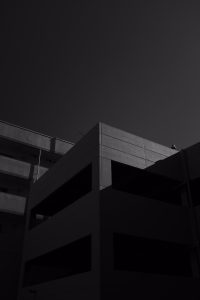
A distinctive prefabricated cabin called “The Nest” has been unveiled by Daria Sheina Studio, featuring a striking architectural design characterized by interlocking cuboid volumes. Located in a remote wilderness area, the cabin serves as a secluded retreat for its owners while operating completely off the electrical grid.
The architectural design stands out for its geometric approach, with multiple cube-like structures that connect to create a unified living space. This modular design not only creates visual interest but also likely facilitated the prefabrication process, allowing for easier transport and assembly in its isolated location.
Off-Grid Capabilities
The Nest represents a growing trend in sustainable, self-sufficient housing solutions. By functioning entirely off-grid, the cabin demonstrates how modern amenities can be maintained without connection to traditional utility infrastructure. This independence makes it possible to build in remote locations that would otherwise be impractical for conventional construction.
While specific details about the energy systems weren’t disclosed, typical off-grid homes utilize a combination of solar panels, battery storage, rainwater collection, and efficient waste management systems to maintain comfortable living standards without external connections.
Natural Integration
According to information about the project, The Nest was specifically designed to provide its owners with a quiet escape surrounded by natural beauty. The cabin’s placement within its wilderness setting appears intentional, creating a private sanctuary where occupants can disconnect from urban environments.
The relationship between the built structure and its natural surroundings seems to be a central aspect of the design philosophy. Rather than dominating the landscape, the cabin appears to be positioned to maximize views and create a sense of immersion in the wilderness.
Prefabrication Advantages
As a prefabricated structure, The Nest highlights several advantages of this construction method, particularly for remote locations:
- Reduced on-site construction time and disruption to the natural environment
- Quality control through factory assembly of components
- Potentially lower construction costs compared to traditional on-site building
- Ability to place housing in locations that would be challenging for conventional construction
The cuboid design language likely also serves practical purposes in the prefabrication process, creating modular components that can be manufactured efficiently and transported to the site.
Daria Sheina Studio’s creation represents an intersection of architectural innovation, environmental consciousness, and the growing desire for spaces that allow people to disconnect from urban environments while maintaining comfort. The Nest demonstrates how thoughtful design can create living spaces that exist in harmony with remote natural settings while providing modern amenities through self-sufficient systems.
As housing costs rise in urban centers and remote work becomes more common, projects like The Nest may point toward alternative living arrangements that balance isolation and comfort through innovative design and technology.

Rashan is a seasoned technology journalist and visionary leader serving as the Editor-in-Chief of DevX.com, a leading online publication focused on software development, programming languages, and emerging technologies. With his deep expertise in the tech industry and her passion for empowering developers, Rashan has transformed DevX.com into a vibrant hub of knowledge and innovation. Reach out to Rashan at [email protected]