Apple has reached the halfway point in its ambitious journey toward achieving net-zero carbon emissions by 2030, but the tech giant is encountering significant obstacles that threaten to derail its environmental goals. The company’s progress is being hampered by suppliers who are either moving too slowly or refusing to adopt greener practices, creating a substantial roadblock in Apple’s supply chain transformation.
As the 2030 deadline approaches, Apple must navigate a complex landscape of challenges that extend beyond resistant suppliers. The company is simultaneously grappling with disruptions from international tariffs and an intensifying artificial intelligence race that could potentially conflict with its sustainability objectives.
Supply Chain Challenges
The most pressing issue for Apple appears to be within its extensive global supply network. While the company has made substantial progress in reducing its direct carbon footprint, it relies heavily on hundreds of manufacturing partners to produce its devices. Many of these suppliers are not matching Apple’s pace in transitioning to renewable energy and implementing carbon reduction measures.
Some suppliers have been categorized as “hold-outs” – companies that have shown resistance to adopting the necessary changes to reduce emissions. This reluctance creates a significant barrier for Apple, as the company’s overall carbon footprint is largely determined by its supply chain operations.
Industry analysts note that smaller suppliers in particular face financial and technical hurdles in meeting Apple’s environmental standards. The investments required for renewable energy infrastructure and manufacturing process changes can be prohibitive for companies operating on thinner margins than the tech giant itself.
Tariff Complications
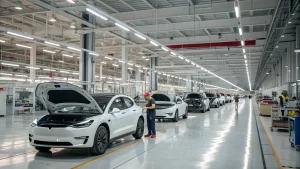
Adding to these challenges is what insiders describe as a “tariffs scramble.” International trade tensions and changing tariff structures are forcing Apple to reconsider aspects of its manufacturing and supply chain strategy. The company has been working to diversify production beyond China, but these shifts come with their own environmental implications.
Relocating manufacturing operations can lead to temporary increases in emissions during transition periods. New facilities may not immediately have access to the same renewable energy infrastructure that Apple has helped develop in its established manufacturing hubs. This balancing act between responding to trade pressures and maintaining environmental progress presents a dilemma for the company.
The AI Dilemma
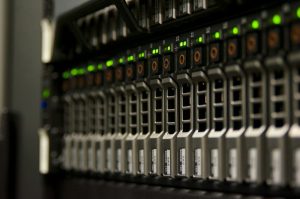
Perhaps most concerning for Apple’s environmental goals is the industry-wide race to develop and deploy artificial intelligence technologies. As major tech companies pour resources into AI development, the energy demands associated with training and running these systems have skyrocketed.
AI systems require massive computing power, which translates to significant energy consumption. While Apple has been more measured in its AI approach compared to some competitors, the company is now accelerating its efforts to avoid falling behind in this crucial technology arena.
This creates a direct tension with environmental objectives. The computing resources needed for competitive AI development could substantially increase Apple’s energy requirements at a time when the company is trying to reduce its overall footprint.
Environmental experts point to three key concerns regarding AI and sustainability:
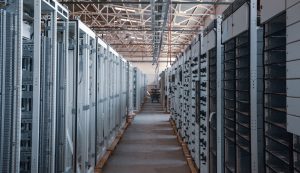
- Data centers for AI require enormous amounts of electricity
- Water usage for cooling these facilities can strain local resources
- The rapid obsolescence of AI hardware creates additional electronic waste
Apple has not publicly addressed how it plans to reconcile these competing priorities, though the company has invested heavily in renewable energy for its data centers and corporate facilities.
Despite these challenges, Apple maintains that it remains committed to its 2030 net-zero goal. The company has made notable progress in several areas, including using recycled materials in its products and powering its corporate operations with renewable energy.
As the deadline approaches, industry observers will be watching closely to see if Apple can overcome these obstacles or if it will need to adjust its timeline. The outcome will likely influence how other major corporations approach their own environmental commitments in the face of similar pressures.

Kirstie a technology news reporter at DevX. She reports on emerging technologies and startups waiting to skyrocket.