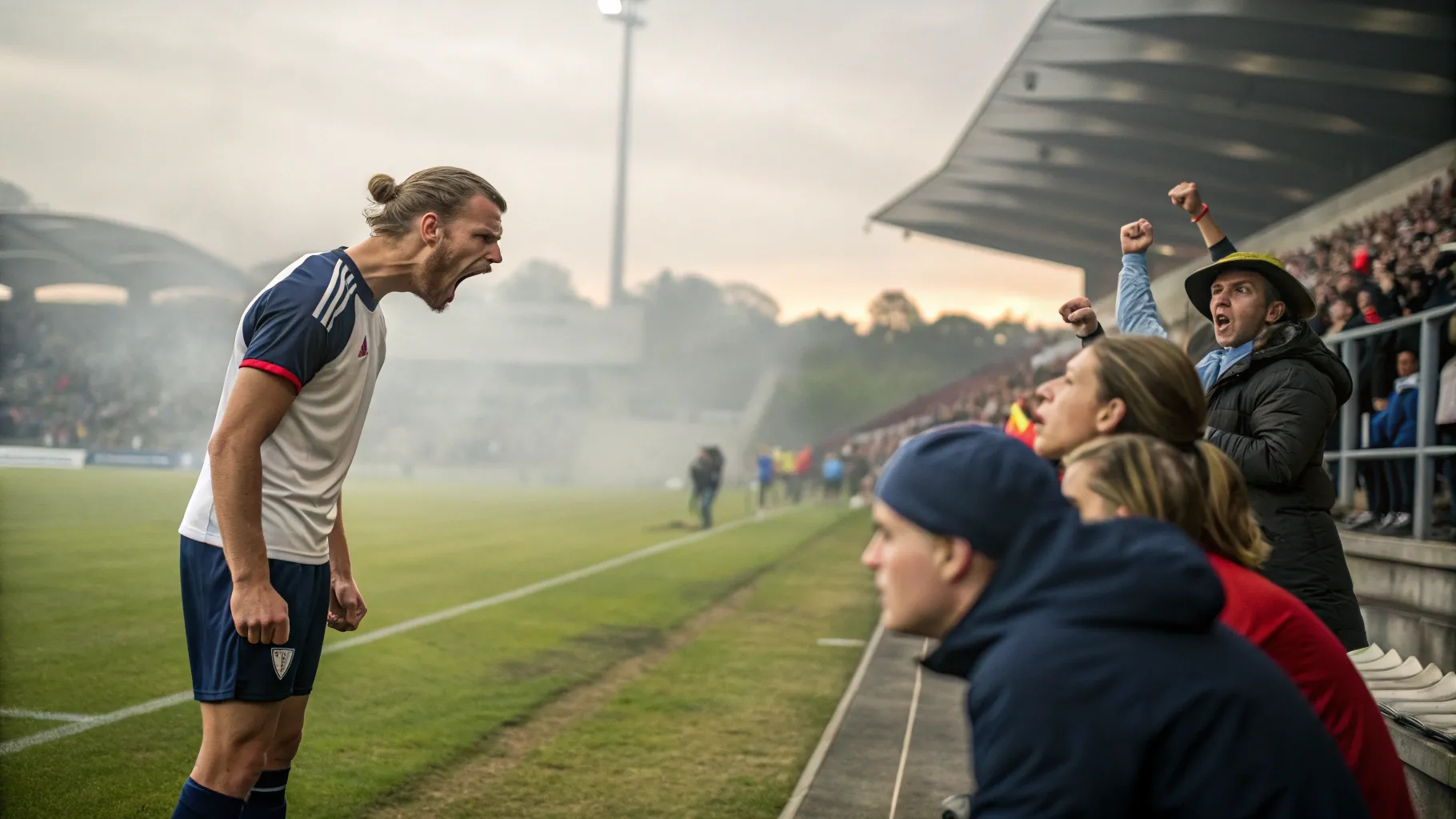
European players competing in the United States reported a wave of verbal abuse from spectators, including slurs and crude insults targeting their families. The incidents, described in recent accounts from players and staff, highlight growing concern over fan behavior at sports venues and what many see as a wider breakdown in public discourse across the country.
The remarks, directed at visiting athletes during competition, prompted unease among teams and event organizers. While no serious injuries were reported, the episode raised urgent questions about venue enforcement, fan codes of conduct, and the tone of public life that spills into stadiums and arenas.
Allegations of Verbal Harassment
Players described repeated taunts throughout competition. Some comments crossed into discriminatory language, according to people familiar with the events. One account captured the experience bluntly:
“European players were subjected to slurs and crude insults about their families.”
Another observation linked the conduct to a broader social climate, suggesting it did not come out of nowhere:
“They were no surprise as public discourse in America has broken down.”
The statements match a pattern many athletes have flagged in recent years: a small segment of spectators using the cover of crowd noise and alcohol to shout personal attacks. Security footage and eyewitness reports often confirm such incidents, even when they do not rise to the level of criminal charges.
A Mirror of Public Discourse
Behavior inside sports venues can reflect the mood outside them. Coaches, players, and fan groups have warned that political rancor and online harassment sometimes carry into live events. Social media can normalize aggressive speech, and the anonymity of a crowd can lower inhibitions.
Scholars who study fan behavior note that stress, alcohol, and group dynamics increase the odds of abusive speech. They also point to a post-pandemic rise in unruly conduct across public spaces, from flights to concerts. Sports are not immune.
Sporting Bodies and Venue Policies
Leagues and teams say they have strengthened codes of conduct and increased training for event staff. Standard practice now includes posting rules, making public-address warnings, and ejecting offenders. Some venues use technology to flag slurs or track repeat incidents through incident reports.
Security experts recommend a layered approach: visible stewards in high-risk sections, rapid reporting channels for players and fans, and clear consequences for abusive speech. Organizers also stress the value of pregame messaging that sets expectations before tensions rise.
- Clear codes of conduct, printed on tickets and posted around the venue
- Swift ejection for discriminatory or personal attacks
- Designated reporting lines for players and staff
- Alcohol management and section-by-section monitoring
Players’ unions have urged consistent enforcement, arguing that sporadic discipline invites repeat behavior. They also seek mental health support for athletes targeted by harassment, especially when family members are mentioned.
Balancing Free Expression and Safety
Venue operators must balance a loud, passionate atmosphere with player safety and dignity. Cheering and heckling are part of sports culture, but personal insults and slurs can cross legal and ethical lines. Legal experts note that private venues can set stricter rules than public spaces, and that tickets often include terms allowing removal for abusive conduct.
Fan groups, for their part, caution against overreach. They argue for clear definitions and transparent processes to avoid arbitrary enforcement. Many supporters say they want strong atmospheres without harassment and are open to helping patrol their sections.
What Comes Next
The recent reports have prompted internal reviews by organizers and venue managers. Teams are assessing whether current staffing and messaging are enough, or if more proactive steps are needed. That could include additional camera coverage, bilingual warnings for international events, and closer collaboration with supporters’ groups.
For athletes, the goal is simple: compete without personal abuse. For venues, the challenge is immediate: protect free expression while stopping harmful conduct. The next few events featuring international teams will test whether new measures work and whether fan culture can be reset.
The allegations serve as a warning. If verbal attacks continue unchecked, more players may speak out, and leagues could impose stricter penalties on host venues. If enforcement improves, the game-day experience can remain loud, spirited, and safe for everyone on the field and in the stands.

Rashan is a seasoned technology journalist and visionary leader serving as the Editor-in-Chief of DevX.com, a leading online publication focused on software development, programming languages, and emerging technologies. With his deep expertise in the tech industry and her passion for empowering developers, Rashan has transformed DevX.com into a vibrant hub of knowledge and innovation. Reach out to Rashan at [email protected]