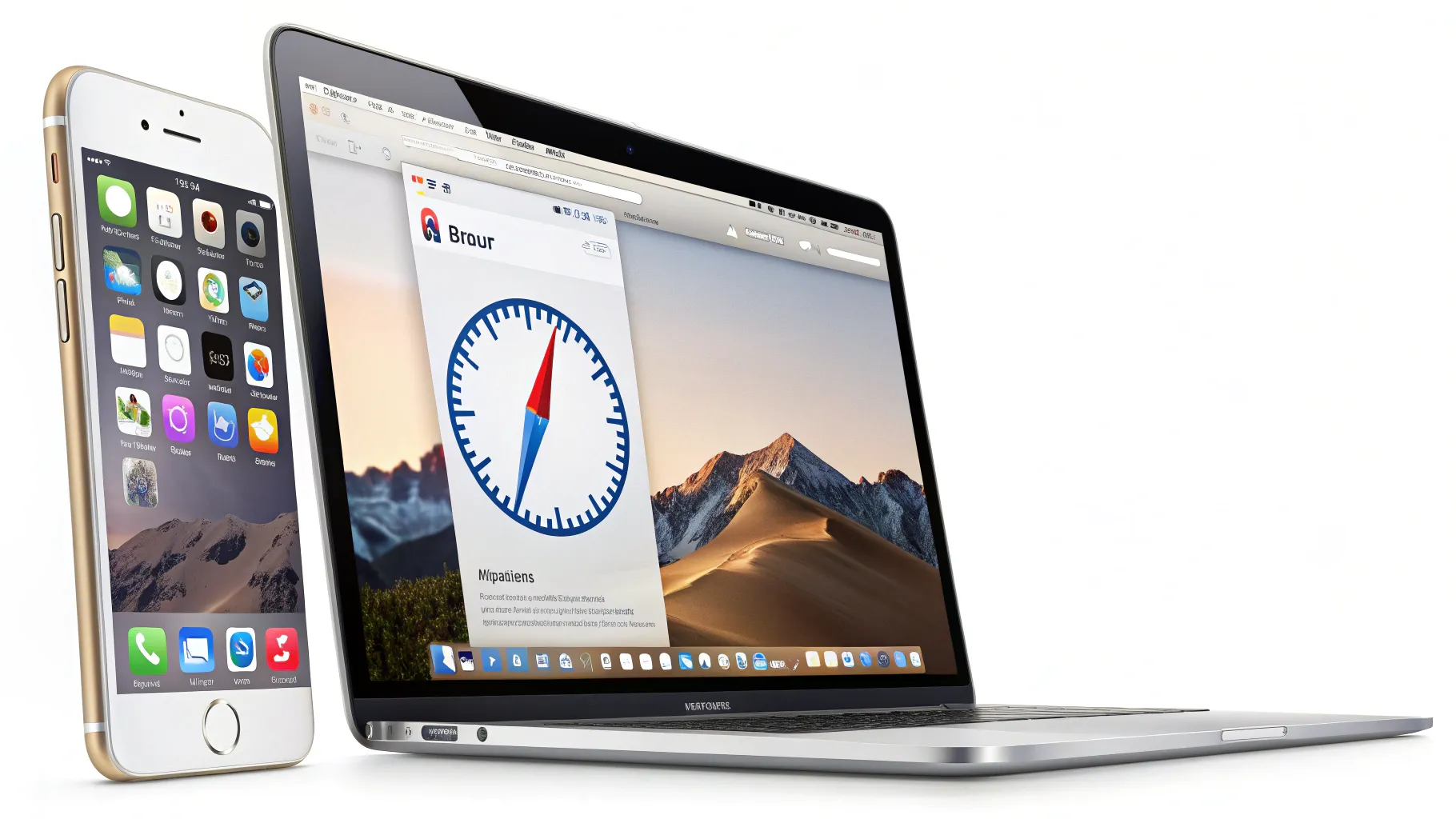
Apple says fewer searches are being made through Safari, the company’s default browser on iPhone and Mac. Safari uses Google as its built-in search tool. The shift raises questions about how people access information on their devices and what it means for the search market, which Google currently dominates.
“Apple says it’s seen a drop in search queries via its Safari browser, which uses Google Search. But that doesn’t mean Google is done for.”
The change comes as users increasingly rely on apps, voice assistants, and on-device tools to find answers. It also follows recent upgrades to Apple’s software, including smarter Siri features and system-wide search tools that can surface results without opening a browser.
Background: Defaults, Deals, and A Shifting Habit
For years, Google has paid Apple billions of dollars to remain the default search engine on Safari. Court documents in a U.S. antitrust case have revealed payments that analysts estimate to be in the high teens of billions of dollars per year—keeping the default spot matters because many users do not change settings.
Safari holds a significant share of mobile browsing on iPhones, and Apple devices account for a large portion of mobile web use in the United States. Google still commands the search market overall, with estimates near 90% share worldwide. However, any drop from a default channel, such as Safari, gets attention.
People are also searching less on the open web when they can find what they need inside apps. Shopping often starts on Amazon. Local food searches happen inside delivery apps. Travel often occurs through airline and hotel apps. That shift reduces the number of classic web searches, even when the need for information is the same.
What’s Driving the Dip
Several forces likely contribute to the decline in Safari queries.
- On-device answers: Spotlight and Siri now surface files, app actions, and quick answers without a browser.
- App-first behavior: Users start in TikTok, Instagram, Amazon, Maps, and Reddit for reviews and ideas.
- Privacy features, such as Tracking Limits and Private Relay, can alter how pages load and how users interact.
- AI helpers: New assistants can summarize pages and suggest answers, eliminating the need for repetitive searches.
- Regulatory changes: Choice screens in Europe and other regions may nudge users to alternatives.
Even small shifts in any of these areas can add up. A dip in Safari searches does not mean people need less information. It suggests they are finding it through different paths.
Impact on Google: Headwinds, Not a Collapse
A drop in Safari queries could slow some search ad volume. However, Google’s position is not immediately at risk. The company continues to serve searches across Chrome, Android, and other browsers, benefiting from repeat user habits and advertiser demand.
Google has been pushing AI overviews and new search formats to keep users on its results pages. That could help offset volume changes from any single browser. The company also generates revenue from YouTube ads, cloud services, and app stores, which helps spread the risk.
Analysts note that default deals with Apple remain valuable even if query counts slip. The Safari funnel is a high-intent source. Losing volume there would matter, but the base is still large.
Antitrust, Defaults, and the Road Ahead
The U.S. antitrust case against Google has focused on default search agreements. If courts or regulators restrict such deals, both companies may need to adjust. Apple could present users with more choices on setup. Google might have to lean harder on product quality and brand loyalty to preserve share.
In Europe, new rules already require more choice screens. This can fragment behavior and spread searches across multiple engines, including Bing, DuckDuckGo, and other privacy-focused options. These changes may amplify the Safari dip or make it vary by region.
A New Search Mix Emerges
Search is no longer a one-stop action. It is a mix of web results, app content, and AI summaries. On Apple devices, more innovative on-device tools reduce the need to open a browser for everyday tasks. For Google, the challenge is to stay present wherever users start their journeys.
Case studies from publishers and retailers indicate increased traffic from social video and direct app visits. Product discovery is shifting to short videos and community forums, while navigation and local queries often begin in map apps. These patterns reduce classic search queries but do not reduce information demand.
The big question is how fast this mix changes. A gradual decline in Safari queries would give both companies time to adapt. A faster shift would force quicker product and deal changes.
Apple’s note signals that user behavior is moving. Google is not out, but the easy growth from default browser searches may be fading. Watch for updates to Apple’s system search and Siri, any changes to default agreements, and Google’s next steps in AI-driven results. The next phase of search will be decided less by a single browser and more by where users start—and finish—their tasks.

Rashan is a seasoned technology journalist and visionary leader serving as the Editor-in-Chief of DevX.com, a leading online publication focused on software development, programming languages, and emerging technologies. With his deep expertise in the tech industry and her passion for empowering developers, Rashan has transformed DevX.com into a vibrant hub of knowledge and innovation. Reach out to Rashan at [email protected]