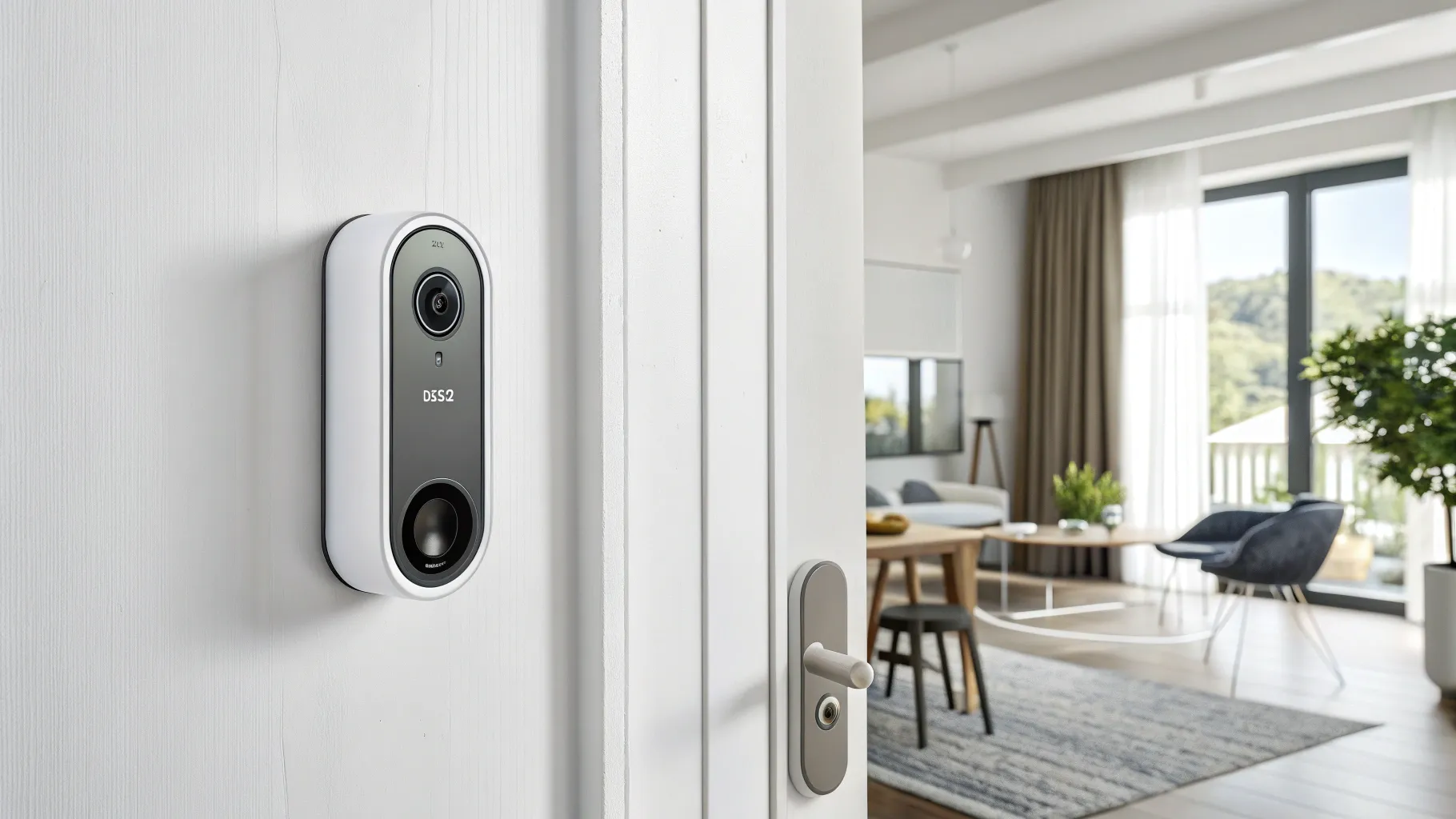
Google is bringing its Gemini artificial intelligence to its newest Nest cameras and doorbell, signaling a push to make home security smarter and more proactive. The move, announced this week, links a flagship AI system with popular consumer hardware at a time when homes are filling with connected devices and alerts. The upgrade could change how people monitor their homes and how much they rely on automated judgments.
Google’s new Nest cameras and doorbell are getting a Gemini upgrade.
The company did not share extensive technical details, but the pairing suggests more advanced recognition, better event summaries, and less noise from false alerts. The change also raises questions on privacy, data handling, and the line between helpful assistance and constant surveillance.
Why This Matters Now
Nest has offered smart alerts for years, such as person detection and package spotting. Google’s broader shift to Gemini across products hints that similar language and vision features may come to the home. That could include clearer descriptions of what a camera sees and faster sorting of routine motion from events that need attention.
Competitors have taken similar steps. Amazon’s Ring and Blink have leaned on computer vision to reduce unwanted pings. Apple pushes on-device processing for HomeKit Secure Video. Adding Gemini places Google in direct comparison on accuracy and privacy practices, two areas that consumers and regulators watch closely.
What Gemini Could Change
Gemini is designed to process text, images, and other inputs. On Nest, that could translate to more context in alerts, such as describing an action rather than only flagging motion. It may also help with search inside video history, making it easier to find specific moments without scrubbing through hours of footage.
- Smarter alerts that describe events, not just motion.
- Better filtering to cut down on false alarms.
- Faster summaries of key moments from recorded clips.
- Stronger voice and app integration across Google services.
Whether these features run on-device or in the cloud will be key. On-device processing can reduce latency and keep more data at home. Cloud features may offer more power, but they depend on strong security and clear consent.
Privacy, Security, and Control
Home cameras sit at the center of ongoing privacy debates. AI that can recognize patterns, identify actions, or stitch context across clips can be helpful, but it can also feel intrusive if not handled carefully. Users will want to know what data is stored, how long it is kept, and who can access it.
Clear settings will matter. People should be able to manage retention, sharing, and alert sensitivity without guesswork. Strong account security, such as two-factor authentication and hardware keys, can reduce unauthorized access. Transparency reports and independent reviews can build trust over time.
Impact on the Smart Home Market
Bringing Gemini to Nest could pressure rivals to match AI features faster. For consumers, that may mean better tools and more choice. For smaller device makers, it could be harder to compete without access to similar AI models or partnerships.
Retailers are likely to highlight AI features in marketing, moving the focus from megapixels and field of view to how well a device explains what is happening. Insurance rebates for camera owners, already offered in some places, may expand if smarter alerts reduce false dispatches.
What We Still Don’t Know
Key details remain unanswered. Google has not specified which Nest models get the upgrade first, what features will be free, or what might require a subscription. It has not detailed where processing occurs, how data is anonymized, or how the system handles edge cases like children, neighbors, or public sidewalks.
Answers to those questions will shape public reception. Clear documentation and opt-in choices can address many concerns before they become pain points.
The Gemini upgrade points to a future where cameras and doorbells do more of the thinking. If executed with strong privacy controls and reliable performance, it could make home monitoring less stressful and more useful. If the rollout is vague or the features misfire, trust could suffer. Watch for concrete feature lists, on-device processing commitments, and independent evaluations in the coming weeks.

Rashan is a seasoned technology journalist and visionary leader serving as the Editor-in-Chief of DevX.com, a leading online publication focused on software development, programming languages, and emerging technologies. With his deep expertise in the tech industry and her passion for empowering developers, Rashan has transformed DevX.com into a vibrant hub of knowledge and innovation. Reach out to Rashan at [email protected]