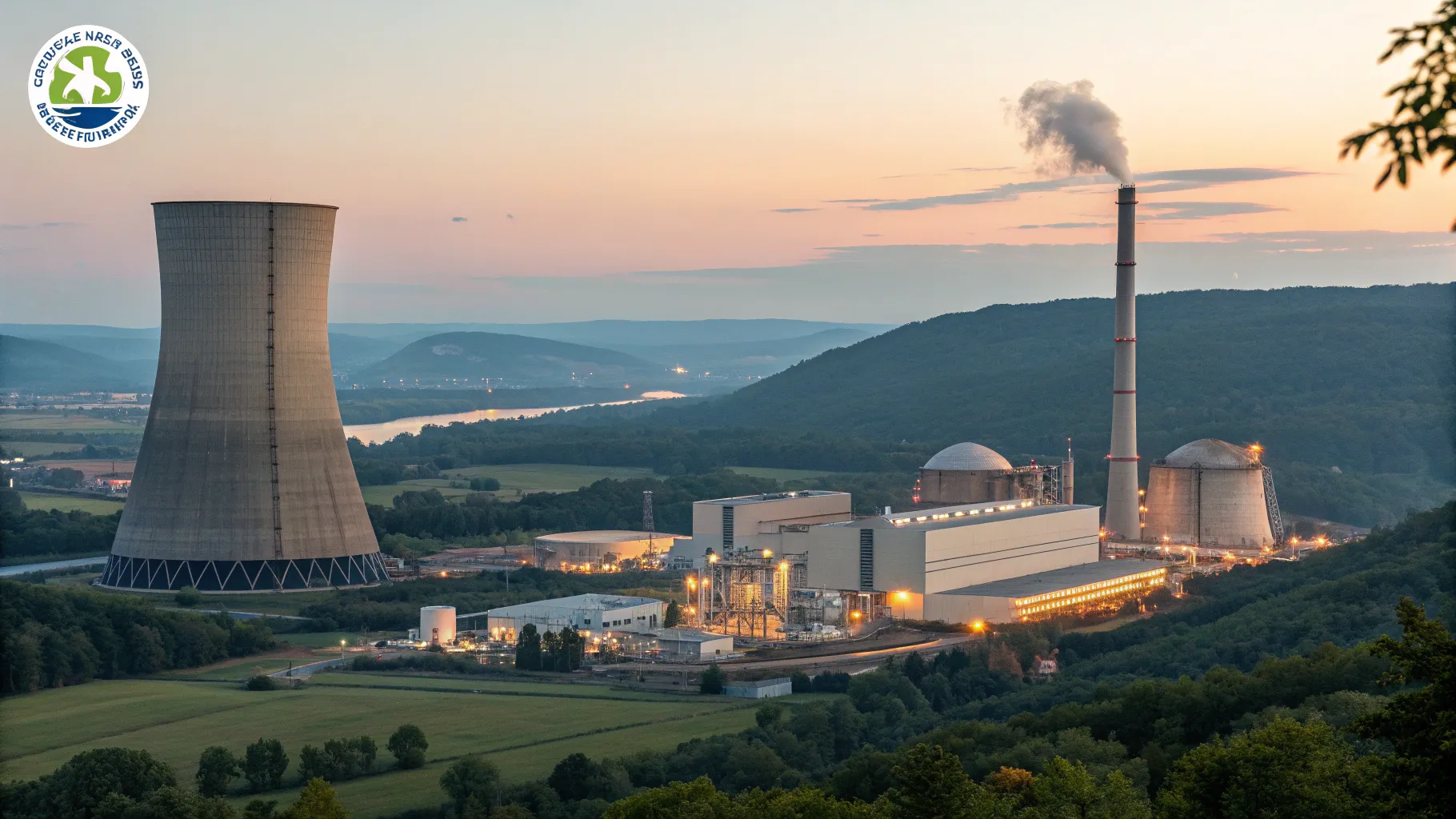
A plan to restart part of the Three Mile Island nuclear station to supply electricity for Microsoft has gained a federal loan guarantee, shifting financial risk to taxpayers. The move signals a high-stakes bet on nuclear power to meet fast-growing data center demand and cut carbon emissions. The project would revive a site known for America’s most famous nuclear accident, raising fresh questions about cost, safety, and public benefit.
The plan to reopen Three Mile Island to supply Microsoft with power wins a federal loan guarantee, shifting some of the risk onto taxpayers.
History Casts a Long Shadow
Three Mile Island, near Harrisburg, Pennsylvania, became a symbol of nuclear risk after a partial meltdown at Unit 2 in 1979. Though no deaths were directly linked to the accident, it shook public trust and reshaped U.S. nuclear oversight. Unit 2 has been defueled and is being decommissioned. The adjacent Unit 1 operated for decades but shut down in 2019 due to market pressures and aging economics.
Restarting any retired reactor is rare in the United States. It would require extensive inspections, equipment upgrades, and approval from federal nuclear regulators. Supporters argue that decades of safety improvements now make nuclear power a stable, low-carbon option. Skeptics point to the age of the plant and the costs of bringing it back online.
Why Microsoft Is in the Mix
Big technology companies are searching for steady, carbon-free electricity to run data centers, including facilities that power artificial intelligence. Wind and solar have grown fast, but their output depends on weather. Nuclear plants run around the clock, making them attractive for companies seeking constant supply and clean energy goals.
Microsoft has pursued long-term power deals to match its climate targets and growing load. A dedicated source of nuclear power could help it meet 24/7 carbon-free pledges. The Three Mile Island plan suggests a model in which a major buyer underwrites demand for a legacy plant revival while the government reduces financing risk.
What the Loan Guarantee Means
A federal loan guarantee does not deliver cash upfront. Instead, it promises lenders that the government will cover a portion of losses if the project defaults. That support can lower interest rates and attract private capital to complex energy projects. The tradeoff is taxpayer exposure if the project fails.
For backers, the guarantee helps bridge the gap between high capital costs and future revenue from long-term power sales. For critics, it socializes risk while privatizing gains. The question is whether the public benefit—clean energy, grid reliability, local jobs—justifies the financial support.
Safety, Oversight, and Public Trust
Restarting a nuclear unit would require new safety reviews, stress tests, and ongoing monitoring. Regulators would assess systems tied to cooling, containment, and emergency response. The operator would also need to show how the plant can meet modern seismic, cybersecurity, and workforce standards.
Local communities remember 1979, and trust will be essential. Public meetings, transparent modeling, and clear emergency plans could help address concerns. If the plant restarts, regular reporting on operations and radiation levels will matter to residents and workers alike.
Grid Needs and Climate Goals
Electric utilities report rising demand from data centers, manufacturing, and electrified transport. Analysts warn that parts of the grid face tight capacity later this decade. Nuclear generation, if cost-effective, can supply large, steady output without adding carbon.
- Data centers require round-the-clock power and strong reliability.
- Nuclear plants provide steady baseload generation with low emissions.
- Long timelines and high costs remain major hurdles.
Costs, Benefits, and What Comes Next
Backers argue the project could create construction and operations jobs while helping meet statewide climate targets. The region would gain a large source of steady power close to load centers. Opponents question whether subsidies for older nuclear units crowd out cheaper wind, solar, and batteries, or whether funds should go to grid upgrades and efficiency first.
Key steps ahead include regulatory reviews, financing milestones tied to the guarantee, and power purchase terms. Community input will shape local permits and emergency planning. Independent watchdogs will likely scrutinize costs, timelines, and any changes to the federal guarantee.
The loan guarantee sets the stage for a major test of nuclear’s role in the next wave of data center growth. If the restart proceeds, it could become a template for pairing legacy plants with corporate buyers. If it stalls, it will renew doubts about the cost and speed of nuclear revival. Either way, expect close attention to safety rulings, construction updates, and how much taxpayer risk the government is willing to take on in the name of clean power and grid stability.

Deanna Ritchie is a managing editor at DevX. She has a degree in English Literature. She has written 2000+ articles on getting out of debt and mastering your finances. She has edited over 60,000 articles in her life. She has a passion for helping writers inspire others through their words. Deanna has also been an editor at Entrepreneur Magazine and ReadWrite.