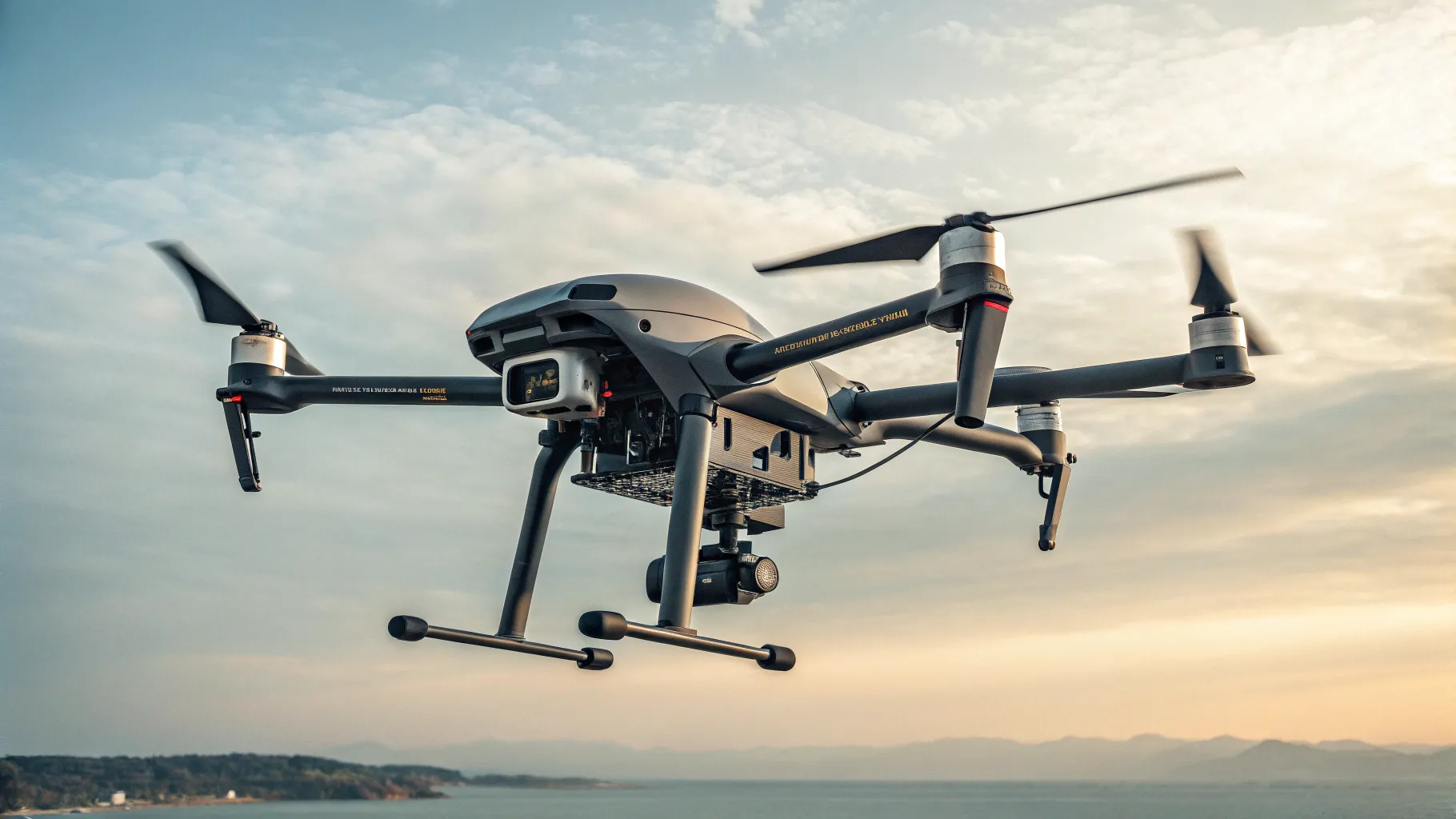
Antigravity has unveiled the A1, described as the world’s first “all-in-one 8K 360 drone,” aiming to fuse ultra-high-resolution spherical video with aerial mobility in a single package. The debut, announced this week, signals a fresh bid to simplify 360-degree capture for filmmakers, marketers, and survey teams who often juggle separate drones and cameras to achieve similar results.
Company executive Michael Shabun framed the release as a new step for creators. “A1 takes the freedom of 360 capture and gives it wings,” he said, capturing the pitch in one line. Early demonstrations suggest the device targets users who want immersive footage without complex rigs, stitching headaches, or post-production workarounds.
Why 360 Aerial Video Matters
Over the last decade, drones and 360 cameras have grown from niche tools into standard gear for content studios and field teams. Yet, the two have usually lived apart. Creators often mounted 360 cameras under consumer or enterprise drones, facing issues like stabilization, mounting balance, and stitch lines caused by propellers or airframes entering the shot.
By presenting an integrated 8K 360 platform, Antigravity is attempting to remove these trade-offs. If the A1’s approach works in practice, it could reduce set-up time and lower the technical barriers for immersive aerial footage. That matters for teams on tight schedules, from news crews to real estate marketers, where getting a clean shot quickly can make the difference between a usable asset and a costly reshoot.
What Antigravity Is Promising
The company’s claim centers on 8K 360 capture—a resolution designed to preserve detail across a full spherical field of view. While 8K 360 footage still requires careful framing and editing, higher resolution helps keep scenes clear when viewers look around inside the video.
“A1 takes the freedom of 360 capture and gives it wings,” said Michael Shabun, highlighting the device’s single-unit design and its focus on ease of use.
The core pitch is simplicity. Instead of assembling a drone and separate 360 camera, the A1 arrives as a unified system. For teams with limited staff or limited time on location, fewer parts and fewer cables can mean fewer points of failure.
Potential Uses and Early Reactions
Immersive aerial footage is valuable whenever spatial context matters. Clear shots can help audiences understand scale, route, and surroundings at a glance. Sectors that may benefit include:
- Film and television, for set-establishing aerials and behind-the-scenes VR clips.
- Real estate and tourism, for property tours and destination marketing.
- Inspections and mapping, where spherical views aid situational awareness.
- Live events, offering panoramic crowd and venue coverage.
Early hands-on impressions describe the A1 as “revolutionary” after flight. While such reactions often accompany product debuts, the response hints at smoother capture and fewer compromises than common DIY rigs. Still, independent testing will be essential to validate image quality across the stitch line, performance in wind, and the behavior of the airframe in tight spaces.
What To Watch: Practical Limits and Policy
Even with a one-box solution, aerial 360 video faces practical constraints. Low-light scenes can expose noise and motion blur, and high-resolution spherical video pushes storage and editing workflows. Battery life, range, and obstacle avoidance also determine whether a flight plan is safe and realistic for a given location.
Regulation remains another factor. Operators still need to comply with local rules, maintain visual line of sight where required, and seek waivers when flying near people or over restricted areas. An integrated camera does not remove those obligations, but a single system can make compliance planning more predictable.
Market Impact and Competitive Pressure
The all-in-one approach could pressure makers of stand-alone 360 cameras and drone frames that rely on third-party mounts. If crews can achieve clean, stabilized 8K 360 footage without adapters or external gimbals, demand may shift toward integrated designs. That could also push competitors to refine their own offerings with better stitching, smarter flight software, and improved thermals for long takes.
On the buyer side, the calculus will come down to reliability and total cost of ownership. A single device is easier to pack and maintain, but parts, support, and repair logistics will matter. If Antigravity backs the A1 with strong service and firmware updates, it may find a foothold with studios and agencies that prize speed and consistency.
Antigravity’s message is clear: make spherical aerial capture easier and more capable in one step. If the A1 delivers sustained 8K quality and stable flight in diverse conditions, it could change how teams plan shoots and gather immersive footage. For now, the industry will look for independent reviews, real-world case studies, and signs that the promise holds up across different use cases and regulations. The next few months of testing will show whether this integrated approach becomes a new standard or remains a specialized option for select crews.

Deanna Ritchie is a managing editor at DevX. She has a degree in English Literature. She has written 2000+ articles on getting out of debt and mastering your finances. She has edited over 60,000 articles in her life. She has a passion for helping writers inspire others through their words. Deanna has also been an editor at Entrepreneur Magazine and ReadWrite.