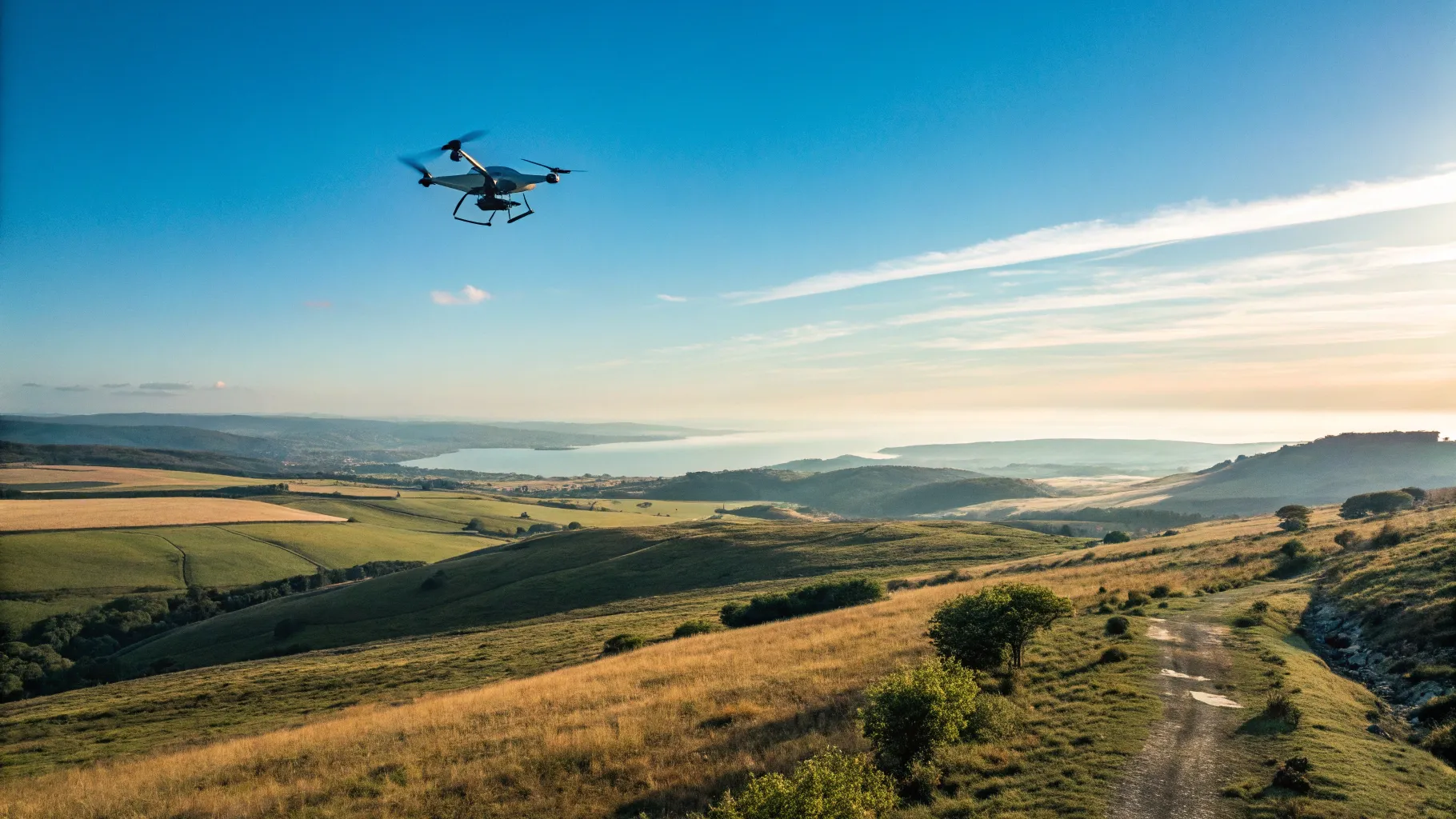
A wave of policy moves has raised new limits on Chinese-made drones in the United States, yet consumer pilots are not grounded. The key message for hobbyists and working pilots is simple: existing aircraft may keep flying under current Federal Aviation Administration rules.
You can still fly the DJI drones you already own.
The guidance arrives as federal and state officials step up scrutiny of Chinese technology. Lawmakers have pressed agencies to restrict new approvals and public procurement of drones from Chinese manufacturers, including DJI, citing security concerns. Retailers and distributors have braced for disruption, and public safety agencies are weighing replacements. But none of these steps ban everyday pilots from operating aircraft they already purchased.
What The New Restrictions Actually Do
Recent actions focus on future sales, government use, and communications approvals, not on personal ownership. Measures under debate in Congress would stop new authorizations for certain radio equipment and limit federal funds for Chinese-made drones. Several states already bar public agencies from buying or deploying them.
These actions affect:
- New product approvals and certifications for U.S. sale
- Government and public safety purchasing
- Use of federal funds and grants
They do not make it illegal for private owners to fly drones they already have, provided pilots follow FAA rules. That includes registration, airspace authorization where required, and Remote ID compliance.
Rules Owners Still Need To Follow
Pilots remain subject to FAA regulations. Recreational flyers must pass the TRUST safety test, register aircraft over 0.55 pounds, and keep drones within visual line of sight. Part 107 operators need certification and must obey operational limits unless they have waivers.
Remote ID is now a core requirement for most flights. Owners can comply through built-in Remote ID on many recent models or an external broadcast module on older craft. Flying in FAA-Recognized Identification Areas is another option where available.
Airspace access has not changed. Pilots still need authorization to fly in controlled airspace, often obtained through LAANC apps. Temporary flight restrictions and no-fly zones remain in effect as posted.
Security Concerns And Company Responses
U.S. officials say data from Chinese-made drones could be at risk if routed through foreign servers. They argue public safety and critical infrastructure operations should use equipment with clear data safeguards. Privacy advocates express similar concerns but warn against blanket bans that reduce competition.
DJI has long stated that users can store data locally and manage cloud settings. The company has also offered “government editions” and audit options for public sector clients. Independent researchers have tested these claims with mixed conclusions, urging clear, verifiable controls.
Impact On Pilots, Agencies, And The Market
For hobbyists and small businesses, the near-term effect is limited. Existing drones remain airworthy, parts are still available from third parties, and repairs can be done by authorized shops or skilled technicians. Insurance and training providers continue to support DJI platforms.
Public safety agencies face harder decisions. Many departments built programs around DJI fleets due to price, reliability, and wide accessory support. Replacing those aircraft can be costly and slow, especially for units that rely on thermal cameras or mapping tools.
Competitors could benefit as agencies and some enterprise users shift to models from U.S. and allied manufacturers. Analysts expect higher prices and fewer features in the short term as alternatives catch up. Training and software transitions may also add cost and downtime.
What Owners Should Do Now
- Confirm Remote ID compliance for each aircraft.
- Keep firmware and controller apps updated to maintain safety features.
- Download flight logs and media locally and review data-sharing settings.
- Plan for parts and batteries, which may see longer lead times.
- Document maintenance to protect resale value.
Retailers suggest buyers check stock and model support windows before making new purchases. Enterprise teams should assess mission needs and test backup platforms in case policies tighten.
What To Watch Next
Key signs include any final federal action on new equipment approvals, guidance for public sector programs, and updates from the FAA on Remote ID enforcement. Software support is another marker: app store availability, map data, and geofencing updates can affect daily operations even without a legal ban.
For now, private pilots can keep flying. The core requirement is to follow FAA rules, keep aircraft in good condition, and stay alert to policy changes that could affect future purchases or software support.
As scrutiny grows, the drone market may split between consumer hobby use and professional, hardened platforms with stricter data controls. Pilots who plan ahead will be best positioned to adapt if the rules shift again.

Rashan is a seasoned technology journalist and visionary leader serving as the Editor-in-Chief of DevX.com, a leading online publication focused on software development, programming languages, and emerging technologies. With his deep expertise in the tech industry and her passion for empowering developers, Rashan has transformed DevX.com into a vibrant hub of knowledge and innovation. Reach out to Rashan at [email protected]