The Trump administration has launched a push to reduce U.S. reliance on China for critical materials used in electric vehicles, defense systems, and advanced technology. The effort aims to rewire supply chains that feed core industries and national security. It seeks to steer investment, spur domestic production, and secure allied sources in a strategic shift with wide economic stakes.
Announcing the policy direction, Donald Trump put the rationale bluntly.
“Trump’s move is aimed at cutting America’s dependence on China for materials essential to electric vehicles, defense systems and advanced technology.”
The plan signals a new phase in the contest over critical minerals, where China’s dominance in processing and refining has long worried U.S. officials and manufacturers. It also raises questions about cost, timing, and environmental impact, as the U.S. weighs how fast it can build or rebuild supply chains at home.
What’s at Stake
Critical minerals power batteries, chips, sensors, and precision-guided weapons. They include rare earth elements, lithium, nickel, cobalt, manganese, and graphite. Analysts estimate that China refines a large share of these inputs, including most rare earths and the majority of graphite and cobalt processing. China is also a leading supplier of components like permanent magnets used in missiles, aircraft, and wind turbines.
Automakers depend on stable supplies to meet electric vehicle targets. Defense contractors need certified materials to maintain production and readiness. Tech firms rely on high-purity metals for semiconductors and data centers. Any disruption or price spike can slow projects or raise costs for consumers and taxpayers.
Policy Tools on the Table
Officials indicated several paths to reduce exposure to China-linked supply chains. These range from incentives to restrictions, with a focus on speeding domestic and allied capacity.
- Tax credits and grants to support U.S. refining, recycling, and magnet manufacturing
- Permitting reforms to shorten timelines for new mines and processing plants
- Defense Production Act funding for materials tied to national security
- Trade actions, including tariffs or sourcing rules for federal procurement
- Allied agreements with countries rich in minerals, such as Australia and Canada
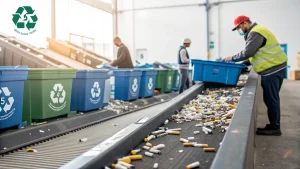
Industry groups say recycling and substitution can help. Recovering materials from spent batteries and electronics could lower import needs while easing environmental burdens. Substituting rare earth magnets in certain motors is another path, though it may add cost or reduce performance in some uses.
Industry Impact and Concerns
Manufacturers welcomed clearer direction but warned about timing. Building refineries and processing plants can take years. Permitting and local opposition often slow projects. Companies fear gaps before new capacity comes online.
Automakers are also watching battery costs. Graphite and processed nickel are key inputs. If tariffs or sourcing rules bite before alternatives are ready, EV prices could rise or production could slip. Suppliers say long-term contracts and loan guarantees would help unlock private capital.
Environmental groups caution that domestic mining can harm water and wildlife if not carefully managed. They argue that strict standards, community consultation, and strong reclamation plans must be part of any expansion. Supporters of the shift counter that failing to act leaves the U.S. exposed to supply shocks and geopolitical pressure.
Global and Geopolitical Context
China has invested for decades in refining capacity and overseas mines. It has used export permits and pricing to shape markets. Recent moves to restrict exports of gallium, germanium, and graphite highlighted those levers and sharpened concerns in Washington and allied capitals.
Allied cooperation is growing. Partners are mapping supply chains and aligning standards to reduce bottlenecks. Joint funding for refining and magnet plants is under discussion, according to people familiar with industry talks. If coordinated, these steps could spread production risk and stabilize prices.
What to Watch
Several markers will show if the shift gains traction. New project announcements for refining and magnets in the U.S. and allied countries will indicate momentum. Binding offtake deals between miners and manufacturers will signal confidence. Clear timelines for permitting changes will show whether projects can move faster.
Investors will track whether recycling reaches commercial scale for lithium, cobalt, and rare earths. Defense contracts that favor domestically sourced materials could anchor new facilities. Automakers’ battery chemistries may evolve as they balance cost, performance, and sourcing rules.
Trump’s push sets a high bar for execution. The objective is simple: cut reliance on China for critical inputs that underpin clean energy, defense, and advanced tech. The path is complex, with trade-offs in cost, speed, and environmental standards. Progress will hinge on policy clarity, steady funding, and cooperation with allies. The next year will reveal whether promised projects break ground and whether supply risks begin to ease.

Kirstie a technology news reporter at DevX. She reports on emerging technologies and startups waiting to skyrocket.