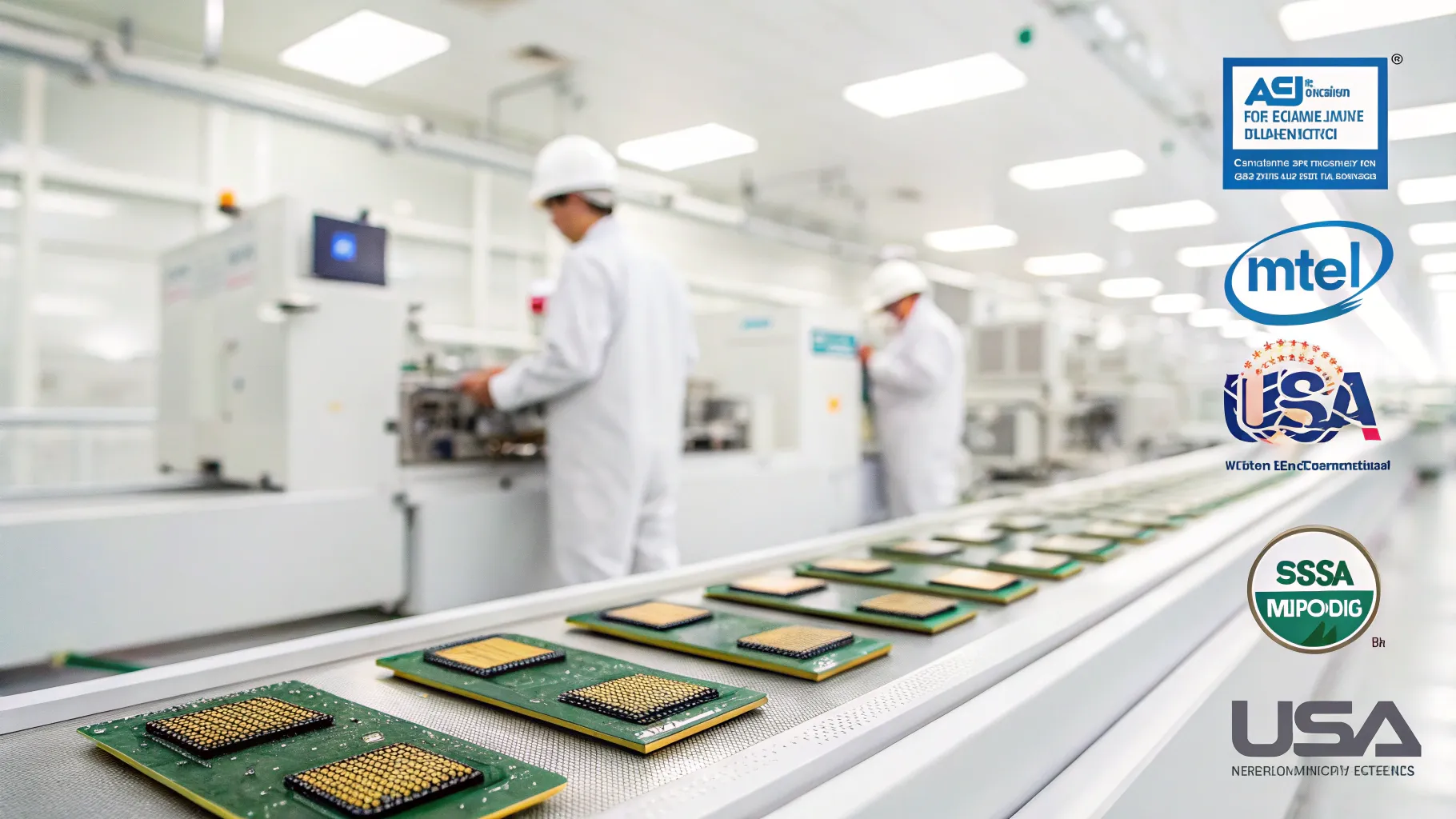
An unusual policy move will tax AI-enabling chips made outside the United States by American companies, while leaving domestic uses exempt. The measure, announced this week, narrows the focus to overseas production and cross-border sales. It seeks to influence where high-performance semiconductors are designed, manufactured, and deployed, amid rising concern over supply chains and national security.
The policy raises questions for chipmakers with global footprints. It also signals a sharper line between domestic incentives and international operations. Companies and trade lawyers are now reviewing how the rule will be applied, when it begins, and which products qualify.
What the Measure Does
The unusual measure targets only AI-enabling chips made abroad by American companies, and it won’t be levied on those used domestically.
At its core, the rule draws a bright boundary around geography and use. It applies to chips produced overseas by U.S.-headquartered firms. It exempts chips used within the United States. The gap between those two categories is where the policy aims to drive change.
AI-enabling chips generally refer to processors and accelerators used for training or running large models. These include devices that power data centers, advanced research, and automated systems. By taxing only foreign-made units, the measure pressures firms to expand domestic supply or limit certain offshore flows.
Why It Matters Now
Semiconductors sit at the center of economic competition and security planning. Governments have offered subsidies for new fabs and have tightened export rules on advanced chips and tools. Companies have spread production across Asia, the United States, and Europe to manage cost and risk. This new levy adds a fresh factor: tax exposure tied to where a company’s chip is made and where it is used.
Policy analysts say this signals a shift from broad industrial incentives to targeted financial penalties. One expert described the approach as a “stick” to complement earlier “carrots.” The focus on AI accelerators reflects their growing strategic importance in cloud computing, defense research, and critical infrastructure.
Industry Impact and Corporate Choices
Chip designers and manufacturers will face trade-offs. Moving more production onshore could reduce tax costs but raise capital needs. Keeping overseas output could preserve supply ties but add a new levy. Cloud providers and AI firms may see higher prices for imported accelerators in the short term.
- Designers may push foundry partners to expand U.S. capacity.
- Manufacturers could re-evaluate tool and material sourcing to qualify for exemptions.
- Customers might adjust procurement, favoring domestic-use configurations.
Some companies could split product lines by market. Others may seek licensing or contract changes to clarify who bears the tax. The rule could also influence where firms place packaging and testing steps, which often occur outside the United States.
Trade, Compliance, and Legal Questions
The measure’s narrow scope invites scrutiny. Trade groups will likely ask how authorities define “AI-enabling” and what performance thresholds apply. Compliance teams will need clear guidance on proof of origin, corporate structure, and end use. If the levy applies to subsidiaries, firms must map their global chains in detail.
Lawyers also point to possible friction with trade partners. If foreign governments see the rule as discriminatory, they could respond with their own measures. That could lead to heavier red tape for shipments, or mirror taxes on imported compute hardware.
Domestic Signals and Supply Chain Strategy
The exemption for domestic use functions as an incentive. It rewards keeping advanced compute workloads and chips onshore. That aligns with earlier efforts to build fabrication, packaging, and data center capacity at home. It may also accelerate alliances among chipmakers, foundries, and cloud providers within the United States.
Smaller firms might benefit if larger rivals shift capacity domestically and free up overseas lines. But they could also face tight supply if the industry races to relocate high-value steps. Data center builders will watch delivery timelines, power availability, and permitting, which can slow new projects.
What to Watch Next
Key details will decide the real impact. Companies await thresholds for chip performance, timelines for enforcement, and how authorities will treat upgrades or refurbished units. Clarification on research exemptions and development kits could shape university and startup access to advanced hardware.
Investors will track capital spending plans and any guidance on margins. If the levy narrows international price gaps, it could shift procurement quickly. If compliance proves complex, firms may pause shipments while they adjust systems.
The measure opens a new chapter in AI hardware policy. It blends tax pressure with industrial goals and tests how fast global supply chains can adapt. The next few months will show whether it moves production home or simply reroutes trade.

Rashan is a seasoned technology journalist and visionary leader serving as the Editor-in-Chief of DevX.com, a leading online publication focused on software development, programming languages, and emerging technologies. With his deep expertise in the tech industry and her passion for empowering developers, Rashan has transformed DevX.com into a vibrant hub of knowledge and innovation. Reach out to Rashan at [email protected]