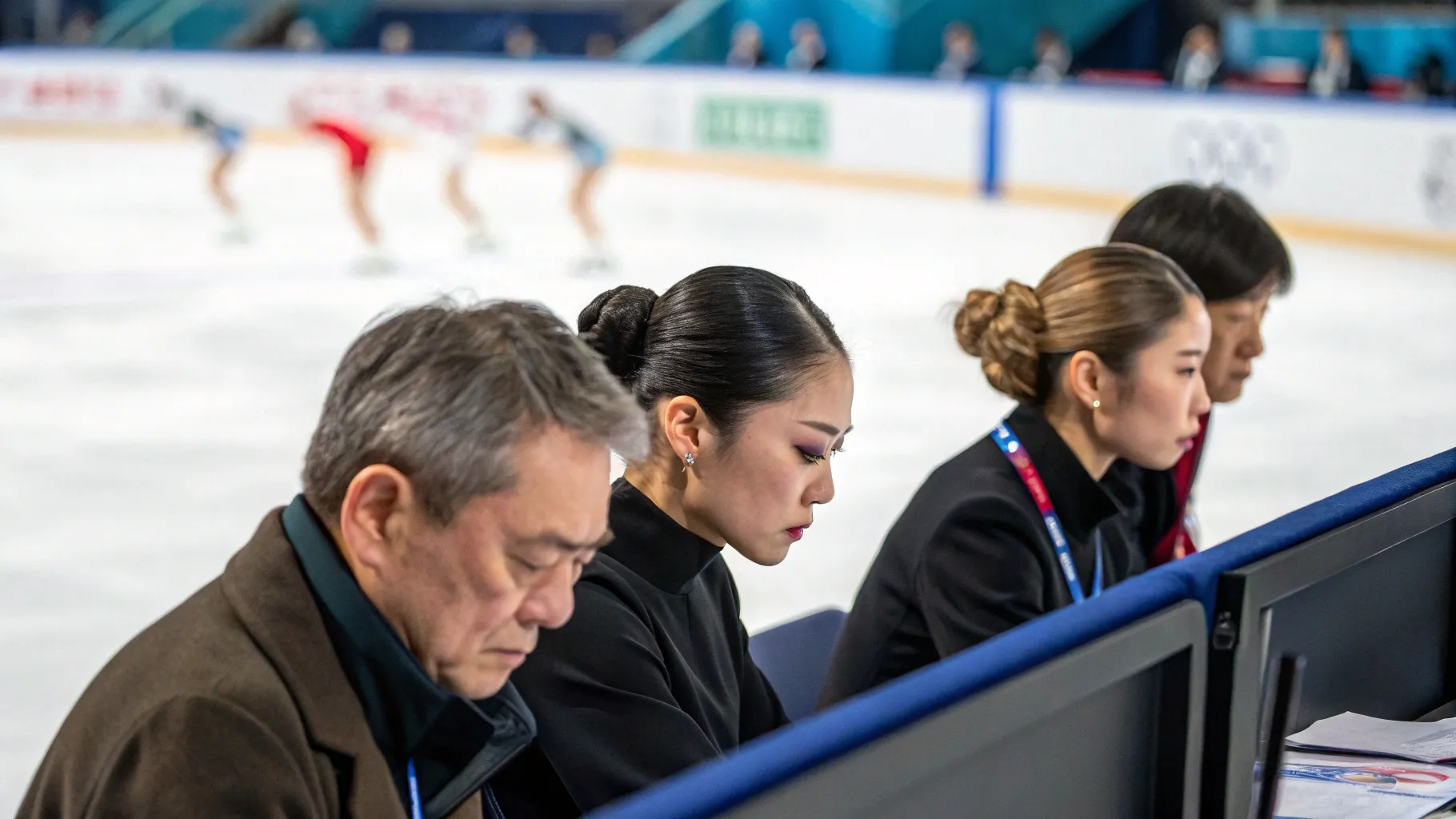
A fresh dispute tied to the Milan-Cortina 2026 Winter Games has pushed figure skating judging back into the spotlight. At issue is whether the current system can deliver fair and transparent results on the sport’s biggest stage. Athletes, coaches, and fans are again asking how judges weigh artistry against technical skill, and what can be done to reduce subjectivity.
The debate matters now because the Olympic cycle is moving fast. National teams are building rosters. Sponsors are making bets. And the sport wants confidence in scores before medals are awarded in 2026.
A New Flashpoint Ahead of 2026
Concerns have grown as skaters add harder jumps and more complex choreography. Small differences on score sheets can decide titles. Critics say that calls on under-rotations, edge quality, and program components can vary too much from event to event.
“While Milan-Cortina 2026 has brought the highest profile controversy regarding figure skating judging in recent years, it is not an isolated incident by any means.”
That view reflects a wider worry that controversies recur, not just in Olympic seasons. The stakes, however, are highest when Olympic outcomes define careers.
How the Current System Took Shape
Figure skating replaced the old 6.0 scoring after the 2002 Salt Lake City pairs scandal. The International Skating Union (ISU) adopted a points-based system that splits scores into technical and components. In 2016, the ISU ended anonymous judging to increase accountability. In 2018, the Grade of Execution scale expanded to a range of -5 to +5 to better separate quality.
Judging today involves a technical panel that identifies elements and their levels, while judges assign quality and components. Program components measure skating skills, transitions, performance, composition, and interpretation, each up to 10. Supporters say the system rewards detail. Critics say it can still mask inconsistency.
Where Disputes Arise
The hardest cases come at the edge of calls. Was a jump fully rotated? Did the skater hold a true outside edge? Slow-motion video helps, but the ruling often remains close. Program component scores can differ widely for similar programs across events, feeding claims of national bias or reputation scoring.
Past Olympic cycles offer examples. The 2014 season saw heated debate over component scores in the women’s event. In 2018 and 2022, arguments centered on how to value big technical content against clean, balanced programs. While some controversies involved doping or eligibility, judging debates have persisted on their own track.
What Stakeholders Say
Coaches argue that clear guidelines and steady application matter more than ever as difficulty rises. Athletes want quick, consistent feedback so they can plan layouts. Many judges say the rulebook is sound but needs better training and tighter review to ensure uniform calls.
Event organizers worry about public trust. They want scoring that casual viewers can follow. Broadcasters say transparent graphics and prompt explanations reduce confusion and controversy.
Ideas Under Discussion
Several practical steps are being floated in coaching meetings and federation forums:
- Publish more detailed judging breakdowns and video clips tied to calls.
- Strengthen post-event review and correction procedures.
- Expand judge education with shared case libraries for close calls.
- Use consistent camera angles and higher frame rates for rotation checks.
- Standardize component scoring with clearer benchmarks and example programs.
Some in the sport also support limited technology aids. They stress that tools should inform human judgment, not replace it. Others warn that new tools must be validated to avoid fresh disputes.
What Comes Next
With Milan-Cortina approaching, national federations are pressing for clearer rules and stronger oversight. The ISU has the chance to refine guidance before test events. Early action could reduce friction later and help athletes trust the process.
The central question remains simple: can the system show, in public and in detail, why each score was earned? If organizers answer that with clarity and consistency, the sport can enter 2026 on stronger footing. If not, the next podium may bring a new round of doubts.
For now, skaters are training, judges are reviewing, and fans are watching. The final measure will be whether the scoring holds up under Olympic pressure. That is the standard the sport must meet in the months ahead.

Deanna Ritchie is a managing editor at DevX. She has a degree in English Literature. She has written 2000+ articles on getting out of debt and mastering your finances. She has edited over 60,000 articles in her life. She has a passion for helping writers inspire others through their words. Deanna has also been an editor at Entrepreneur Magazine and ReadWrite.