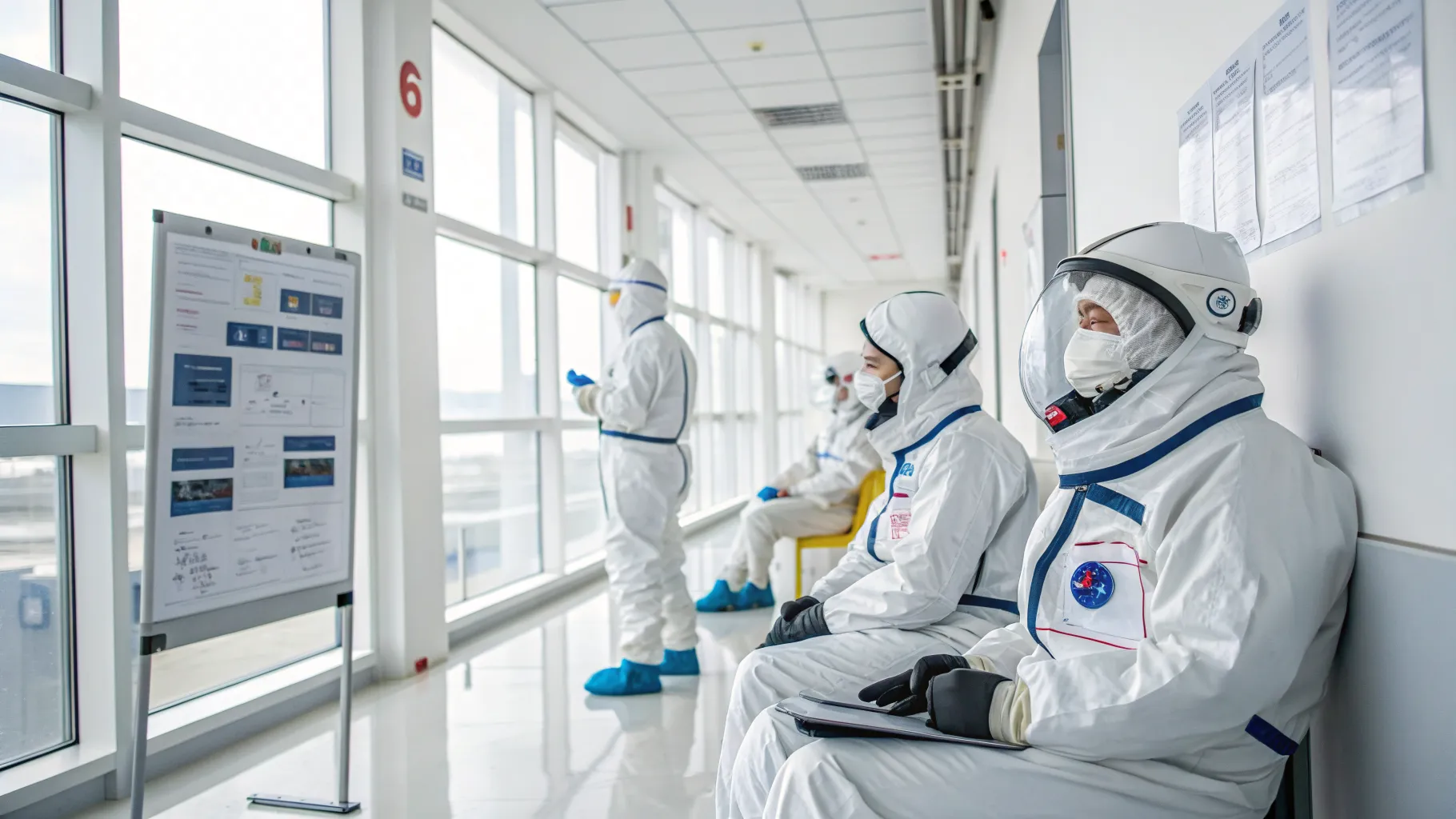
In the final two weeks before liftoff, astronauts enter a strict quarantine as medical teams watch for any signs of illness and limit exposure to germs. The protocol, carried out at mission facilities, is designed to keep crews healthy and to stop harmful microbes from hitching a ride to space.
The practice, known inside space programs as prelaunch quarantine, reduces the risk of respiratory viruses and other infections that could compromise a mission. It also supports planetary protection goals by cutting the odds that Earth microbes contaminate spacecraft and other worlds.
Why Two Weeks of Isolation Matters
Before launch, astronauts live in controlled quarters, cut back on outside contact, and follow strict hygiene rules. The goal is simple: no last-minute illness. Even a mild cold can impair performance in a sealed spacecraft or station, where medical options are limited and infections can spread quickly.
“For two weeks, medical experts monitor the astronauts as they remain indoors, live in isolation, and avoid physical touch, all to prevent harmful microbes from traveling to space.”
Mission doctors and flight surgeons review daily health checks, track potential exposures, and restrict visitors. Family meetings move to screens. Staff who interact with the crew undergo testing and wear protective gear.
Lessons From Past Missions
Quarantine is not new. During the Apollo era, crews followed strict preflight rules and then faced a 21-day isolation after returning from the Moon. That was to guard against theoretical lunar pathogens and to verify astronaut health. While postflight quarantine ended for later programs, prelaunch protection remained a core step.
Modern crews for the International Space Station still follow a 14-day health stabilization period. During the COVID-19 pandemic, agencies tightened testing and isolation to maintain mission timelines and safety. The experience reinforced how fragile mission schedules are when illness strikes close to launch.
How the Program Works
Health teams design a controlled living and work setup for each crew. Food is prepared under strict standards. Surfaces are disinfected often. Exercise continues, but with dedicated equipment and ventilation. Any symptoms trigger rapid testing and, if needed, replacement plans.
- Limited in-person contact with pre-screened staff
- Daily temperature and symptom logs
- Enhanced cleaning and air filtration in crew quarters
- Prelaunch medical testing and final clearance
Agencies in the United States, Europe, Japan, and other partners coordinate these rules so mixed crews follow the same health bar.
Protecting Spacecraft and Other Worlds
Quarantine supports planetary protection, the policy that seeks to avoid polluting other environments with Earth life. Even a small number of microbes could complicate science results or affect fragile environments. Clean rooms, sterile assembly procedures, and prelaunch isolation work together to lower that risk.
While most human missions go to low Earth orbit, planning for lunar and Mars missions increases focus on microbial control. Crews will land, explore, and bring samples back. Keeping microbial loads low before launch makes later contamination tracking easier.
Costs, Trade-Offs, and What Comes Next
Quarantine has real costs. Isolation adds stress. Training plans must shift to remote formats. If illness appears, backup crew members must be ready. Yet agencies judge the benefits to outweigh the strain, given the medical and schedule risks of a late infection.
Future missions may use more wearable sensors, rapid diagnostics, and improved air systems to refine health checks without adding time. Shorter or longer quarantine windows could be tailored to seasonal virus trends, crew medical history, and mission risk.
Commercial crew providers have adopted similar rules, signaling that quarantine will remain a standard feature of human spaceflight for years to come.
As launch windows approach, the quiet of quarantine marks the final step in a long preparation. The two-week shield helps keep crews healthy, protects mission goals, and safeguards science. Watch for agencies to adapt the length and tools of prelaunch isolation as technology improves and as human missions extend to the Moon and Mars.

Kirstie a technology news reporter at DevX. She reports on emerging technologies and startups waiting to skyrocket.