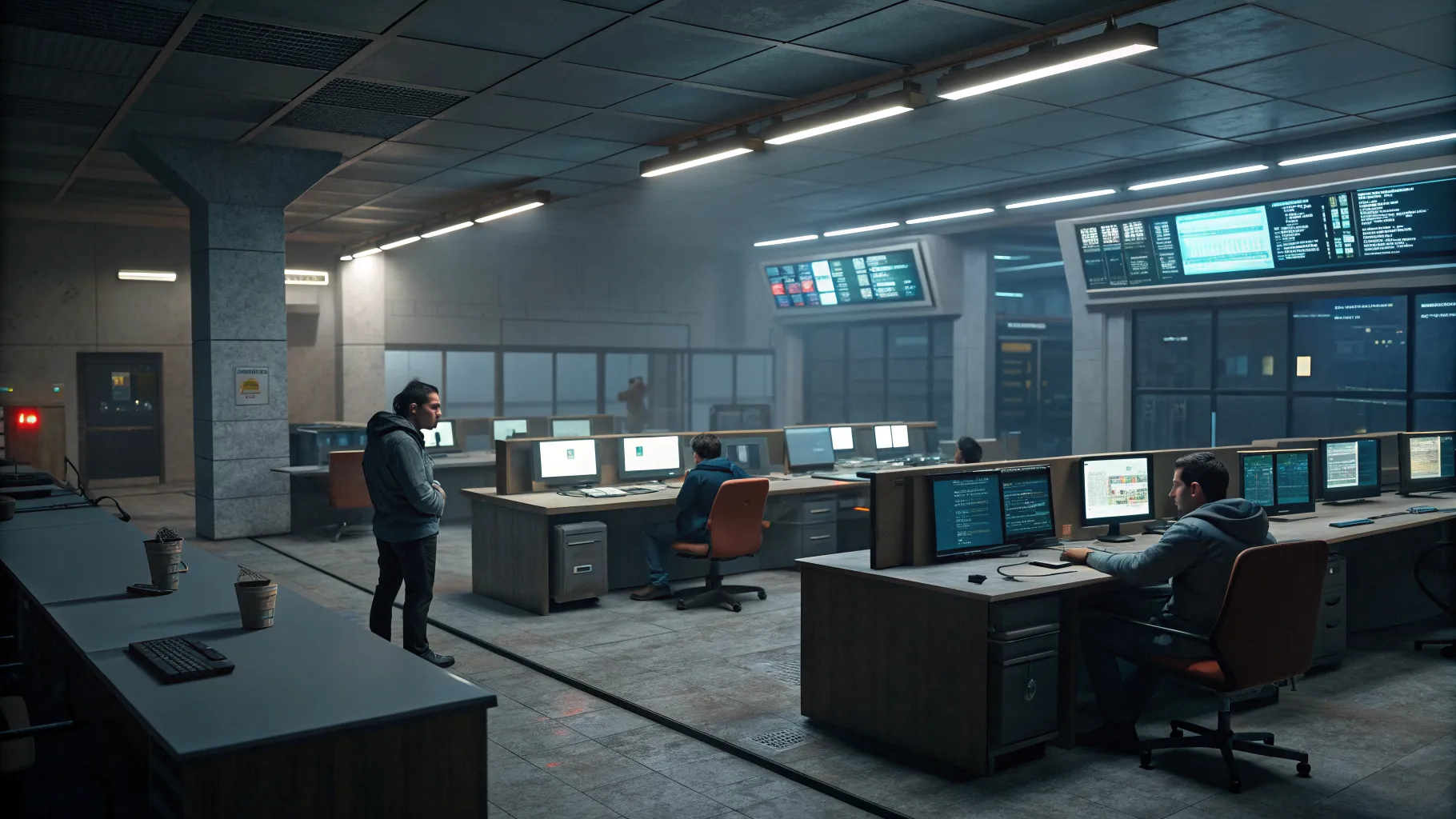
The federal government’s lead civilian cyber agency is entering a period of uncertainty as it confronts cuts, layoffs, and furloughs during the first year of the Trump administration. Bipartisan lawmakers and industry voices warn the Cybersecurity and Infrastructure Security Agency is not ready for a major incident, raising concerns about national resilience at a time of frequent digital threats.
The concerns center on staffing and funding pressures, according to people briefed on the situation. They say the agency’s ability to coordinate during a crisis is weakened. The criticism comes from both parties and from private-sector experts who work daily with federal cyber teams.
What CISA Does and Why It Matters
CISA, housed within the Department of Homeland Security, leads federal efforts to defend civilian networks. It helps critical infrastructure operators, state and local governments, and private companies spot and manage threats. The agency also shares alerts and incident response playbooks across sectors.
In recent years, ransomware, supply-chain compromises, and election security concerns have dominated the threat picture. Coordination among government and private firms has become central to keeping hospitals, pipelines, and city services running. Any reduction in experienced staff or loss of technical capacity can slow that response when minutes count.
Warnings From Capitol Hill and Industry
“The agency is unprepared to handle a crisis,” bipartisan lawmakers and cybersecurity industry sources said, citing recent reductions and workforce strain.
Multiple lawmakers from both parties have pressed for clarity on how workforce changes affect readiness. Their message is that preparation, training, and continuity are as important as tools. Industry partners, who depend on quick federal alerts and surge support during incidents, echo that concern.
One security executive said that if teams shrink, detection and response can lag. Another said that fewer analysts means slower sharing of indicators that help firms block active attacks. Both stressed that continuity of operations is crucial during a wide-scale cyber event.
Funding Pressures and Workforce Gaps
Current and former officials describe a squeeze on mission areas that rely on consistent staffing. Hiring freezes and furloughs disrupt planning. Layoffs can drain institutional memory, hampering complex investigations and long-term partnerships with critical infrastructure owners.
Supporters of tighter spending argue that agencies must streamline and focus on core tasks. They say duplication should be reduced and that efficiency can come from smarter procurement and shared services. Critics counter that cyber missions grow more complex each year and demand stable teams.
- Furloughs interrupt ongoing incident response and training cycles.
- Layoffs remove specialized skills that are hard to replace quickly.
- Cuts can slow information sharing with state and local partners.
Implications for Critical Services and Elections
Hospitals, schools, and utilities lean on federal threat intelligence and on-call responders. A slower federal response can leave gaps that attackers exploit. The private sector can cover some needs, but coordination still depends on federal situational awareness and deconfliction across regions and sectors.
Election security also relies on stable staffing. State officials seek rapid guidance on vulnerabilities, patches, and threat trends. Reduced capacity increases the risk of delayed advisories or fewer on-site assessments during peak periods.
What Oversight and Reform Could Address
Lawmakers calling for action outline several steps. First, they want clarity on the scope and timing of workforce changes. Second, they seek contingency planning for surge support during multi-state incidents. Third, they emphasize retaining core technical skills through targeted hiring and training.
Policy experts also suggest strengthening public-private exercises that simulate large attacks. These drills test endurance under staffing limits and reveal where mutual aid can help. Clear metrics for response times, alert quality, and partner engagement would aid oversight and funding decisions.
The Road Ahead
Pressure on budgets is not new, but cyber risk is rising. Agencies that protect critical services need predictable resources and steady leadership. Bipartisan concern suggests Congress may push for reviews, with a focus on readiness for multi-sector crises.
The next few months will show whether staffing stabilizes and whether contingency plans can fill gaps. Partners across industry and government will watch for faster advisories, stronger incident coordination, and visible support for state and local teams. If those signals appear, confidence could improve. If not, worries about a slow response during the next major cyber event will likely grow.

Senior Software Engineer with a passion for building practical, user-centric applications. He specializes in full-stack development with a strong focus on crafting elegant, performant interfaces and scalable backend solutions. With experience leading teams and delivering robust, end-to-end products, he thrives on solving complex problems through clean and efficient code.