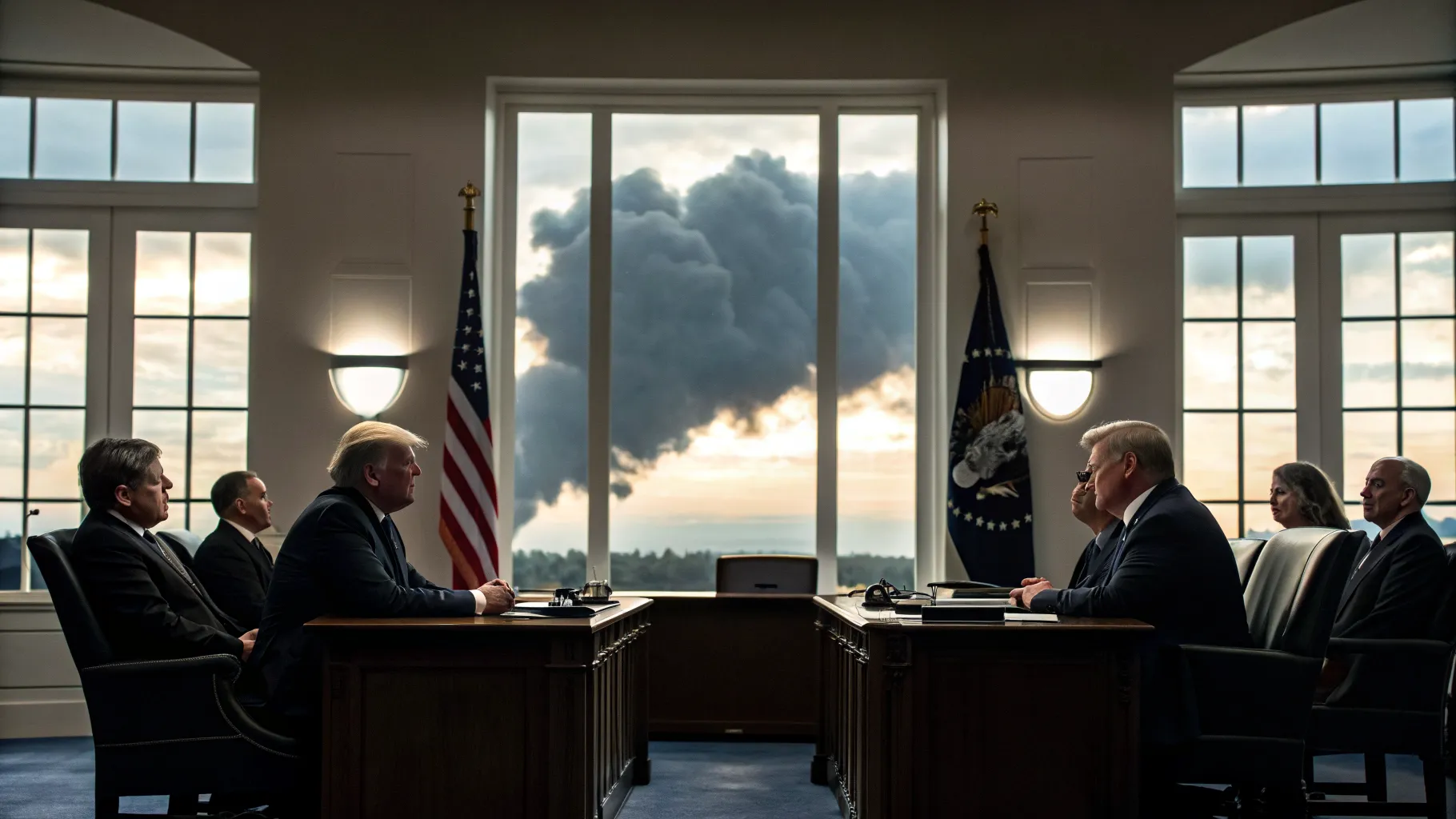
The Environmental Protection Agency is moving to roll back the “endangerment finding,” a core legal basis for federal regulation of greenhouse gases. The step, signaled this week in Washington, could trigger years of legal challenges and fresh uncertainty for companies that plan around climate rules. Business groups, state officials, and environmental advocates are bracing for a fight over the scope of federal climate authority.
“As the EPA moves to roll back the endangerment finding, which allows it to regulate greenhouse gases, experts predict uncertainty for business and a protracted legal fight.”
What Is at Stake
The endangerment finding dates to 2009. It concluded that greenhouse gases threaten public health and welfare under the Clean Air Act. That conclusion followed the 2007 Supreme Court decision in Massachusetts v. EPA, which held that greenhouse gases are air pollutants under the law.
Since then, the finding has supported limits on emissions from vehicles, power plants, and oil and gas operations. It also anchors federal climate analyses and risk assessments. Undoing or weakening the finding would challenge the legal base for many current and future rules.
The move arrives after the 2022 Supreme Court ruling in West Virginia v. EPA. That decision limited the agency’s approach to power plant emissions under the “major questions” doctrine. It did not, however, erase the endangerment finding itself.
Business Braces for Policy Whiplash
Executives say policy swings can raise costs and delay investment. Companies that make long-lived assets—like utilities, automakers, and heavy industry—rely on clear rules to plan capital spending and supply chains. A rollback could pause projects tied to federal targets, while lawsuits proceed.
- Automakers face shifting emissions and fuel economy pathways.
- Power producers weigh replacement of coal with gas or renewables.
- Oil and gas firms assess methane controls and monitoring systems.
Several sectors have already priced carbon risk into planning. Many operate under state rules that cut emissions regardless of federal action. A federal retreat could widen the gap between states with strict standards and those without, complicating compliance for multi-state companies.
A Likely Court Battle
Any attempt to roll back the finding will draw immediate lawsuits from states, cities, health groups, and environmental organizations. Petitioners would argue that scientific evidence of climate and health harms has grown stronger, not weaker, since 2009.
Courts will test whether the agency can depart from its prior scientific record and what process it must follow to do so. Litigants will point to peer-reviewed studies on heat waves, wildfire smoke, flooding, and respiratory illness. The government would need to show a sound basis for reversal and respond to this record in detail.
Legal scholars expect multiple venues and possible consolidation in federal appeals courts. The dispute could return to the Supreme Court, extending uncertainty for years.
Science, Health, and the Public Record
The original finding drew on assessments by federal science agencies and international bodies. Since then, data have strengthened links between emissions and measured impacts. The United States remains one of the top emitters of carbon dioxide, and transportation and power production are still major sources.
Public health data connect air pollution and heat to higher emergency room visits and premature deaths. Cities and insurers report rising costs from extreme weather. These facts will weigh heavily in the legal and policy debate over any rollback.
State Action and Market Trends
Many states have enacted clean energy standards, zero-emission vehicle mandates, and methane rules. These policies continue regardless of federal shifts. Investors also track climate risk in credit ratings and disclosure rules, which can shape corporate strategy even without federal mandates.
Power markets show ongoing retirement of coal plants, driven by fuel costs and aging infrastructure. Renewable energy and storage have gained share as prices fell. A federal pullback may slow, but not stop, these trends where state policy and economics align.
What to Watch Next
Key steps will include the release of any draft action, the scientific and economic analysis behind it, and the length of public comment. Expect swift filings by state attorneys general and health organizations. Businesses will watch for interim guidance on compliance during litigation.
Congressional oversight hearings are likely. Insurers, credit analysts, and corporate boards will update risk models to reflect legal and policy scenarios. International trade partners may also react, given cross-border supply chains and emissions standards.
The coming months will test how firmly federal climate authority rests on the endangerment finding. For now, companies face a patchwork of rules and a clock set by the courts. The outcome will shape emission limits, investment plans, and public health protections for years. Stakeholders should prepare for extended legal review and factor multiple policy paths into their plans.

Deanna Ritchie is a managing editor at DevX. She has a degree in English Literature. She has written 2000+ articles on getting out of debt and mastering your finances. She has edited over 60,000 articles in her life. She has a passion for helping writers inspire others through their words. Deanna has also been an editor at Entrepreneur Magazine and ReadWrite.