An effort to attack or seize Iran’s key oil export hub would carry high military, economic, and political costs, regional analysts warn, with potential shockwaves for global energy markets. The debate has sharpened as tensions rise in the Gulf, a corridor that moves a large share of the world’s crude and fuels.
The hub at the center of concern is widely understood to be Iran’s main export terminal in the Persian Gulf, long anchored by facilities on Kharg Island. It handles a significant portion of Iran’s oil flows and links to routes that pass through the Strait of Hormuz. Any disruption there could spark a broader crisis touching shipping lanes, energy supplies, and security alliances.
“Analysts say any attempt to attack or seize Iran’s strategic oil hub is likely to be fraught with risk.”
Why the Hub Matters
Iran’s export capacity relies on a network of terminals, pipelines, and storage tanks on the Gulf. Kharg Island has historically handled the majority of the country’s crude exports. The terminal’s location offers deepwater access for tankers and connections to onshore fields.
The Strait of Hormuz sits just south of these facilities. It is a narrow chokepoint through which roughly a fifth of the world’s oil moves. Disruption in this stretch can swing prices within hours and complicate shipments bound for Asia, Europe, and the United States.
Energy analysts note that spare capacity among major producers has tightened during periods of geopolitical stress. That limits the world’s ability to offset sudden losses. Insurance costs for ships can spike, adding strain to supply chains even if barrels continue to flow.
Military and Political Risks
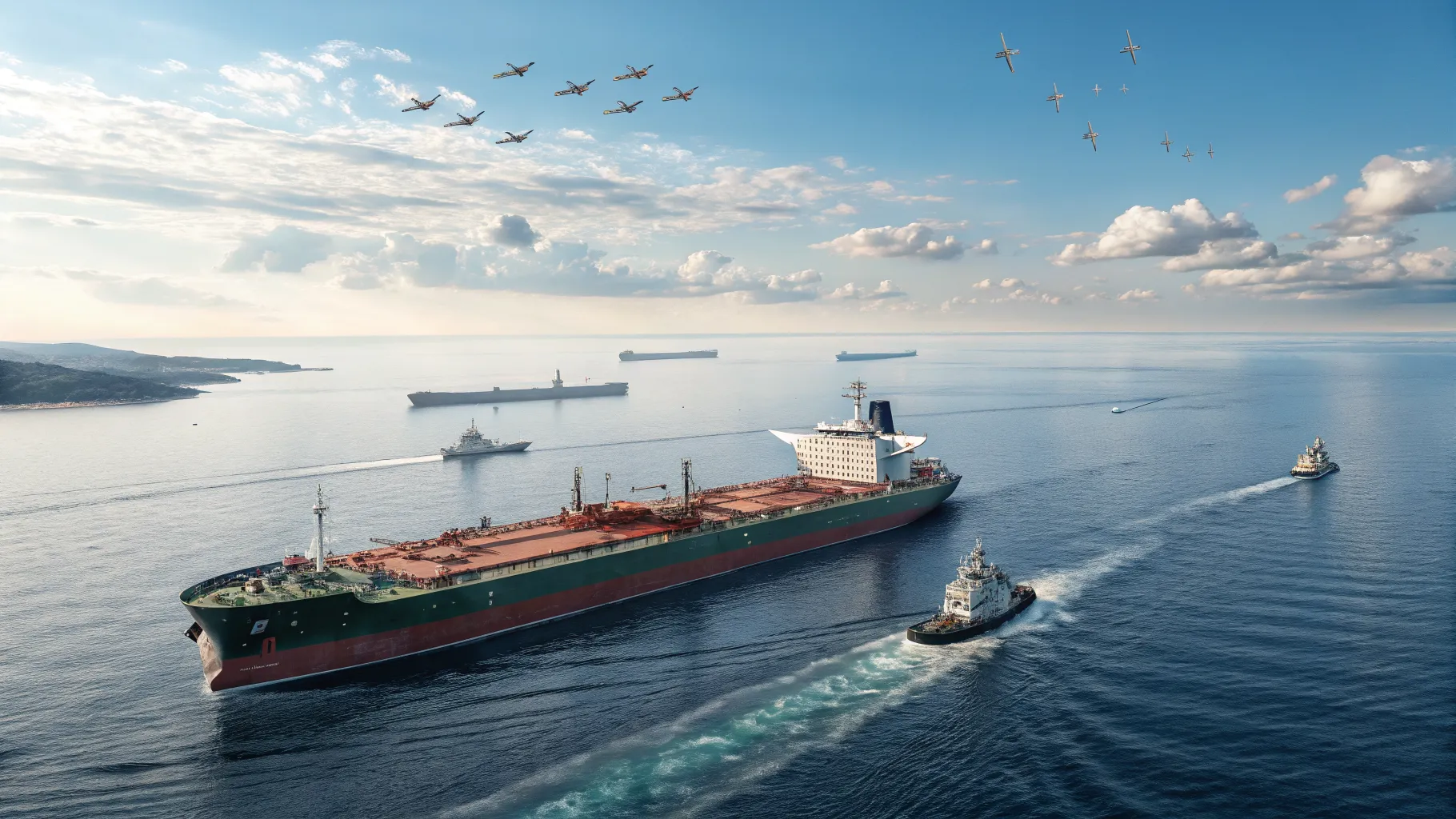
Security experts say a strike on export terminals or an attempt to hold them would likely draw a rapid and forceful response from Iran. The Islamic Revolutionary Guard Corps controls naval units, drones, missiles, and coastal defenses across the Gulf.
Targeting fixed infrastructure is hard to sustain. Storage tanks, jetties, and loading arms are large, exposed, and can be repaired, yet they are also defended. Any attacker would face layered air defenses, fast-attack craft, and the risk of mines in surrounding waters.
The political fallout could be swift. Gulf neighbors and global navies, including the U.S. Fifth Fleet, maintain patrols to protect shipping. Escalation could pull in partners and rivals alike, raising the chance of miscalculation across a crowded waterway.
- Heightened risk of regional escalation and retaliatory strikes.
- Threats to commercial shipping through Hormuz.
- Insurance and freight rates rising for energy cargoes.
- Potential disruption to allied naval operations in the Gulf.
Market Fallout and Global Impact
Oil prices historically react to Gulf tensions. Even perceived threats can add a risk premium. A hit to Iranian exports could tighten supply, especially if other disruptions occur at the same time.
Refiners in Asia, which buy significant volumes from the Middle East, would seek alternate barrels. That could shift trade flows from West Africa, the North Sea, or the Americas, raising shipping times and costs. Fuel markets would also feel strain, especially for diesel and jet fuel.
Investors often move into safe-haven assets when shipping risk rises. That can push currencies and equities in energy-importing countries under pressure, while boosting shares of producers and service firms. Policymakers may look at strategic stockpiles to calm markets if needed.
Lessons From Past Crises
The Iran-Iraq “Tanker War” of the 1980s showed how attacks on shipping ripple far from battle lines. Dozens of vessels were damaged, and neutral flags did not guarantee safety. International escorts reduced some risks, but insurance costs soared and trade slowed.
More recently, strikes on energy infrastructure in the region have led to sharp, if short-lived, price swings. These episodes show that infrastructure can be repaired, yet the psychological effect on markets can outlast the physical damage.
What to Watch
Analysts are tracking military movements near export terminals and the strait, including any signs of new air defenses or naval drills. Ship-tracking data can reveal rerouting by major tanker operators. Insurers’ war-risk premiums offer early clues to changing threat levels.
Diplomatic signals also matter. Back-channel talks, statements from Gulf capitals, and coordination among big producers can steady markets. Any announcement about strategic petroleum reserves could limit price spikes in the near term.
For now, the consensus view is caution. The costs of a direct strike or seizure attempt appear high, and the benefits uncertain. Markets and security planners will remain alert to shifts on the water and at the terminals.
In the weeks ahead, watch for changes in shipping patterns, satellite images of terminal operations, and responses from regional navies. Even minor incidents can test fragile stability. A measured approach, backed by open sea lanes and steady diplomacy, offers the best path to avoid a supply shock.

Rashan is a seasoned technology journalist and visionary leader serving as the Editor-in-Chief of DevX.com, a leading online publication focused on software development, programming languages, and emerging technologies. With his deep expertise in the tech industry and her passion for empowering developers, Rashan has transformed DevX.com into a vibrant hub of knowledge and innovation. Reach out to Rashan at [email protected]