7 Early Signs Your AI Guardrails Won’t Hold in Production
Your AI system behaves perfectly in staging. The guardrails block unsafe prompts, policy filters trigger exactly where you expect, and the red team report looks clean. Then real users arrive.


Your AI system behaves perfectly in staging. The guardrails block unsafe prompts, policy filters trigger exactly where you expect, and the red team report looks clean. Then real users arrive.
Search looks simple from the outside. A user types a few words, hits Enter, and results appear in milliseconds. Under the hood, that request kicks off a distributed system that
Most RAG systems look impressive in demos and fragile in production. The pattern is familiar. Retrieval works on a curated dataset, latency looks acceptable under light load, and the model

You rarely feel the impact of a refactor in the sprint where you do it. The tickets close. CI stays green. Velocity barely moves. Then six months later, a new
You have dashboards. Plural. They glow on wall-mounted TVs. They stream into Slack. They’re color-coded, real-time, and technically accurate. And yet, your last incident still surprised you. That’s the paradox
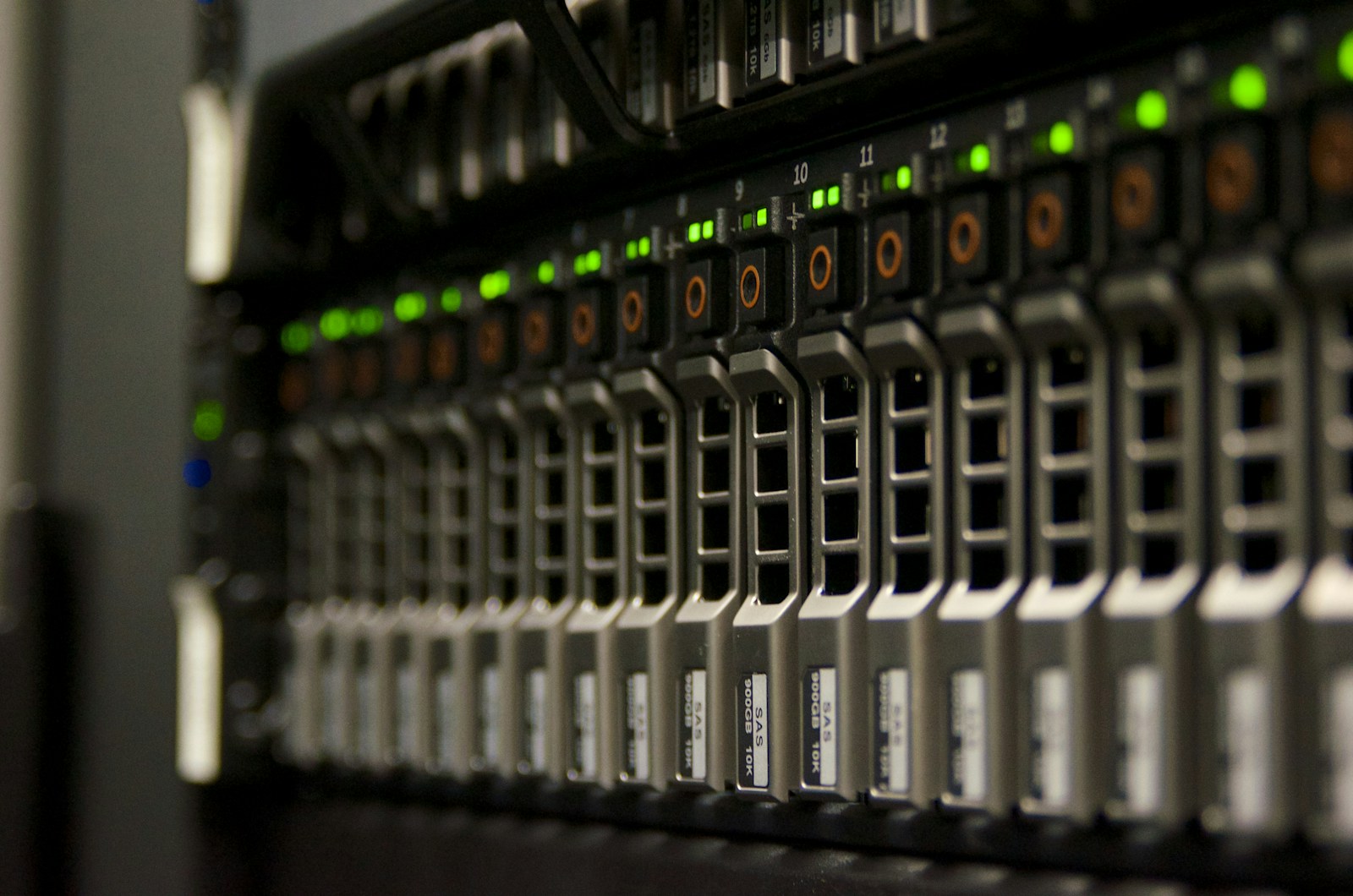
You know the feeling. Traffic doubles after a product launch. Latency crept from 80 milliseconds to 450. Dashboards turn yellow, then red. Your team stares at CPU graphs that look

You rarely wake up to architectural drift. You wake up to a sev one that makes no sense. A service that was supposed to be stateless suddenly depends on a
You launch your AI platform with clean abstractions, promising eval metrics, and a roadmap that looks reasonable on paper. Six months later, latency creeps up, GPU costs double, hallucinations spike
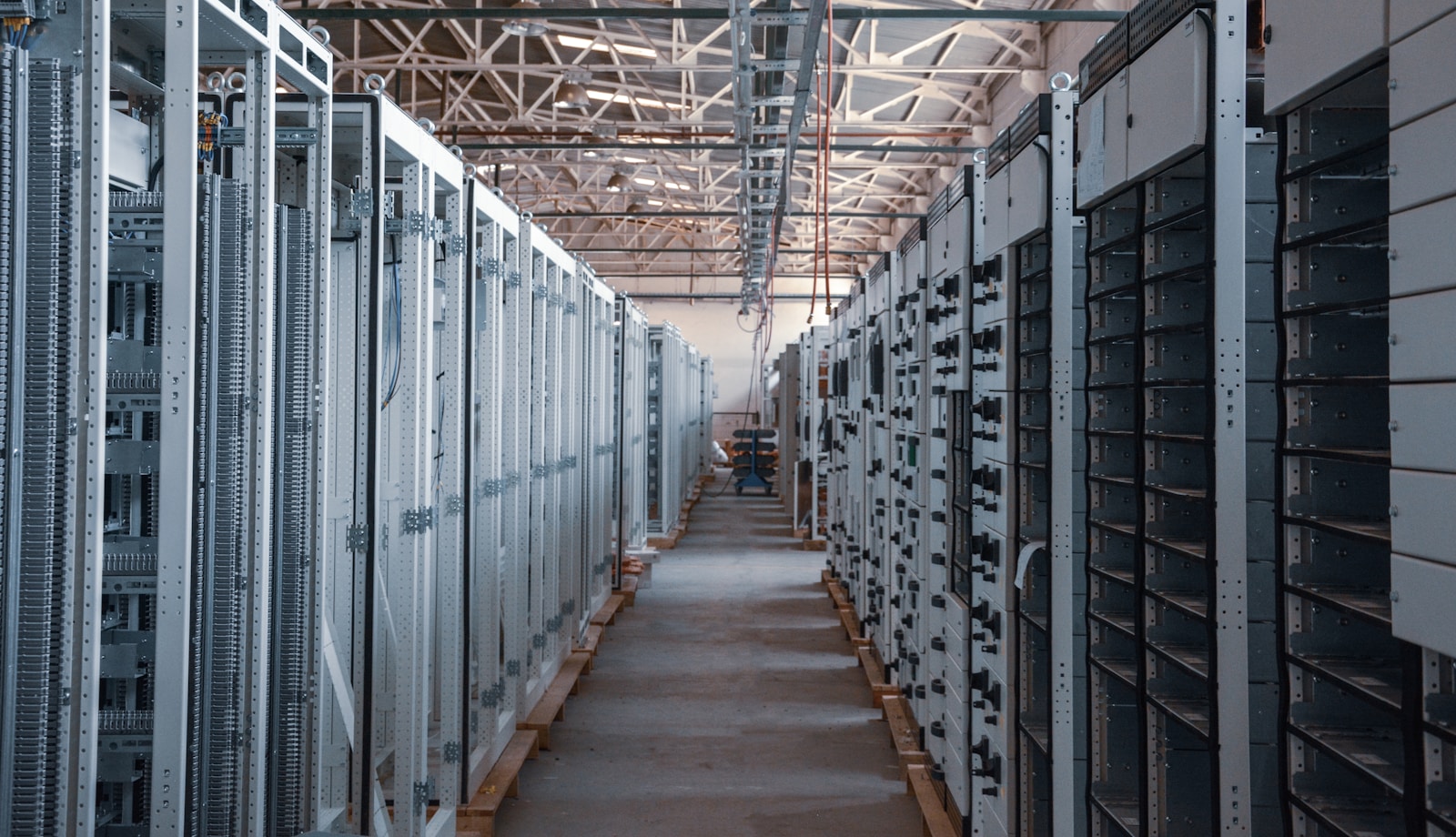
Real-time analytics sounds simple until you try to run it: ship events from a dozen systems, transform them fast, store them cheaply, and keep dashboards under a couple of seconds,