Platform-as-a-Product: How Engineering Teams Implement It
Most engineering orgs don’t set out to build a “platform.” They wake up one day and realize they already have one. It just doesn’t feel like a product. Your CI


Most engineering orgs don’t set out to build a “platform.” They wake up one day and realize they already have one. It just doesn’t feel like a product. Your CI

Most platform teams don’t fail because they lack tools. They fail because they automate the wrong things too early. You’ve probably seen this play out. A team spends six months

You add cores, raise concurrency, and even move a hot path into a faster language, yet throughput barely budges. CPU looks oddly calm. Database time is flat. Your flame graph

You don’t really notice how fragile your platform ownership model is… until someone goes on vacation. Suddenly, the deployment stalls. Alerts sit unresolved. Tribal knowledge surfaces in Slack threads like

You’ve seen this play out. A candidate clears five interview rounds, confidently discusses distributed systems, nails a system design whiteboard, and references all the right tools. Three months later, they’re
You have seen it play out. A candidate navigates a textbook system design interview flawlessly, name checks Kafka, sketches a clean microservices diagram, discusses CAP tradeoffs, and still struggles six
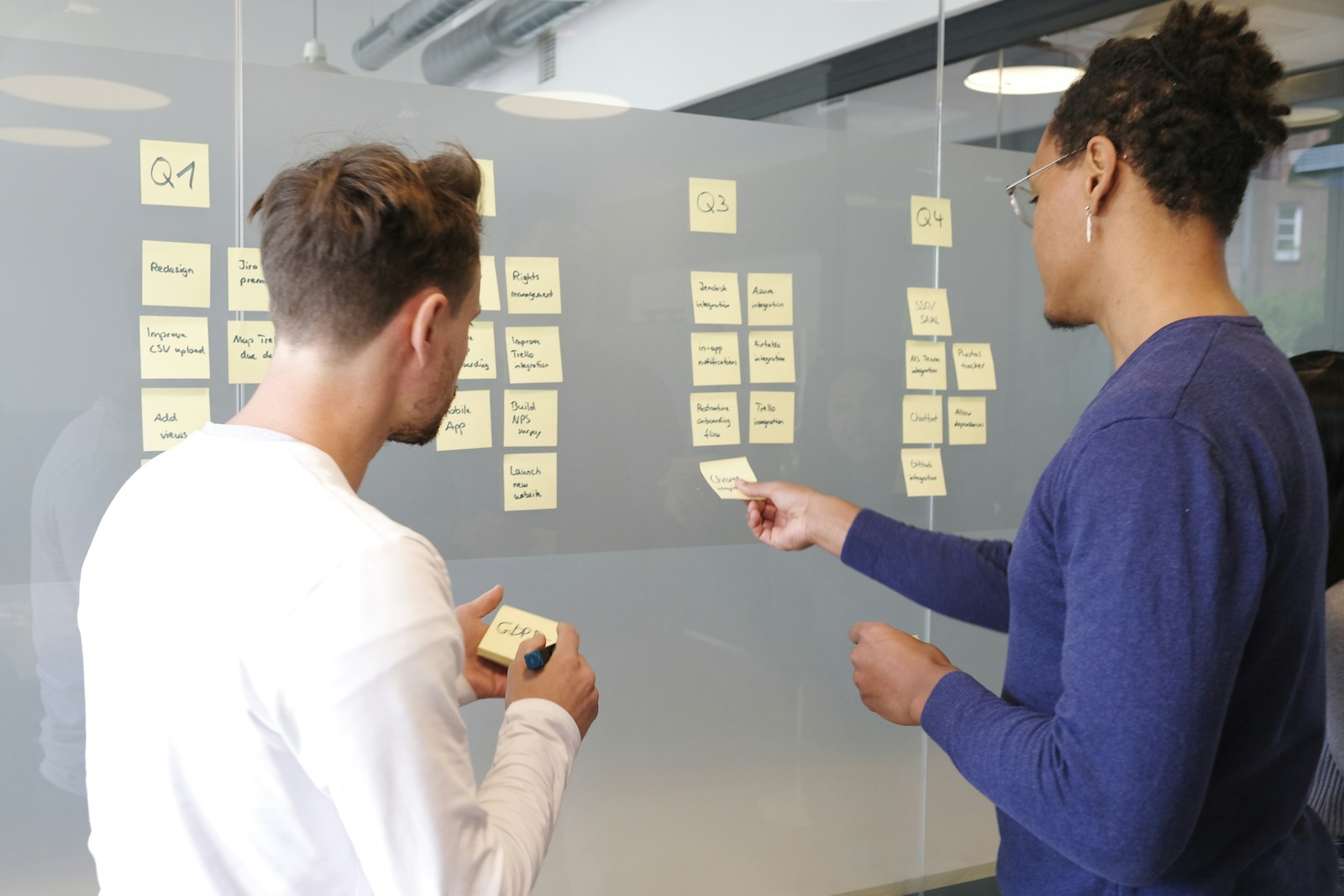
Most platform roadmaps fail in a very predictable way. They look polished, they list the right buzzwords, and they completely ignore how engineering actually works. You’ve probably seen it: a

You feel it the moment a production incident cuts across three systems, and nobody owns the full path. The frontend specialist blames the API, the API engineer points at the

You’ve seen it in production. Everything looks fine at 40 percent load, maybe even 60. Then latency spikes nonlinearly, tail latencies explode, and autoscaling barely helps. The usual dashboards do