Researchers at the University of Waterloo have developed a highly sensitive radar technology capable of unobtrusively monitoring heartbeats. This technology has the potential to transform everyday environments into early warning systems for heart issues. Dr.
George Shaker, an adjunct associate professor of electrical and computer engineering, has led a team in creating a small radar device envisioned for widespread use, from car seats to office chairs and couches. Imagine a future where your car, your couch, and even your office chair don’t just support your body – they also actively protect your health by serving as early warning systems,” Shaker said. If widely adopted, this technology has enormous potential to save lives.”
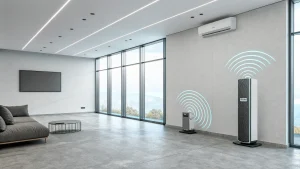
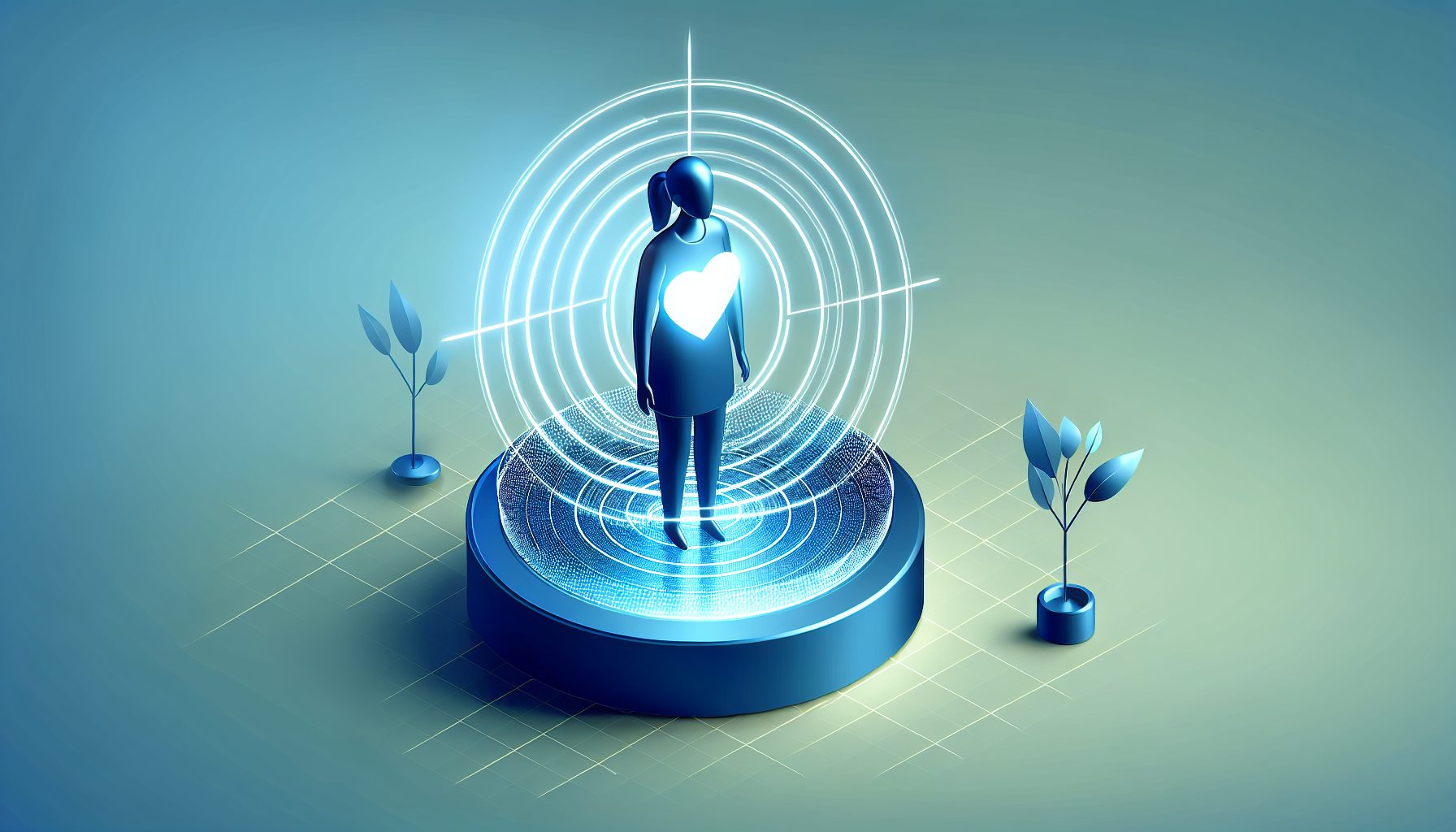
The innovative device, a cellphone-sized box, emits radar waves that detect the minuscule chest movements caused by a beating heart.
These radar signals, invisible to the naked eye, are processed by an advanced computer system aided by artificial intelligence (AI) to develop a detailed heartbeat profile. Unlike wearable devices that require charging and manual usage, this radar operates continuously in the background. “Radar works continuously in the background,” Shaker noted.
It can monitor heart activity, stress, fatigue, and potential cardiac risks whether you’re driving, watching TV, or sitting at your desk.
The device also measures the corrected QTc interval, a critical marker for cardiac risk, indicating the time a heart takes to reset between beats.
Radar tech transforms health monitoring
An extended QTc interval can signal a higher risk of significant cardiac events, including heart attacks.
“Healthy people have a specific heartbeat signature,” explained Shaker. “But in people with prolonged QTc, this pattern changes. By picking up on this shift, our system can act as an early warning tool for cardiac risks.”
Results generated by the system are comparable in accuracy to medical-grade electrocardiograms (ECGs), produced in just a few minutes.
It can also monitor heart-rate variability (HRV), another important heart health indicator, with millisecond precision. The team’s breakthrough, including contributions from experts in several engineering disciplines and public health at Waterloo, as well as a mathematician from the National Aerospace University in Ukraine, has resulted in specialized hardware and algorithms that filter out noise from other body movements to clear heart signals. Ali Gharamohammadi, a Waterloo PhD graduate, was the lead author of the research published in Nature Scientific along with 12 other co-authors.
Researchers are now enhancing AI integrations to make the system even more predictive and are expanding testing across a wider range of cardiovascular conditions. Efforts to commercialize the technology are ongoing. “Radar sensors preserve privacy and are small, scalable, and cost-efficient,” said Shaker.
As production ramps up, this could become a standard feature in smart homes and vehicles, as commonplace as seatbelts or airbag sensors.

Johannah Lopez is a versatile professional who seamlessly navigates two worlds. By day, she excels as a SaaS freelance writer, crafting informative and persuasive content for tech companies. By night, she showcases her vibrant personality and customer service skills as a part-time bartender. Johannah's ability to blend her writing expertise with her social finesse makes her a well-rounded and engaging storyteller in any setting.