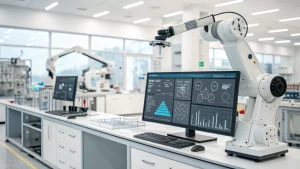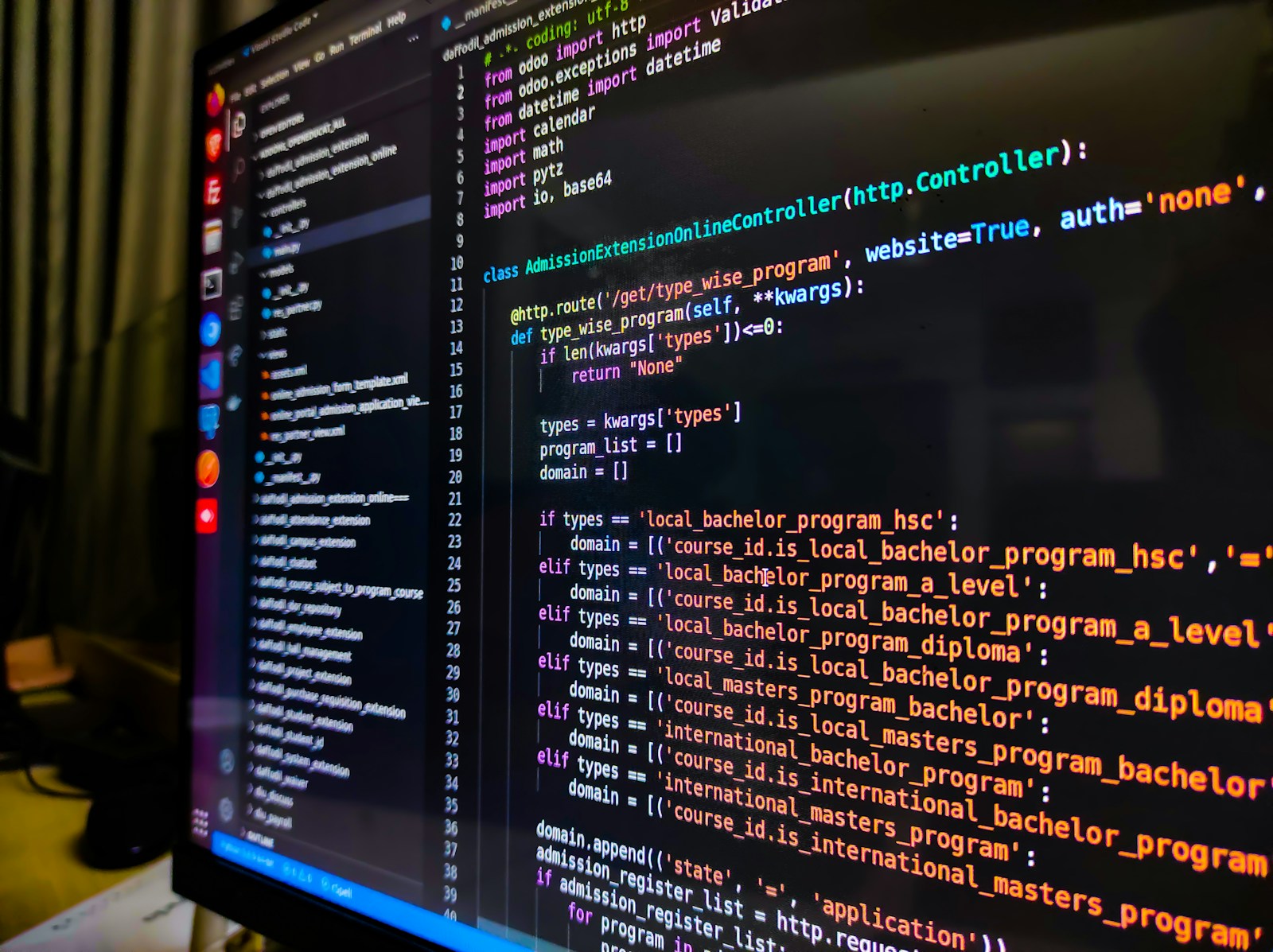
Sam Altman, the CEO of OpenAI, predicts that by 2025, software engineering will be unrecognizable. AI is becoming the programmer, writing code, running tests, and catching bugs at lightning speed. This means faster development, more efficient software, and potentially, a boom in innovation.
However, with great power comes great vulnerability. The same speed and efficiency that makes AI so exciting also creates new opportunities for hackers. As AI-powered development takes off, it opens up a whole new frontier for cyberattacks.
The more AI is involved in creating software, the more we need AI to protect it. One major shift Altman foresees is the democratization of software development. AI is making it easier for anyone to become a software developer.
This will help small start-ups create custom solutions or individuals bring their app ideas to life. On the flip side, it also means a potential flood of new software, some of which may be poorly written and riddled with security holes. AI tools can be a powerful ally in the fight against cybercrime.
AI-powered security tools can analyze massive amounts of data to spot threats, predict attacks, and even respond in real time.
Ai-driven software challenges
This is crucial because cyberattacks are getting more sophisticated every day.
Software engineers and cybersecurity professionals will need to evolve. Instead of just writing code, software engineers will become more like architects, designing systems and guiding AI. Cybersecurity experts will need to become AI whisperers, understanding how AI works and how to protect against AI-powered attacks.
A 2023 report, “The Future of Jobs Report,” highlights the increasing demand for roles requiring complex problem-solving, critical thinking, and creativity—distinctly human skills. These skills are crucial for bridging the gap between human needs and AI capabilities. Software engineers will need to translate business requirements into AI-understandable language, collaborate with cross-functional teams, and manage the complexities of AI-driven projects.
This evolution demands a proactive approach to education and training. Universities and training programs need to adapt their curricula to focus on these skills and provide students with hands-on experience in working with AI. Continuous learning will be crucial for professionals to stay ahead of the curve and adapt to the rapidly changing demands of the AI-driven software landscape.
The software revolution is on our doorstep. AI can transform our world for the better, but only if we address the cybersecurity challenges head-on. We need to invest in AI security research, train the next generation of tech professionals, and establish clear ethical guidelines for AI development.
The future of our digital world depends on it.

Cameron is a highly regarded contributor in the rapidly evolving fields of artificial intelligence (AI) and machine learning. His articles delve into the theoretical underpinnings of AI, the practical applications of machine learning across industries, ethical considerations of autonomous systems, and the societal impacts of these disruptive technologies.