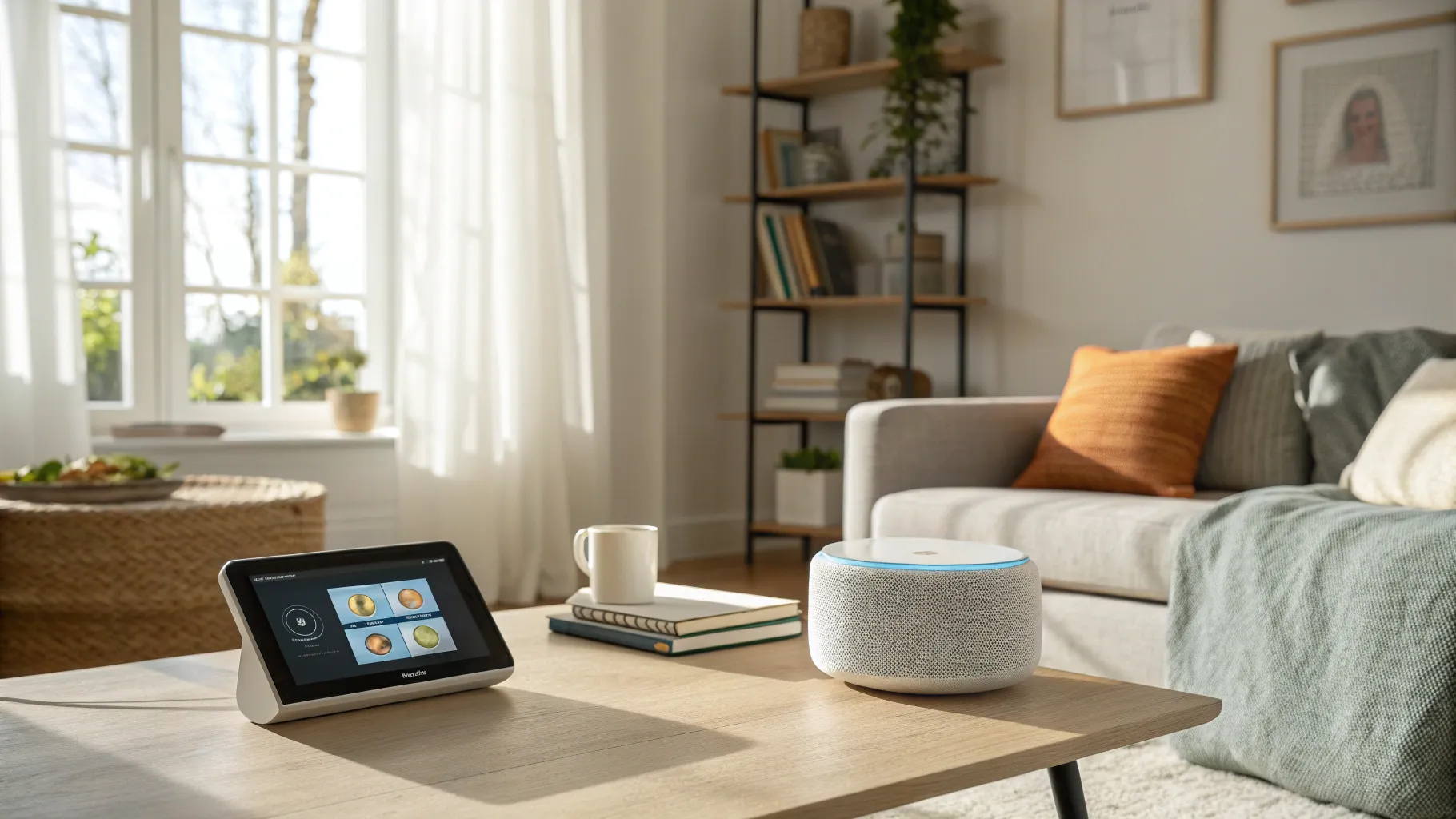
One of the most asked questions to Amazon’s voice assistant this year is not a complex request, but a basic one. Users are asking Alexa what artificial intelligence is, signaling a surge in curiosity and confusion as AI tools reach mainstream homes.
The question sums up a broader moment in tech. Smart speakers sit in kitchens and living rooms, while new AI features roll out on phones, TVs, and cars. People are trying to make sense of it, and they are turning to the device already on the counter.
“What does AI mean?”
The query is short. The implications are large. It suggests that many users want plain language, not product pitches or code words, as AI becomes part of daily life.
A Simple Question, Big Signal
Voice assistants have long handled timers, music, and weather. The rise of generative tools changed what users expect. Now people ask about the tech itself. They want to know how it works, when to trust it, and where it fits.
Consumer surveys in the past year show strong interest in AI mixed with uncertainty. Many respondents say they are unsure how these systems learn or how answers are produced. That aligns with the question echoing across millions of homes.
Smart speakers are often the first contact point for AI. The device is always on, easy to use, and feels safe to question. That makes it a barometer for public understanding.
Why Users Ask Smart Speakers About AI
There are practical reasons people ask for help defining AI through a device that runs on AI.
- Convenience: It is faster to ask the nearest speaker than to search the web.
- Trust: The assistant uses a familiar voice and format.
- Clarity: Users want simple explanations without jargon.
Educators report a rising number of basic questions from families and students. Workers ask similar questions in offices now filled with AI pilots. In both settings, a quick answer reduces confusion and sets a shared baseline.
How Companies Are Responding
Tech companies are adding explainers, help pages, and safety guides. They frame AI features in plain terms and provide examples users can test. Some offer short audio lessons through their assistants to define common terms.
Industry leaders also stress responsible use. They encourage users to check sources, understand limitations, and know when to seek a human expert. Clear guidance helps manage risk and builds realistic expectations.
Privacy remains a top concern. Companies say they are tightening controls, improving on-device processing, and giving users more settings. Clear disclosures about how voice data is handled can build confidence during this learning phase.
Impact on Voice Assistants
The wave of basic AI questions could shape product design. If users want explanations, assistants must get better at teaching, not just doing. That means short, accurate definitions and links to deeper resources on request.
Product teams may also rethink metrics. It is not only about task completion. It is about clarity and trust. A good answer leaves a listener with less confusion and a safer next step.
Competition is pushing change. Apple, Google, and Amazon are blending chat features with voice control. If assistants can explain AI in plain language, they may win loyalty as guides, not only as tools.
What Comes Next
Public questions will move from “what is it” to “how should I use it.” The next wave of queries will likely focus on homework, workplace tasks, media, and home devices. Users will ask when AI is helpful and when it is not.
That shift creates an opening for better standards and clearer rules. Schools, offices, and platforms are drafting policies. The goal is to set simple guardrails that match real use.
The assistant that answers well can set the tone for how people adopt new tools. A clear, careful response today could build habits that last.
For now, the message from living rooms is plain. People want straight answers on artificial intelligence, delivered in everyday words. Smart speakers, often the first line of tech support at home, are on the spot to deliver. The next test will be whether those answers help families and workers use AI safely, fairly, and with confidence.

Senior Software Engineer with a passion for building practical, user-centric applications. He specializes in full-stack development with a strong focus on crafting elegant, performant interfaces and scalable backend solutions. With experience leading teams and delivering robust, end-to-end products, he thrives on solving complex problems through clean and efficient code.