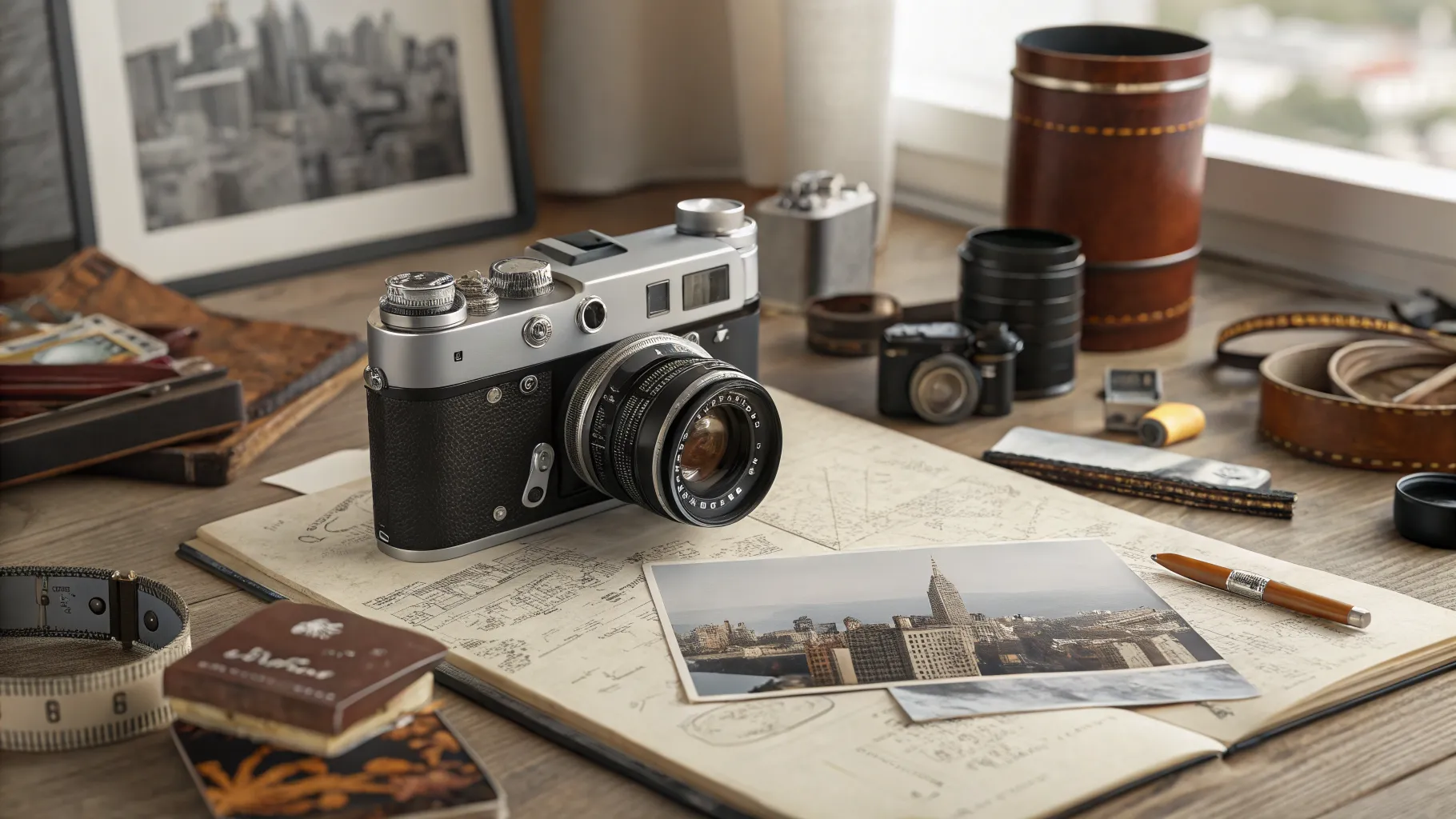
Even as artificial intelligence reshapes photo apps and phones get smarter, film cameras are holding their ground. Across major cities and small towns, interest in instant film and retro-style gear is rising again, driven by a mix of memory and curiosity. The pull is simple: people want pictures that feel personal and tangible in a time of endless screens.
“In an AI and digital world, analog instant film and retro-style cameras continue to remain popular, fueled by a mix of both nostalgia and novelty.”
From Polaroids To Phone-Centric Life
Instant film first gained mass appeal in the mid-20th century, when Polaroid cameras turned waiting into part of the fun. The digital boom in the 2000s pushed film aside, as storage got cheaper and sharing moved online. Yet the last decade has seen a steady return of film-based formats. Brands such as Fujifilm with Instax and the revived Polaroid name now stock shelves in big-box stores and boutique camera shops alike. Used film bodies sell briskly, and repair shops report busy benches.
Why People Reach For Film
The draw blends sentiment with a fresh experience. For some, film recalls family albums and the feel of print paper. For others, it is a new craft with clear limits that encourage patience.
- Nostalgia: Prints to hold, swap, and display on walls or fridges.
- Novelty: A slower process that turns each shot into a small event.
- Community: Clubs, photo walks, and swap meets support shared learning.
- Aesthetic: Grain, color shifts, and light leaks create a distinct look.
The Business Response
Camera makers have leaned into the resurgence with new instant models, film stocks, and accessories. Entry-level instant cameras target first-time users. Premium models offer manual controls for hobbyists. Film labs have expanded mail-in services and same-day processing where demand allows. Retailers bundle film packs with cameras to keep costs predictable for new buyers. Meanwhile, phone makers add “film” filters, a nod to styles people want to recreate.
Social Media’s Hand In An Analog Habit
Ironically, digital platforms help fuel analog interest. Short videos show the ritual of loading film, shooting, and waiting for a print to appear. Hashtags around instant film and 35mm share results that look and feel different from algorithm-tuned mobile photos. Younger users, who grew up with phones, treat film as a fresh medium with clear boundaries. The waiting becomes part of the story.
Limits That Shape The Picture
Film costs money per shot. That constraint changes behavior. Photographers slow down, meter light, and think before pressing the shutter. Many say the process improves composition and reduces the temptation to overshoot. The physical print settles the urge to scroll. A small stack of pictures can outlast a lost password or a dead phone.
Costs, Access, And Environmental Questions
Price remains a hurdle. Film, batteries, and processing add up. Instant packs are not cheap, and supply can be uneven. Some regions lack local labs and rely on mail-in services. Environmental impact is another concern. Single-use cartridges and chemical processing raise questions about waste. Companies are researching materials, but progress varies. Users respond by shooting thoughtfully, sharing gear, and learning home development where safe and permitted.
Blending Old And New
Hybrid workflows are common. Photographers shoot film, scan negatives, and share online. Instant prints get photographed for social feeds. Accessories bridge formats, such as smartphone printers that mimic instant film framing. The mix shows that analog and digital are not rivals so much as complementary tools. Each serves a different mood and purpose.
What To Watch Next
Analysts expect steady interest as long as supply chains remain stable and entry costs stay manageable. Education will matter. Workshops, school programs, and online guides can lower the barrier to entry. Retailers that offer try-before-you-buy events may help sustain the market. If AI photo tools continue to dominate mobile imaging, the human-led, slower process of film could retain its appeal as a counterweight.
For now, the message is clear. People still value the simple ritual of a camera, a roll, and a print. That blend of memory and discovery gives film a place alongside the smartest phones. Watch for more starter kits, more lab services, and more hybrid tools as makers respond to demand. The surprise is not that technology advances. It is that a shared desire for presence and proof—held in the hand—keeps an old medium alive.

A seasoned technology executive with a proven record of developing and executing innovative strategies to scale high-growth SaaS platforms and enterprise solutions. As a hands-on CTO and systems architect, he combines technical excellence with visionary leadership to drive organizational success.