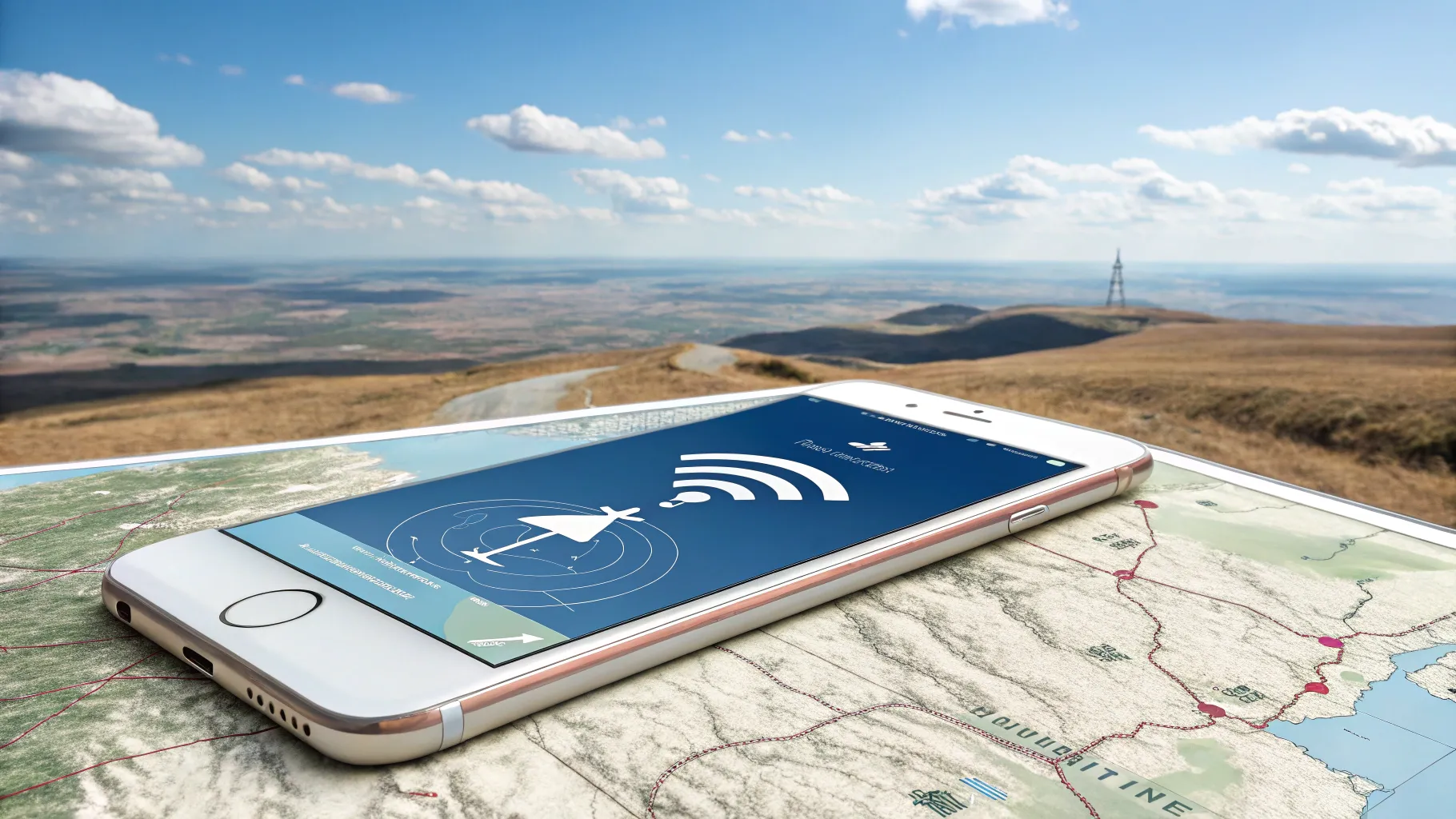
Apple is preparing a new wave of satellite-powered tools for the iPhone, building on features already used during emergencies and roadside incidents. The company has supported satellite texting, emergency contact, and roadside assistance. Now it is exploring fresh ways to keep users connected when cell towers fail or signals drop in remote areas.
“While Apple’s iPhone already supports texting, calling emergency services, and contacting roadside assistance via satellite connectivity, the company may have many more satellite-powered features in the works.”
The push comes as phone makers race to ensure reliable communication during disasters and power outages. It also aligns with growing demand for safety tools that work outside standard networks.
How Apple Got Here
Apple first introduced emergency satellite features with recent iPhone models. The service helps users reach responders when there is no cellular coverage. It also allows roadside help requests through a guided on-screen flow.
Apple partnered with satellite operator Globalstar to enable these links. The system uses special antennas and clear-sky alignment to connect to low-Earth-orbit satellites. Apple has funded network upgrades to support this traffic in multiple regions.
In recent updates, Apple expanded capabilities to include location sharing and basic messaging through satellite. The company has offered the emergency service at no cost for a limited time, signaling a long-term plan to scale the network while users learn the feature.
What New Features Could Include
People familiar with mobile safety tools expect future options to focus on reliability and ease of use. Some likely areas include:
- Richer messaging when off-grid, with auto-compression for photos or key files.
- Location-based check-ins that update family or friends on a schedule.
- Weather and hazard alerts that do not require cellular service.
- Backup navigation cues if maps lose data connections.
Any expansion would need to balance speed, battery life, and clear user prompts under stress. Short messages and guided flows are key when bandwidth is tight.
Market Pressure And Competition
Rivals are moving on satellite links as well. Carriers and space firms are testing direct-to-phone service for texting and calls. Some Android devices in China already support satellite messaging. U.S. carriers are piloting services with space partners to cover rural gaps.
At the same time, earlier efforts have stumbled. One major chip supplier ended a planned satellite texting program in 2024. That setback showed how hard it is to coordinate phones, chips, satellites, and carrier billing.
Apple’s approach has been to roll out tightly scoped features first, then widen support. This method reduces confusion and allows training for emergency dispatchers and roadside partners.
Safety, Policy, and Cost Questions
Satellite features raise important questions about access during disasters. Public safety groups want tools that keep working when storms or fires damage local networks. These tools can help dispatchers triage calls and direct rescue teams.
There are trade-offs. Satellite links require clear skies and careful phone alignment. Messages can be slower than on cellular networks. Coverage maps vary by country, and regulations differ across borders.
Pricing is another open issue. Apple has not set long-term fees for all satellite services. Emergency access may remain free or subsidized, while richer features could carry a subscription. Clear terms will matter for adoption.
What Users Should Know Now
For current iPhone owners, satellite tools are most useful when planned in advance. Users should learn how to point the phone, practice the on-screen steps, and add key medical and contact details to their profiles.
Experts suggest storing short message templates for emergencies. Brief, clear notes speed up relay times and reduce back-and-forth questions during crises.
Outlook
Apple’s continued work on satellite connectivity signals a long-term bet on off-grid communication. New features could turn the iPhone into a more dependable safety device and travel companion. They may also set a standard that rivals will need to match.
The next phase will hinge on partnerships, coverage expansion, and user education. Watch for updates tied to major software releases and regional rollouts. For now, the message is clear: when networks fail, the iPhone is being built to keep a lifeline open.

A seasoned technology executive with a proven record of developing and executing innovative strategies to scale high-growth SaaS platforms and enterprise solutions. As a hands-on CTO and systems architect, he combines technical excellence with visionary leadership to drive organizational success.