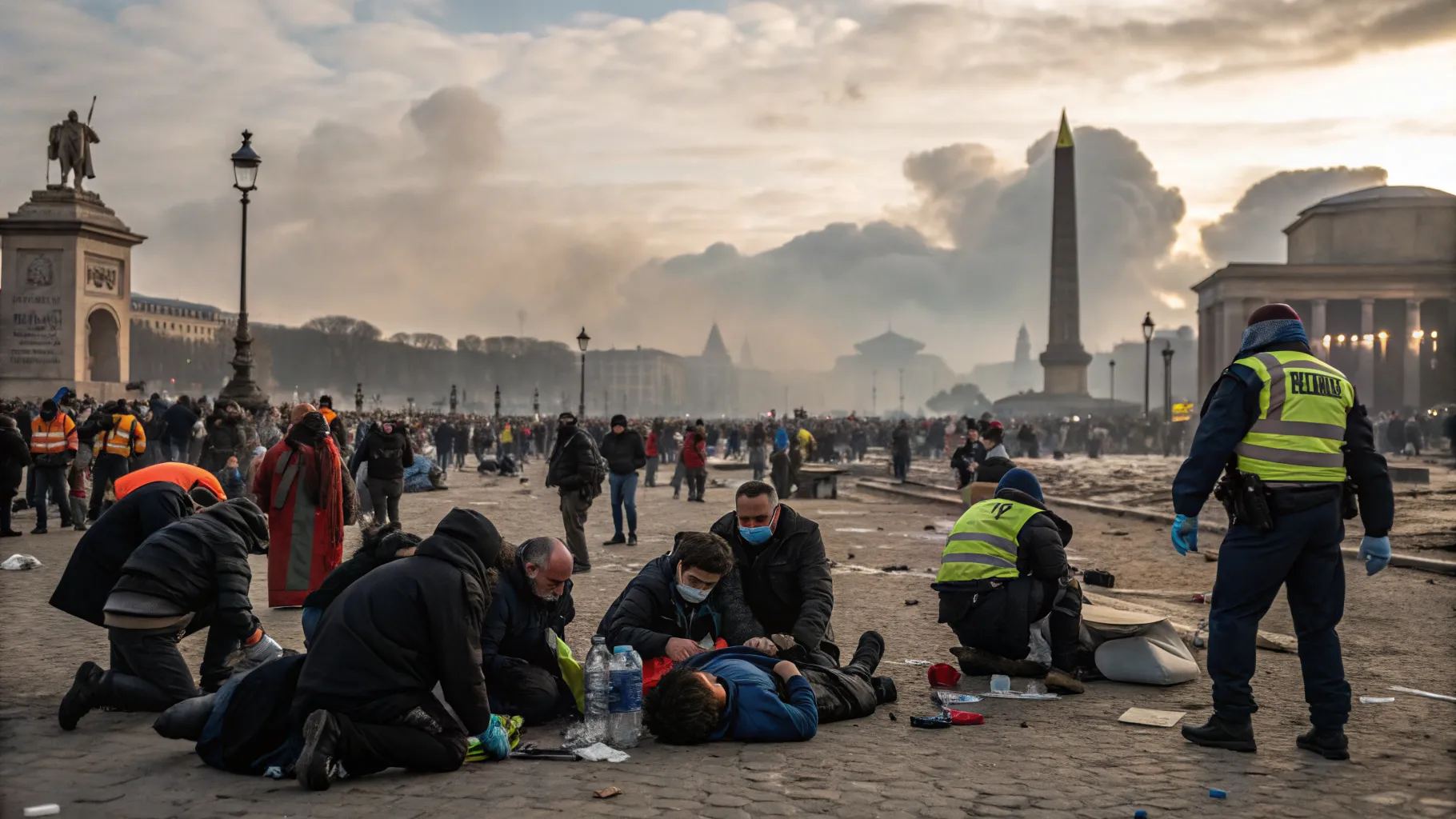
At least four people were injured at a UNESCO World Heritage site in the latest violent incident, raising fresh concerns about safety as the country prepares to co-host the World Cup. The incident occurred as officials race to secure venues and tourist areas ahead of the tournament. The injuries add to a recent pattern of sporadic violence that has unsettled residents and visitors.
At least four more injured at world heritage site in latest violent incident as country prepares to co-host World Cup
Authorities did not immediately release full details on the victims or the exact circumstances. Local officials said security teams are reviewing protocols at cultural landmarks, transport hubs, and fan zones. The event again puts a spotlight on how major hosts protect heritage areas that attract large crowds.
Rising Safety Concerns Before a Global Event
The country is in the final stretch of planning for the tournament, which will draw hundreds of thousands of visitors. Organizers want to project confidence and calm. Yet a series of recent disturbances has fueled debate about readiness. City leaders have pledged visible patrols, rapid response teams, and closer coordination between local police and national agencies.
Sports economists warn that perceptions matter. Even a small number of violent episodes can lead to trip cancellations, higher insurance costs, and stricter rules around public gatherings. Tourism groups say messaging should be clear and consistent to avoid panic while taking the threat seriously.
Heritage Sites Under Strain
UNESCO sites are magnets for tourists. They are also complex to secure. Many were built centuries ago. Narrow alleys, old walls, and dense markets can slow evacuations. Preservation rules limit heavy construction and modern barriers. This creates a trade-off between open access and tighter controls.
Security planners often rely on crowd management and intelligence over hard fortifications. They map entry points, monitor foot traffic, and rehearse routes for emergency crews. Specialists caution that the most effective steps are often simple: improved lighting, clear signage, and trained stewards who can spot risks early.
Economic Stakes and Public Sentiment
The World Cup is expected to boost local businesses, hotels, and transport services. Any disruption near iconic sites could dampen that lift. Shop owners near major attractions are already adjusting hours and adding cameras. Some residents welcome the extra patrols. Others worry about over-policing and restricted access to public spaces.
Civil society groups have urged transparency about incident data and security spending. They argue that trust grows when communities are informed and involved. Event planners say they are holding briefings with neighborhood leaders and tourism operators to share updates.
What Authorities Are Likely Weighing
In coming days, officials are expected to revisit risk plans for crowded districts and cultural zones. Common steps in similar situations include:
- Increasing uniformed patrols at key choke points and entry gates.
- Deploying plainclothes teams to monitor crowds and deter copycats.
- Testing emergency communications and mass-notification systems.
- Reassessing bag checks, queue layouts, and vehicle access rules.
- Running joint drills with medical and fire services.
Balancing Openness and Safety
Organizers face a familiar tension. Fans want easy movement and festive spaces. Heritage stewards want to protect fragile sites from damage. Security chiefs want control points that can stop threats. Success often depends on coordination and clear lines of command. Experts point to real-time monitoring centers that link transport, police, and venue managers during peak hours.
Communication will also be key. Visitors need timely guidance on routes and restrictions. Residents need advanced notice of closures and patrol surges. Clear, multilingual signs and public briefings can reduce confusion and rumor.
The injuries at the heritage site have sharpened the focus on these trade-offs. Officials will face pressure to show quick fixes and long-term plans. For now, the priority is stabilizing tourist areas and reassuring fans. The run-up to the tournament will test whether safety upgrades can keep pace with crowds. Watch for updated security advisories, revised crowd plans at cultural landmarks, and joint training exercises in the weeks ahead.

Rashan is a seasoned technology journalist and visionary leader serving as the Editor-in-Chief of DevX.com, a leading online publication focused on software development, programming languages, and emerging technologies. With his deep expertise in the tech industry and her passion for empowering developers, Rashan has transformed DevX.com into a vibrant hub of knowledge and innovation. Reach out to Rashan at [email protected]