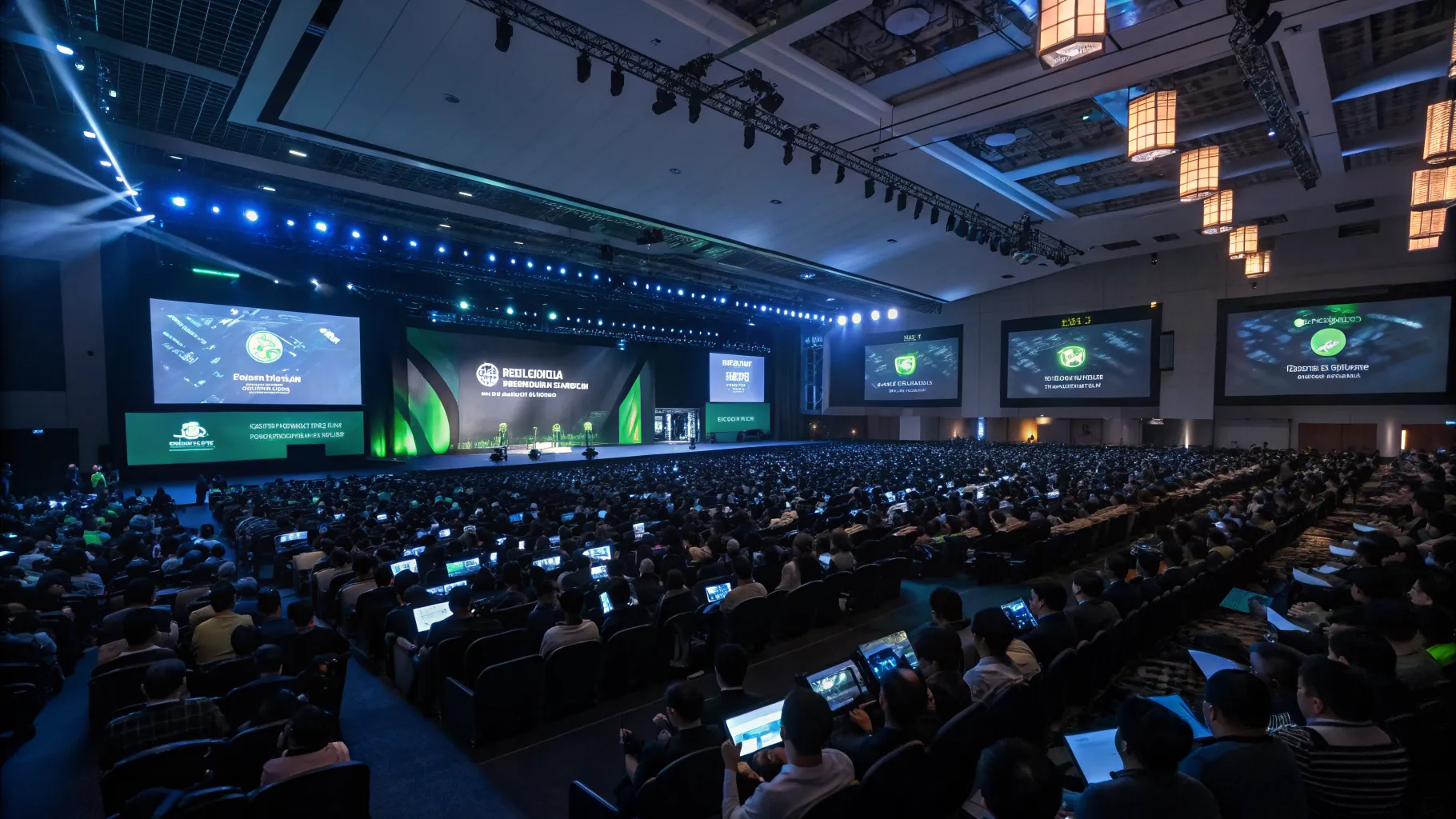
Anticipation is building in Taipei as industry watchers await Nvidia’s headline keynote at Computex on Sunday night. The event is set to anchor one of the world’s largest technology trade shows, drawing attention from chipmakers, device brands, cloud providers, and investors who are tracking the next phase of artificial intelligence hardware and software. The timing places Nvidia at the center of this year’s show, where supply, performance, and strategy are in the spotlight.
Computex has long served as a launchpad for new processors, graphics cards, and data center systems. In recent years, it has also become a key forum for AI announcements, reflecting the shift from consumer PCs to server infrastructure and edge computing. Nvidia’s rise as a supplier for AI training and inference has made its keynote a bellwether for how the industry plans capacity, capital spending, and product roadmaps.
Why the Keynote Matters
Nvidia’s announcements can shape how partners plan their year. System builders tune designs to match power, cooling, and networking requirements. Cloud firms monitor performance-per-watt and software updates. Component suppliers watch for signals on memory, packaging, and networking standards.
Investors also pay close attention. Past product reveals have influenced market expectations for data center demand and the pace of AI adoption across sectors like healthcare, automotive, and finance. The keynote’s timing at Computex adds a global stage, with executives, engineers, and media on site.
What to Watch at Computex
- AI compute roadmaps: clarity on training and inference hardware, software stacks, and timelines.
- Partner ecosystems: collaborations with server makers, cloud providers, and software vendors.
- Supply signals: hints on capacity, lead times, and component availability.
- Power and efficiency: performance-per-watt metrics and cooling approaches for dense racks.
- Edge and PC tie-ins: how AI features move from data centers to laptops, workstations, and devices.
Market and Industry Stakes
The AI boom has strained supply chains, with high-bandwidth memory, advanced packaging, and networking in high demand. Any guidance on production or shift in configurations could ripple through contract manufacturers and component suppliers. PC makers, meanwhile, are pitching AI features to revive shipments after years of uneven demand. They will be looking for software and hardware cues that help turn demos into daily use.
Data center operators face rising energy costs. Efficiency claims carry more weight than flashy benchmarks. The keynote may offer updates that help customers estimate total cost of ownership, a key factor in long-term planning.
Voices and Expectations
The mood ahead of the show is summed up by a simple refrain heard across show floors and online forums:
“All eyes are now on Nvidia’s keynote at Computex on Sunday night.”
Analysts expect a mix of hardware and software news, with attention on developer tools and compatibility across existing systems. System integrators want clear guidance on reference designs and networking. Startups hope for ecosystem support that lowers barriers to building AI services.
Rivals and partners are also set to make announcements at Computex. That gives buyers a chance to compare approaches on price, availability, and performance. The balance between proprietary stacks and open standards remains a key flashpoint for developers who prize portability.
Context From Recent Cycles
Over the past year, AI demand has driven record spending on accelerators and supporting gear. Nvidia’s earlier developer events highlighted new architectures and software features for scaling large models. At Computex, the company often uses the stage to connect those roadmaps to manufacturers in Asia, where many systems are built and shipped.
That context adds weight to any update on production, reference platforms, or timelines. Even small shifts in priorities can reshape which servers reach buyers first and how quickly new features arrive in the field.
As the keynote approaches, expectations are high but practical. Buyers want clarity. Engineers want details. Partners want stable targets for designs. The coming hours will show how Nvidia addresses each audience and whether it sets the tone for the rest of the show.
For now, the message is simple: watch the stage on Sunday night. The outcomes could influence budgets, build plans, and product launches through the rest of the year. Readers should look for specifics on availability, efficiency, and ecosystem support—signals that matter as much as raw speed.

Kirstie a technology news reporter at DevX. She reports on emerging technologies and startups waiting to skyrocket.