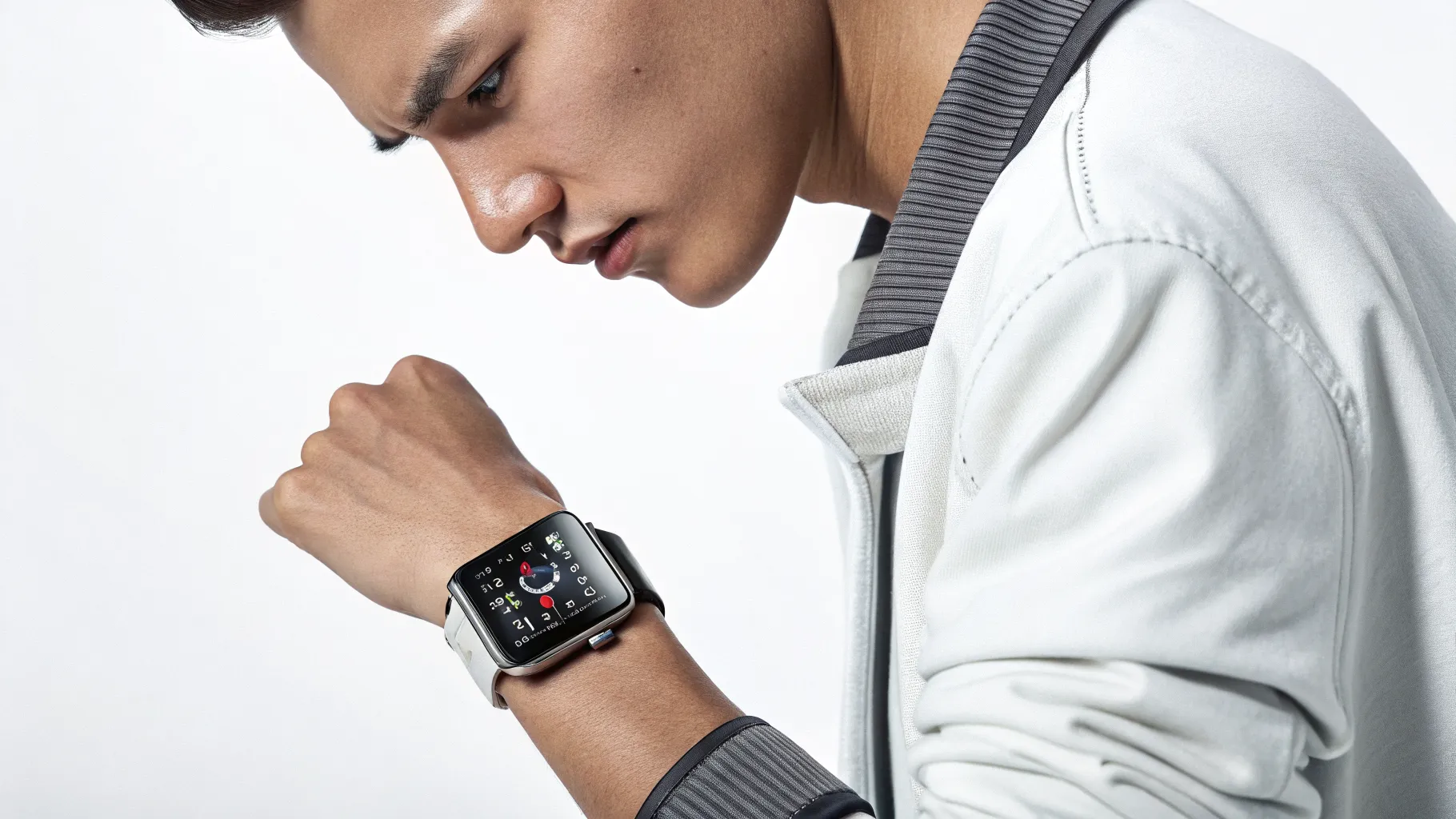
Google has signaled a permanent turn in its wearable strategy, confirming that the standalone Fitbit app once used on smartwatches will not return. The company says it is investing in future integrations, but the legacy app experience is ending. The update matters for smartwatch owners who relied on Fitbit’s on-watch app and for developers tracking where Google is heading with health and fitness.
A Shift After the Fitbit Acquisition
Google completed its purchase of Fitbit in 2021, gaining a large base of fitness users and a catalog of devices. Since then, the company has worked to fold Fitbit features into its own products. The Pixel Watch placed Fitbit at the core of health tracking, while other lines have leaned on Google Fit and newer data-sharing systems.
Over the last two years, Fitbit has retired several older features and services. The company ended some community challenges, wound down certain developer tools, and moved accounts into Google’s system. These steps suggested a move away from standalone Fitbit software on third-party platforms and toward tighter integration with Google hardware and services.
What Users Were Told
“Google is working on it, but the Fitbit app isn’t coming back.”
The message is clear: Google plans to improve health experiences across its ecosystem, but it will not restore the previous Fitbit smartwatch app. For users who preferred running Fitbit directly on their watch, this confirms that the change is final.
Why Google Is Making the Change
Integrating Fitbit features into Google’s own devices and services allows more consistent performance and security. It also simplifies support and updates. Instead of maintaining different app versions across many watches, Google can focus on core platforms like the Pixel Watch and Android’s health data layer.
The company has also been pushing Health Connect, a framework on Android that lets health and fitness apps share data with user permission. That can reduce duplication while giving people a central place to manage what gets shared and where it goes.
Impact on Wearables and the Market
The decision puts more weight on Google’s first-party hardware. Pixel Watch users already get deep Fitbit features, while owners of other smartwatches may need to rely on phone apps, system tiles, or third-party services for similar functions. This could nudge some buyers toward Google’s watches, while others may stay with brands that keep standalone on-watch apps.
For developers, the message is to build against Google’s current health stack rather than expect legacy Fitbit apps to return. That could mean more apps tapping Health Connect and closer ties between watch faces, sensors, and system fitness features.
Options for Affected Users
People who miss the on-watch Fitbit app still have choices. Many features remain available through the Fitbit phone app and on compatible devices. On newer Android phones, Health Connect can bridge data between apps like Fitbit, Strava, and others, with user consent. On Google’s watches, Fitbit remains central to activity tracking and coaching.
- Use the Fitbit phone app to view trends, sleep, and workouts.
- Enable Health Connect to share fitness data across supported apps.
- Consider watch tiles, complications, or notifications for quick stats.
- Check brand-specific stores for alternatives that run on your watch.
What Comes Next
Google says it is “working on it,” which points to more features that blend Fitbit with Android and Wear OS. Expect improvements in data accuracy, battery efficiency, and privacy controls across Google’s health stack. Watch makers may also release updates that tie into Health Connect and system-level activity tracking.
The broader trend is clear. Health features are moving deeper into operating systems and first-party devices. That gives companies more control over the user experience but leaves less room for legacy, standalone watch apps.
For now, the takeaway is straightforward. The old Fitbit smartwatch app is gone for good. Users should look to the Fitbit phone app, Google’s Pixel Watch experience, and Health Connect for fitness tracking. The next wave of updates will likely center on tighter integration, clearer permissions, and smoother sharing between the apps people already use.

A seasoned technology executive with a proven record of developing and executing innovative strategies to scale high-growth SaaS platforms and enterprise solutions. As a hands-on CTO and systems architect, he combines technical excellence with visionary leadership to drive organizational success.