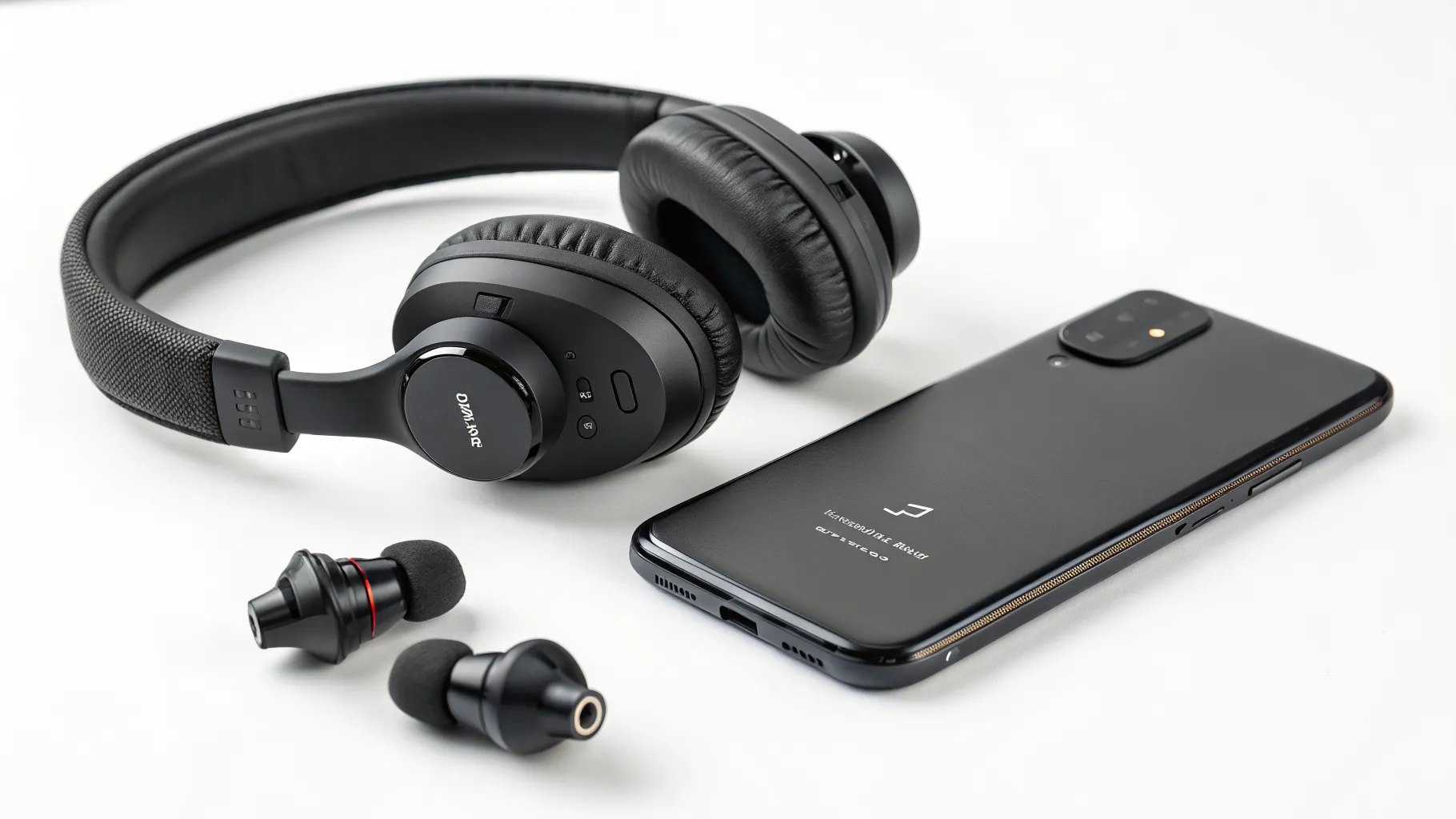
Wireless audio is edging into higher fidelity as makers signal a new push for stronger noise control and true lossless playback over Bluetooth. The move, discussed this week in product briefings and developer talks, points to a near-term shift in how headphones and earbuds process sound. The aim is simple: deliver studio-grade music and clearer calls without wires, and do it without draining batteries.
At the center of the message was a short promise that packed weight:
Better sound cancellation and support for lossless Bluetooth audio.
That pledge puts pressure on codec designers, chipmakers, and streaming services to align on formats and power budgets. It also raises a question for buyers: will upcoming devices finally match wired performance in daily use?
What the Next Wave Promises
Active noise cancellation has improved with smarter microphones and machine learning on tiny chips. The next step is reducing hiss, wind noise, and low-frequency hum while keeping voices natural. Lossless audio over Bluetooth adds another layer, seeking to send music bit-for-bit without compression that changes the original file.
Today, most wireless headphones use compressed codecs. Listeners often hear good quality, but not the exact master. Lossless would change that on compatible devices, if bandwidth and power constraints are solved.
Why True Lossless Over Bluetooth Is Hard
Bluetooth radio links have limited throughput and must share bandwidth with controls, calls, and other tasks. That forces trade-offs between sample rate, bit depth, and stability in crowded areas like subways and offices.
Engineers are working on newer standards and chips to ease those limits. Bluetooth LE Audio and its LC3 codec aim for better quality at lower bitrates. Competing systems claim lossless at select bitrates under ideal conditions. Real-world performance depends on both the phone and the headphones, as well as nearby wireless traffic.
Power use is another challenge. Lossless streams move more data, which can shorten battery life. Designers must tune antennas, firmware, and buffering so music stays stable without frequent dropouts.
What It Means for Listeners and Creators
For casual listeners, stronger noise cancellation means clearer podcasts and calls on busy streets. For music fans, lossless over Bluetooth could bring detail now reserved for wired gear. The change could also reshape how people judge premium headphones, shifting focus from brand to measurable clarity.
Artists and studios stand to gain if more people can hear the full master. Many streaming platforms already offer lossless catalogs. Wireless support would remove the last common barrier between studio files and on-the-go listening.
Compatibility, Standards, and Trade-Offs
Not every device will support the same features at launch. Buyers should look for:
- Codec support that states lossless or near-lossless modes.
- Bluetooth version information and LE Audio support.
- Battery life ratings while using noise cancellation.
- Streaming app settings for lossless tiers and downloads.
Even with support, many people may prefer high-quality compressed modes that use less power and handle weak signals better. The best choice can vary by environment and content.
Market Signals and Timelines
Chip suppliers have announced reference designs that pair efficient processors with improved radio chains. Headphone makers are testing multi-microphone arrays and adaptive algorithms that learn room patterns faster. Streaming services continue to expand lossless libraries and adjust pricing for higher tiers.
Retail timelines remain tied to component supply and software readiness. Early models may roll out in premium segments first, then reach midrange price points as costs drop. Firmware updates could unlock features later, once testing confirms stable links.
The Road Ahead
The promise of “better sound cancellation and support for lossless Bluetooth audio” sets a clear target. It hints at quieter commutes, more faithful music, and fewer cables in daily life. But reliable lossless over radio links requires careful engineering and honest labels.
Consumers should watch for independent tests that measure real throughput, noise reduction across frequencies, and battery life under lossless modes. Clear spec sheets and user controls in apps will also matter.
If device makers deliver stable lossless with strong noise control, wireless gear could match or beat many wired setups for everyday use. The next product cycle will show how close they can get—and which trade-offs users are willing to accept.

Deanna Ritchie is a managing editor at DevX. She has a degree in English Literature. She has written 2000+ articles on getting out of debt and mastering your finances. She has edited over 60,000 articles in her life. She has a passion for helping writers inspire others through their words. Deanna has also been an editor at Entrepreneur Magazine and ReadWrite.