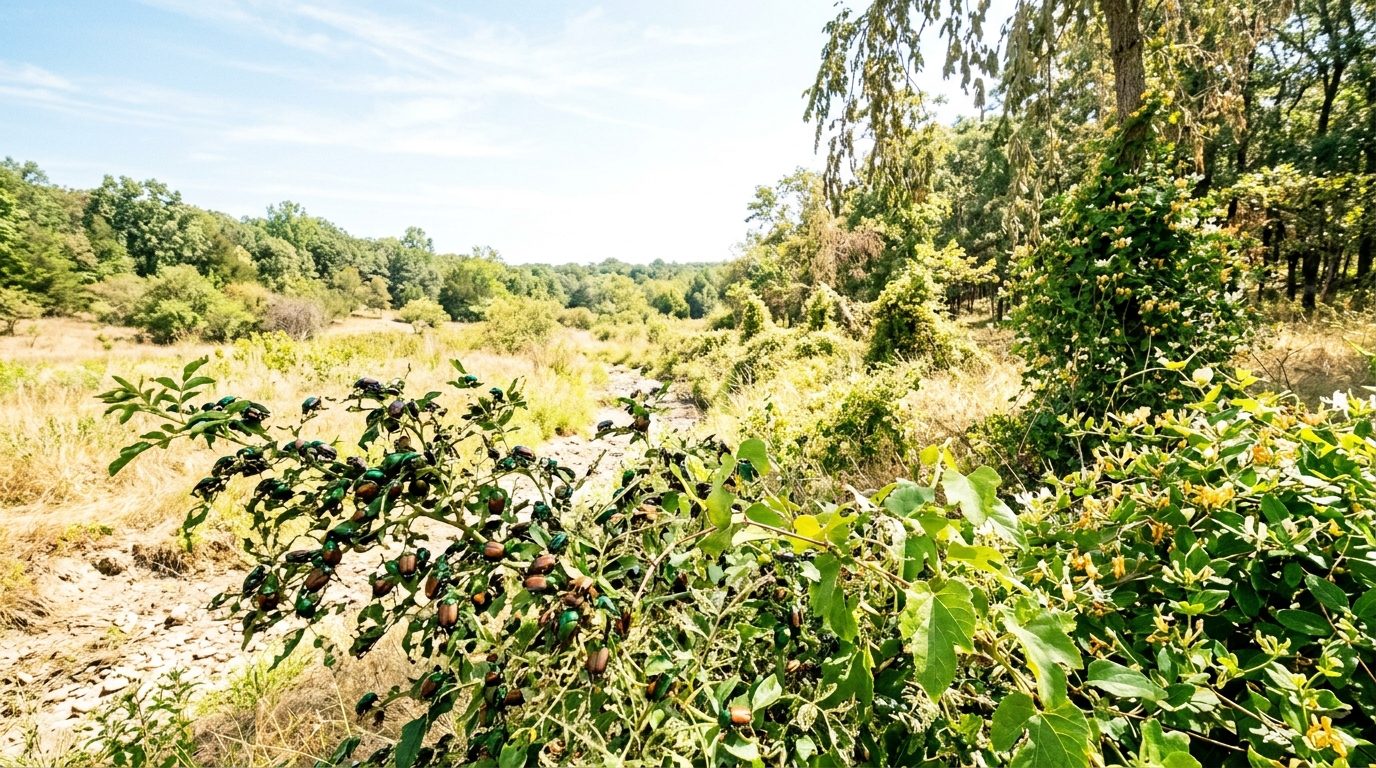
Climate change is helping invasive species spread across the continent and survive for longer periods, scientists warn. The shift could make established populations harder to control while exposing more communities and ecosystems to persistent threats.
Researchers say warmer conditions are changing the limits that once kept some nonnative species in check. Their message is direct: societies may need to prepare for a lasting problem rather than expect many invaders to disappear.
“Climate change is helping invasive species to not only establish themselves across the continent but to stay alive for longer.”
Warmer Conditions Remove Old Barriers
Invasive species are organisms introduced outside their native range that cause ecological, economic or social harm. Some arrive through trade and travel. Others escape from farms, gardens or private collections.
Climate has long acted as a barrier to their spread. Cold winters, short growing seasons and seasonal food shortages can prevent introduced organisms from reproducing or surviving.
As temperatures rise, some of those barriers weaken. Milder winters may allow more insects, plants, pathogens and animals to survive until spring. Longer warm seasons can also provide additional time to feed, reproduce and expand.
This does not mean every nonnative species will thrive. Rainfall, habitat, predators and access to food still shape survival. Some organisms may also lose suitable territory as heat, drought or extreme weather intensify.
Longer Survival Raises Control Costs
An invasive population becomes harder to remove after it spreads across a large area. Longer survival can give a species more chances to reproduce, making early detection more important.
The effects may reach farms, forests, waterways and cities. Invasive organisms can compete with native species, damage crops, carry disease or disrupt services that ecosystems provide.
Climate change can also make control plans less reliable. Agencies often schedule monitoring or treatment around predictable seasons. If an organism emerges earlier or remains active later, those programs may miss the best time to act.
Officials and land managers may need to adjust several parts of their response:
- Monitor high-risk areas for longer periods each year.
- Update forecasts as temperature and rainfall patterns change.
- Act quickly when a new population is still small.
- Coordinate reporting across regional and national borders.
Adaptation Does Not Mean Acceptance
The warning that people should “get used to it” reflects the likely persistence of the issue. It does not mean governments should stop prevention or control efforts.
Instead, the statement points to a shift in strategy. Complete eradication may remain possible for a newly detected species in a limited area. Once an invader is widespread, management may focus on protecting sensitive habitats and reducing damage.
Prevention remains less costly than managing a species after it becomes established. Inspection, public reporting and rules governing the movement of plants, animals and soil can lower the chance of new introductions.
A balanced response must also avoid treating every nonnative organism as harmful. Risk decisions should rest on evidence of damage, the likelihood of spread and the feasibility of control.
The central finding is that climate change can give harmful introduced species more territory and more time. Future policies will need to account for both pressures together. The next test will be whether monitoring systems and control programs can adjust as quickly as the organisms they target.

Rashan is a seasoned technology journalist and visionary leader serving as the Editor-in-Chief of DevX.com, a leading online publication focused on software development, programming languages, and emerging technologies. With his deep expertise in the tech industry and her passion for empowering developers, Rashan has transformed DevX.com into a vibrant hub of knowledge and innovation. Reach out to Rashan at [email protected]